What to ask on your first model railway club visit
Find out how a club works before joining. A task-focused set of questions about access, standards and participation.
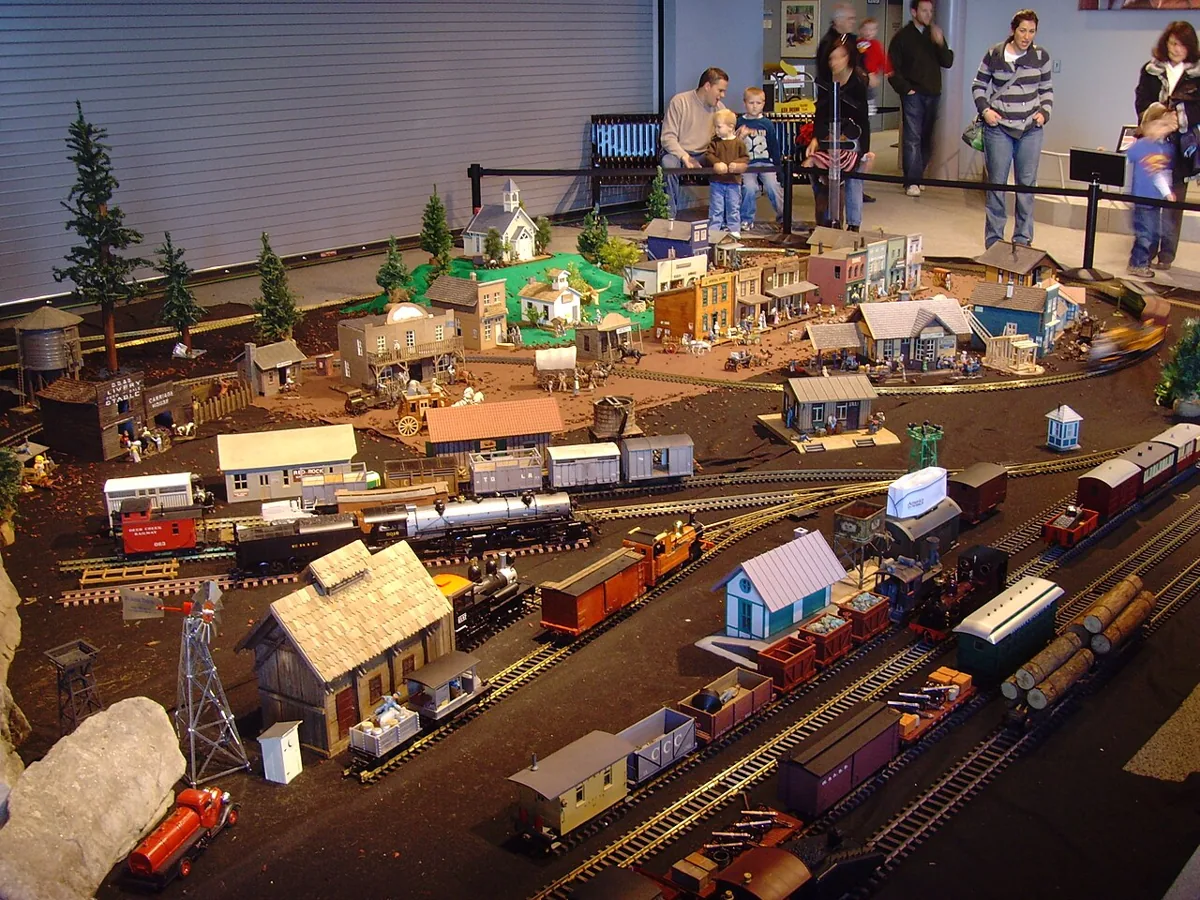
A club visit is a chance to discover how people practise the hobby together, not merely whether the layout looks impressive. The most useful questions concern participation: what newcomers can do, how shared equipment is used and which commitments belong to membership. A good match depends on those ordinary activities as much as on the scale of the railway.
The NMRA introduction discusses learning through groups, its module guide distinguishes different shared arrangements, and its operations guide explains the coordination involved in running with others. The questions below form a visit worksheet. They are suggestions for inquiry, not claims about the policies or character of any particular club.
Explain what you hope to learn
Tell the host about the part of the hobby that interests you and your current experience. You do not need to pretend greater knowledge to ask a useful question. A clear description helps the club point you towards relevant activities and explains why you are asking about particular scales, techniques or sessions.
Ask how visits are arranged and follow the group's current process. Do not infer unrestricted access from a publicly listed address or a photograph of an open day. Keep logistics and any access needs explicit so both you and the host understand the purpose and limits of the visit.
Ask what an ordinary meeting contains
Find out whether members mainly operate, build, maintain, discuss projects or prepare exhibitions during the sessions you could attend. A club can do several of these things on different days. The question is which activities would actually be available to you.
Ask how a newcomer becomes involved. Is observation followed by mentoring, a small shared task or a defined introduction to controls? The NMRA operations guide emphasises guidance for visiting crews. Do not assume that experience on another railway removes the need to learn this group's equipment, place names and working conventions.
Understand the shared railway
Ask whether the layout is permanent, sectional or modular, and what those terms mean in this group. The NMRA module introduction distinguishes interchangeable interfaces from sections designed for particular positions. A casual use of the word modular may not tell you which arrangement is actually being built.
If contributing a section interests you, ask for the current written requirements before buying materials. Identify who clarifies technical questions and approves exceptions. A verbal assurance that your scale matches is not enough to define the whole interface. Keep mechanical, track, control and scenic requirements separate in your notes.
Clarify equipment use
Ask which models may be brought to a session, what checks or preparation the group requires and where personal equipment is stored. Find out whether members use shared stock, their own models or both. Record the actual policy rather than assuming a familiar practice applies everywhere.
Treat loan and handling questions respectfully. Do not lift or operate another person's model without permission. If a member demonstrates a technique, preserve its context and seek the relevant instructions before applying it independently. Club advice is valuable, but a brief conversation does not replace product-specific documentation or appropriate competence for technical work.
Discuss commitments plainly
Ask about fees, attendance expectations, exhibition work and any other obligations relevant to membership. Obtain current information directly from the group instead of relying on an old event listing. This article supplies no price estimate or universal claim about what membership should include.
Consider the time you can realistically contribute. A group focused on frequent exhibition travel may be a good match for one modeller and difficult for another. State your constraints without treating them as criticism of the club. The purpose is an informed fit between real participation and real expectations, not a verdict about which style of club is best.
Observe how questions are handled
Notice whether instructions are clear, whether responsibilities are understandable and how members support unfamiliar tasks. These observations can help you judge your comfort with the setting. Keep them specific rather than turning a short visit into a sweeping claim about the entire organisation.
A busy session may not allow every question to be answered immediately. Ask whether there is a suitable later time or document. Preserve an unresolved field in your worksheet when needed. A candid statement that an answer requires checking can be more useful than an instant assurance with no clear basis.
Make a personal comparison
After the visit, write what you could realistically do at the next few meetings, what you would need to learn and which questions remain open. Compare those opportunities with the interests described at the start. Separate the pleasure of seeing a large layout from the experience of participating in its upkeep and operation.
You may choose to join, visit again or keep looking. Any can be a sensible outcome. A useful first visit leaves you with an accurate picture of the group's actual activities and your possible place within them. That understanding supports a more durable connection than joining solely because the display was impressive on the day you happened to see it.
Take it to the workbench
A field sheet for this article. Use your browser’s print command or copy the headings into your project notebook. Keep facts, observations and open questions distinct.
| Interest and availability | Your notes |
|---|---|
| Ordinary meeting activities | Your notes |
| Current interface requirements | Your notes |
| Equipment-use rules | Your notes |
| Membership commitments to confirm | Your notes |
Participation before membership
Hypothetical worked example. A fictional visitor likes the layout but can attend only the evening used for maintenance. Ask what beginner tasks are available then, rather than inferring regular operation from an open-day display. A second visit may answer the participation question better than the first impression.
This is an editorial exercise, not a report of a physical test.
Sources & further reading
- National Model Railroad Association — Getting Started
- National Model Railroad Association — Introduction to Layout Modules
- National Model Railroad Association — Operations
Sources support the factual background. Worksheets and hypothetical exercises are editorial proposals, not reports of tests performed by this publication. Consult the relevant current product documentation before applying product-specific advice.