
Small worlds.
Considered craft.
A journal for people who see a whole world in a length of track.
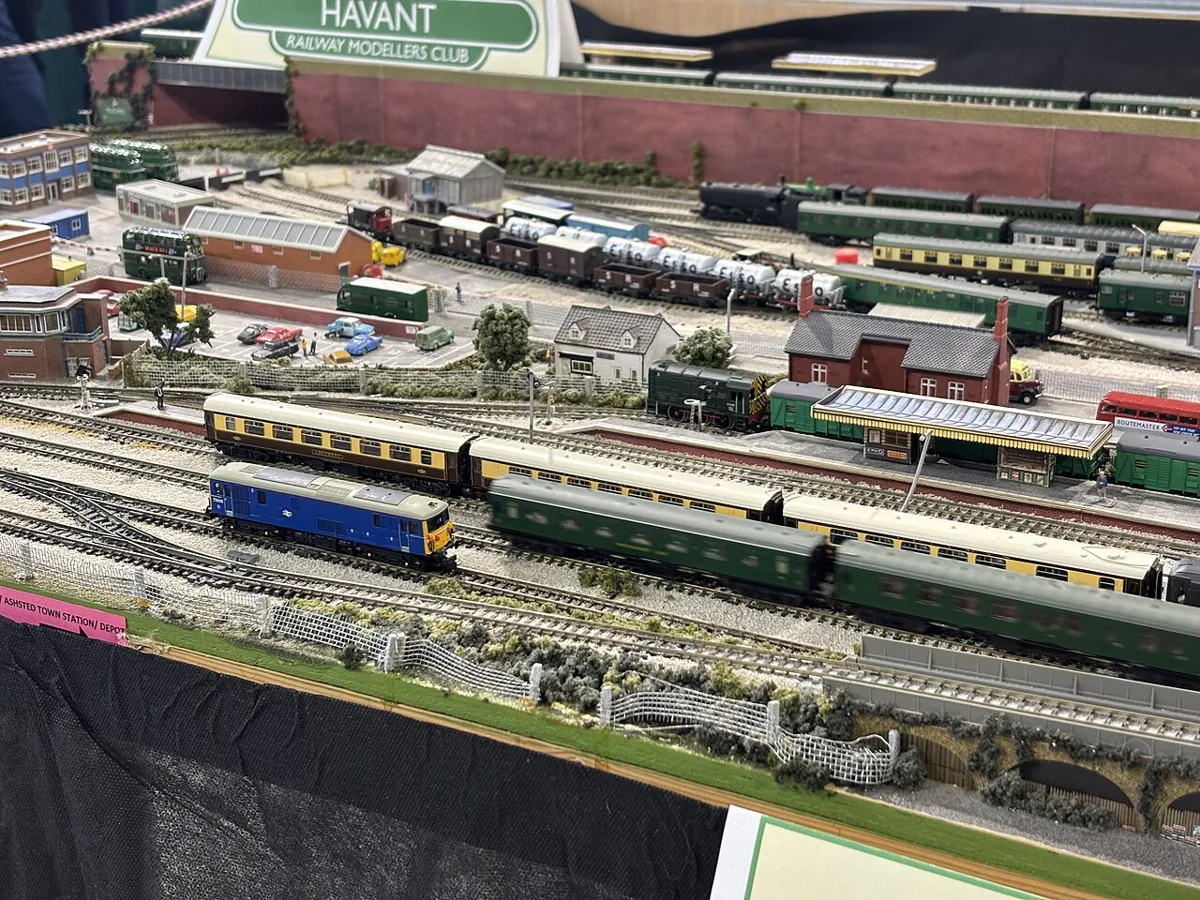
Write a layout brief before drawing track
Turn a vague layout idea into an achievable brief.
4 min read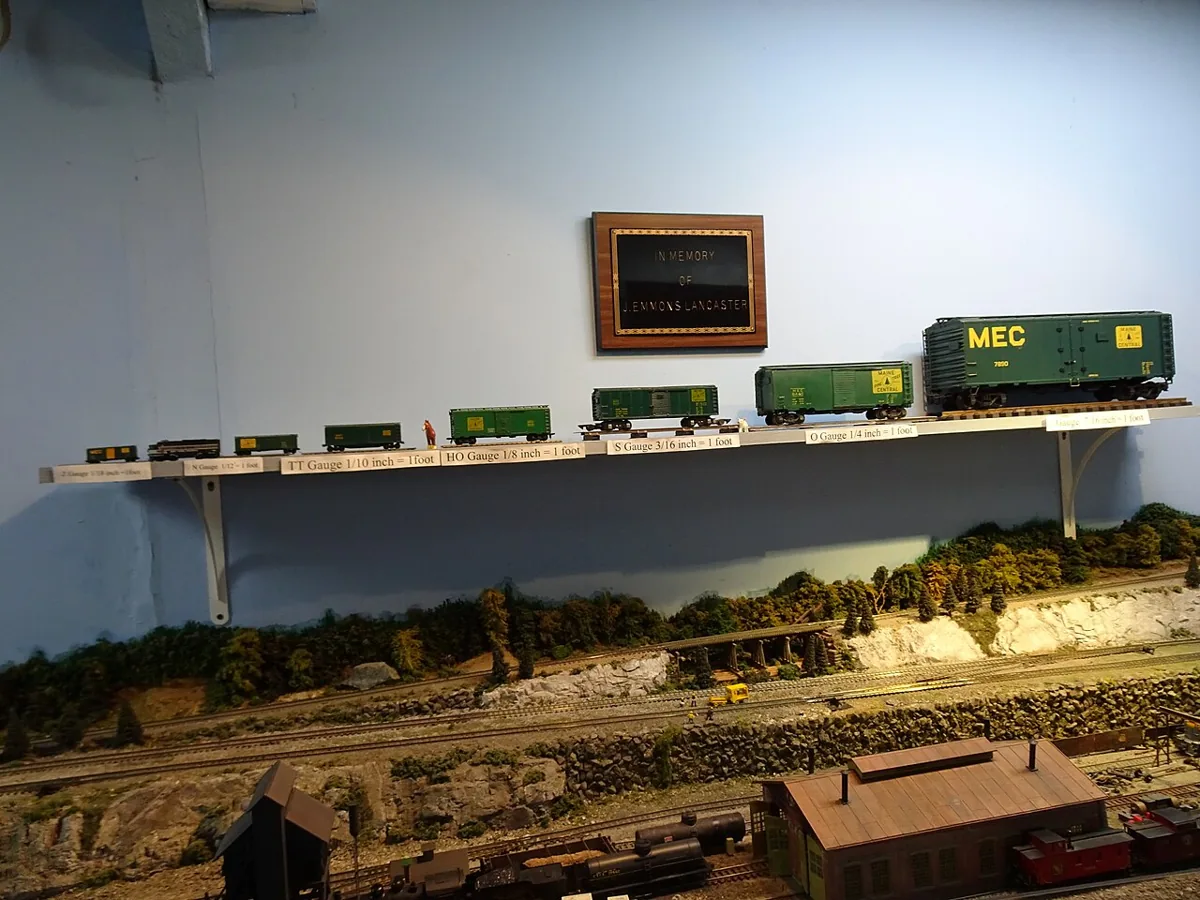
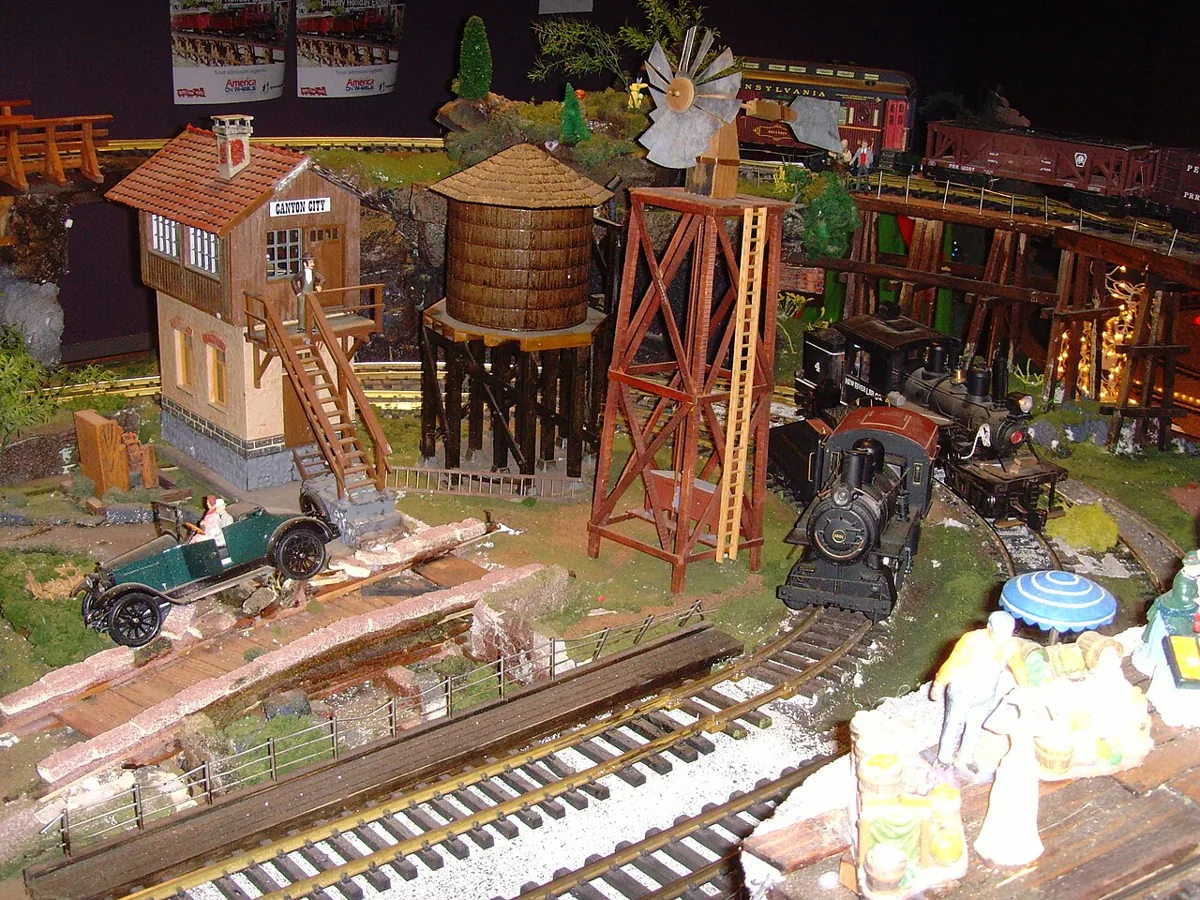
What are you working on?
Follow a first-layout route or take a specific problem to the workbench.
Find your next project
Browse all 45 articlesFive parts of the hobby, with practical questions to carry to your workbench.
Layout Craft
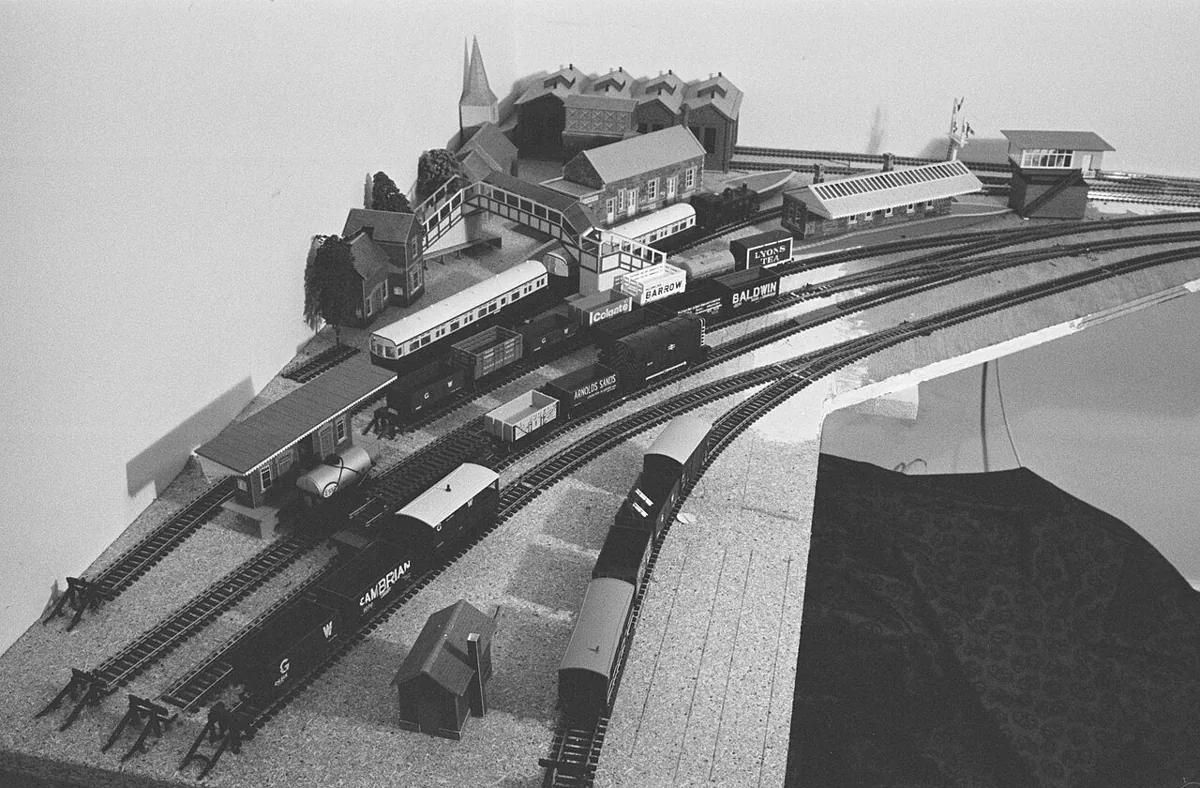
Design the railway around the way you want to use it. Space, access and satisfying train movements come first.
Explore this section
Scale & Standards
Understand the dimensions, conventions and interfaces behind a railway that fits together.
Explore this section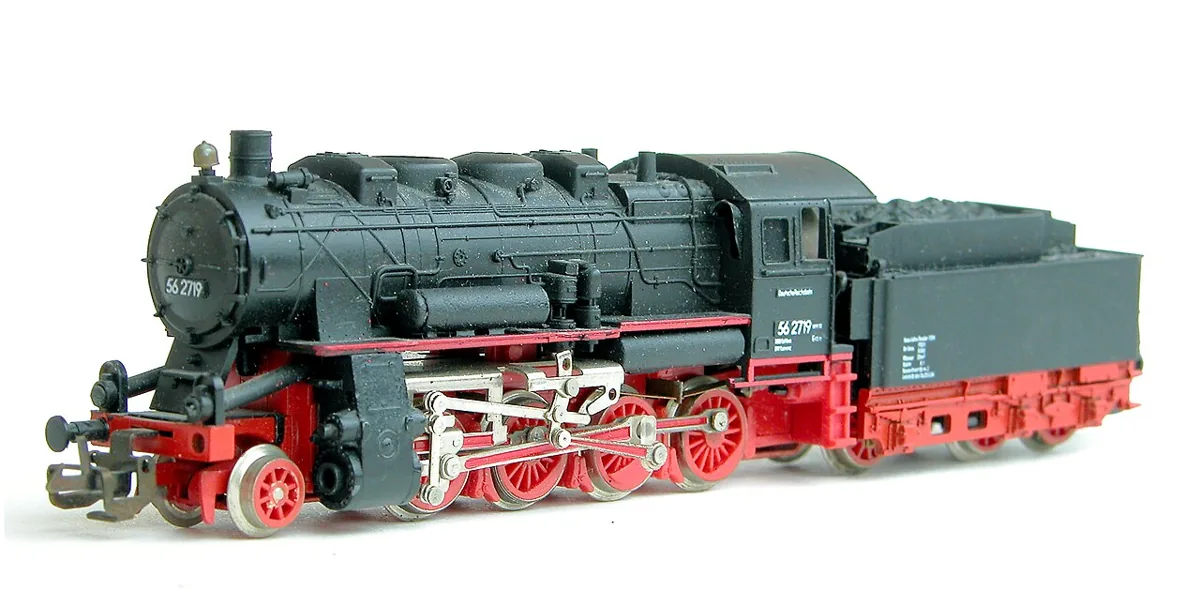
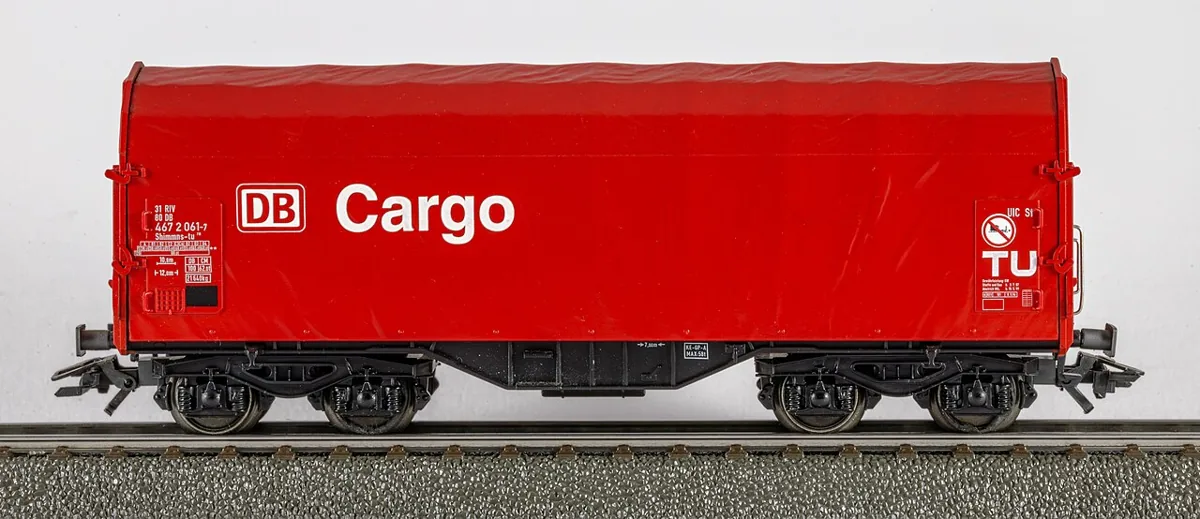
Rolling Stock
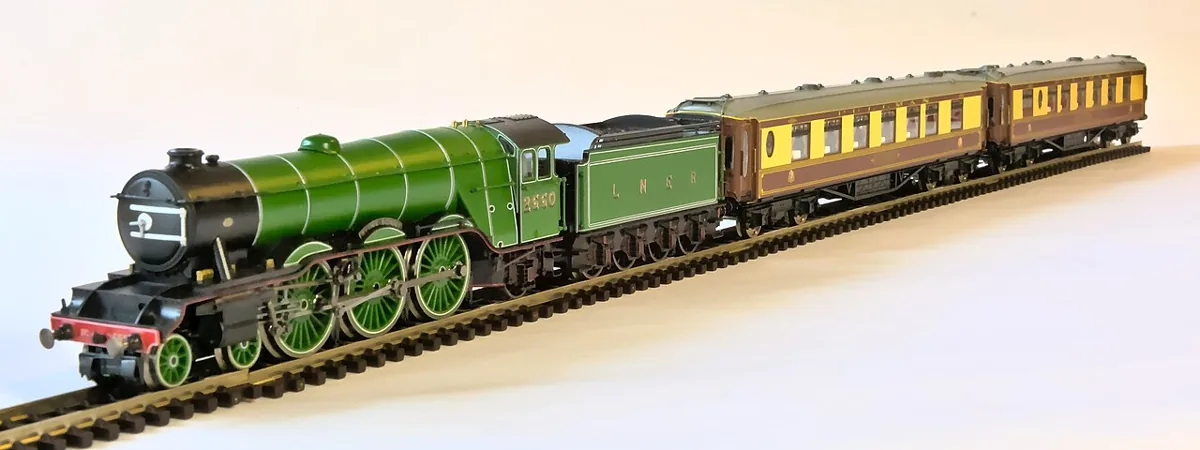
Look closely at vehicles, give the collection a purpose, and keep useful records of what changes.
Explore this section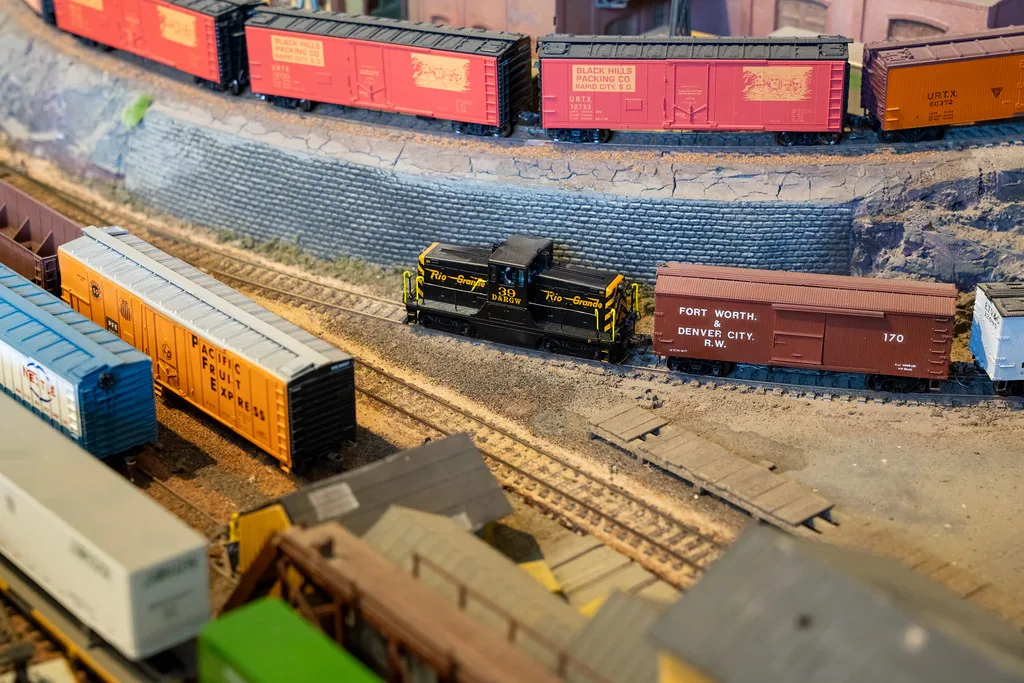
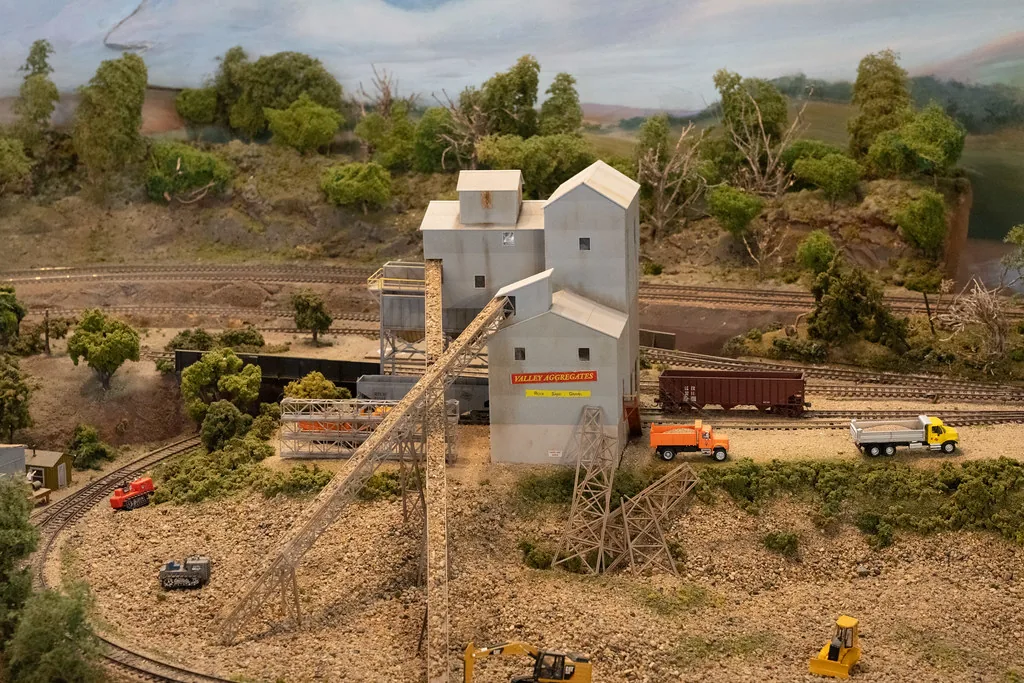
Scenery Workshop
Build a convincing setting through observation, deliberate composition and small, recorded experiments.
Explore this section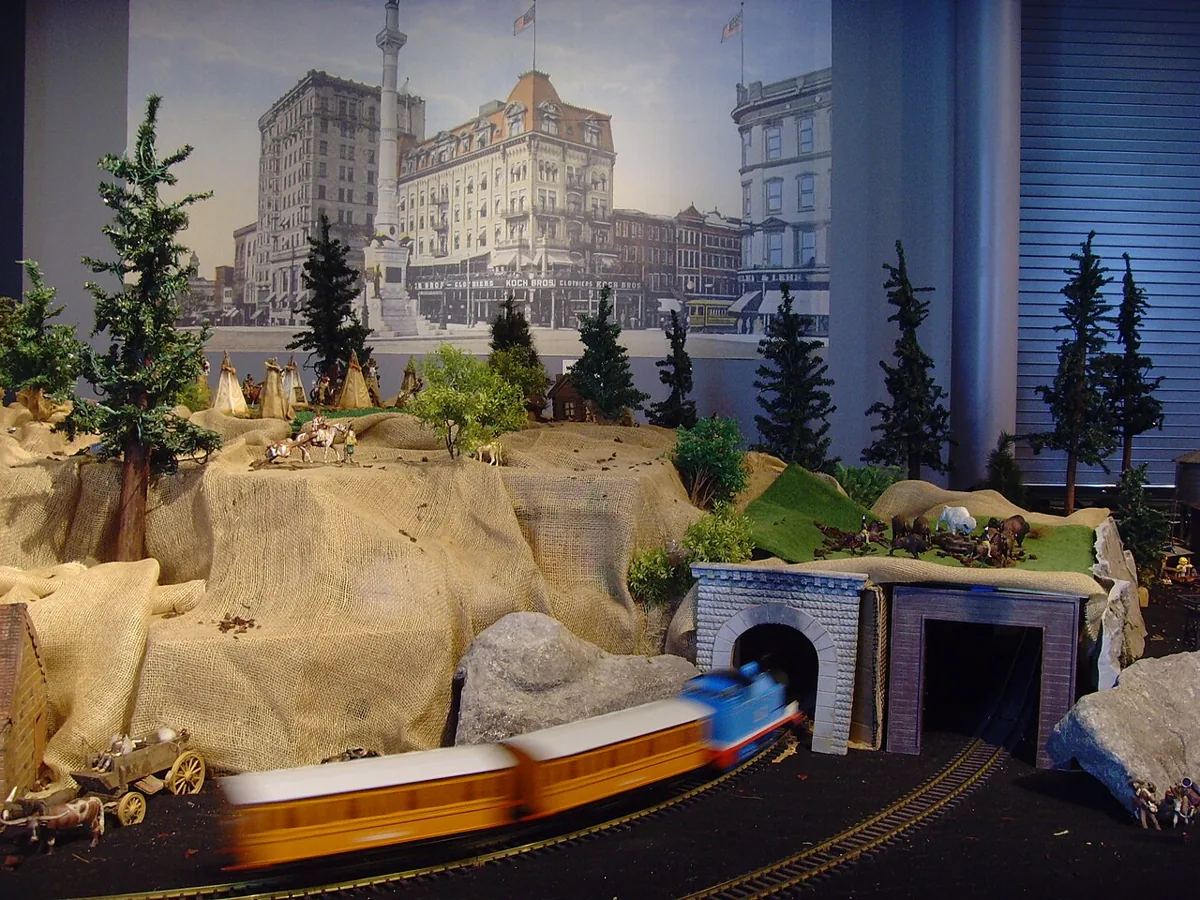
Club & Collection
Share the hobby, organise the evidence and leave a collection that someone else can understand.
Explore this section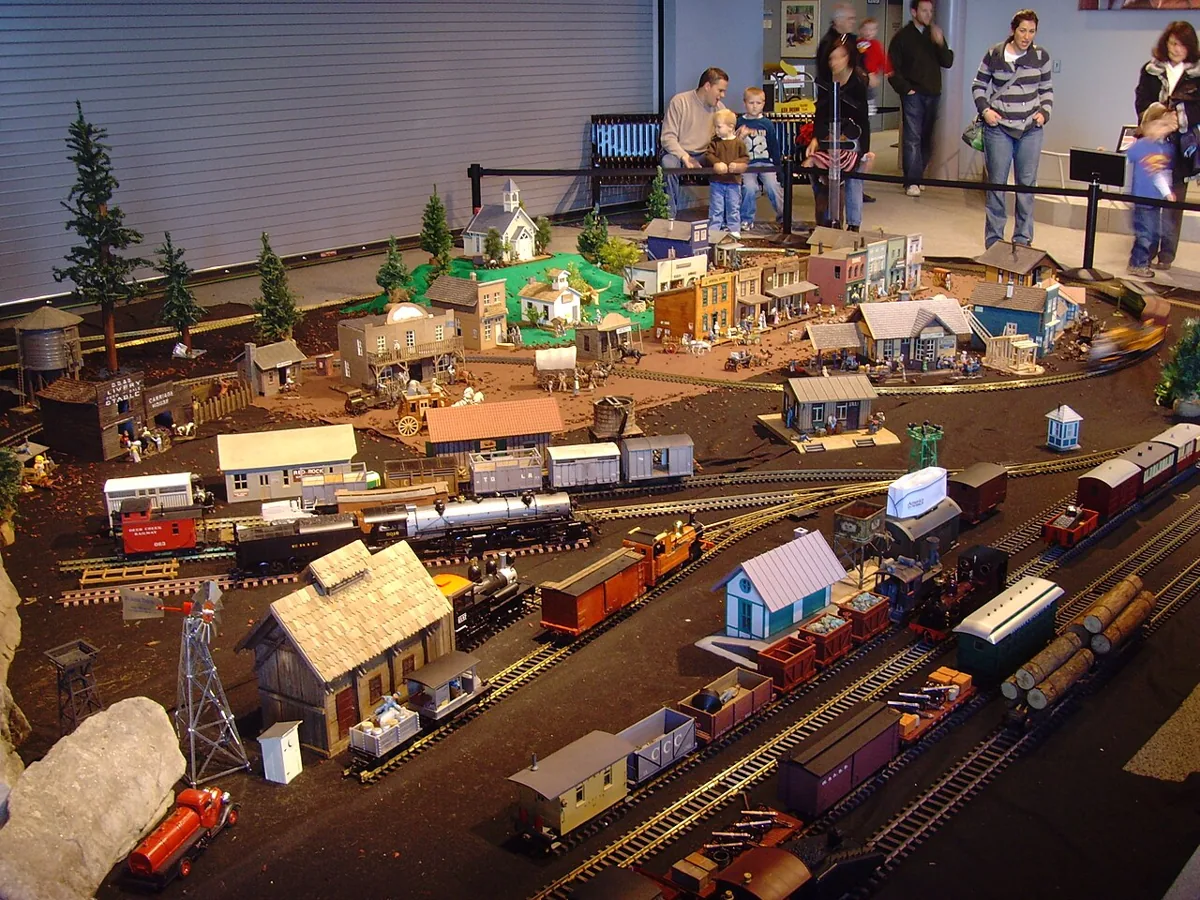
A route through the journal
Read in order when a project needs more than a single answer.
Your first layout
Resolve the purpose before you commit to a footprint. Then check the curves and leave somewhere for trains to go.
A scene with a sense of place
Work from one clear focal point to believable connections and a palette you can repeat.
A collection others can understand
Record what you have, photograph useful evidence and leave decisions legible for the next person.
Before the next piece of track
A short planning pause can make the next step easier to explain, test and revise. Use these prompts as a starting point, alongside current product instructions.
- Space and access
- Can you reach every place that may need attention? Record the access space as well as the railway footprint. Read the guide
- Scale and clearances
- Keep real-world dimensions, model dimensions and the clearance needed by moving vehicles distinct. Read the guide
- Vehicles and purpose
- Choose the traffic your railway will represent before deciding which vehicles belong together. Read the guide
- Materials and sequence
- List what must remain accessible before scenery covers it. Try unfamiliar materials on a separate sample first. Read the guide
- Evidence and records
- Keep the source, date and unresolved question beside each decision so you can revisit it later. Read the guide
Follow the reasoning, check the sources.
Articles link their factual references and separate practical suggestions from established requirements. Worksheets help you record decisions; labelled hypothetical examples show how to use them without claiming a physical test.
Photographs retain their creators’ individual licences. A citation helps you find evidence; it does not grant permission to reproduce it.