
The journal
Ideas to understand, decisions to make, and details worth a closer look.
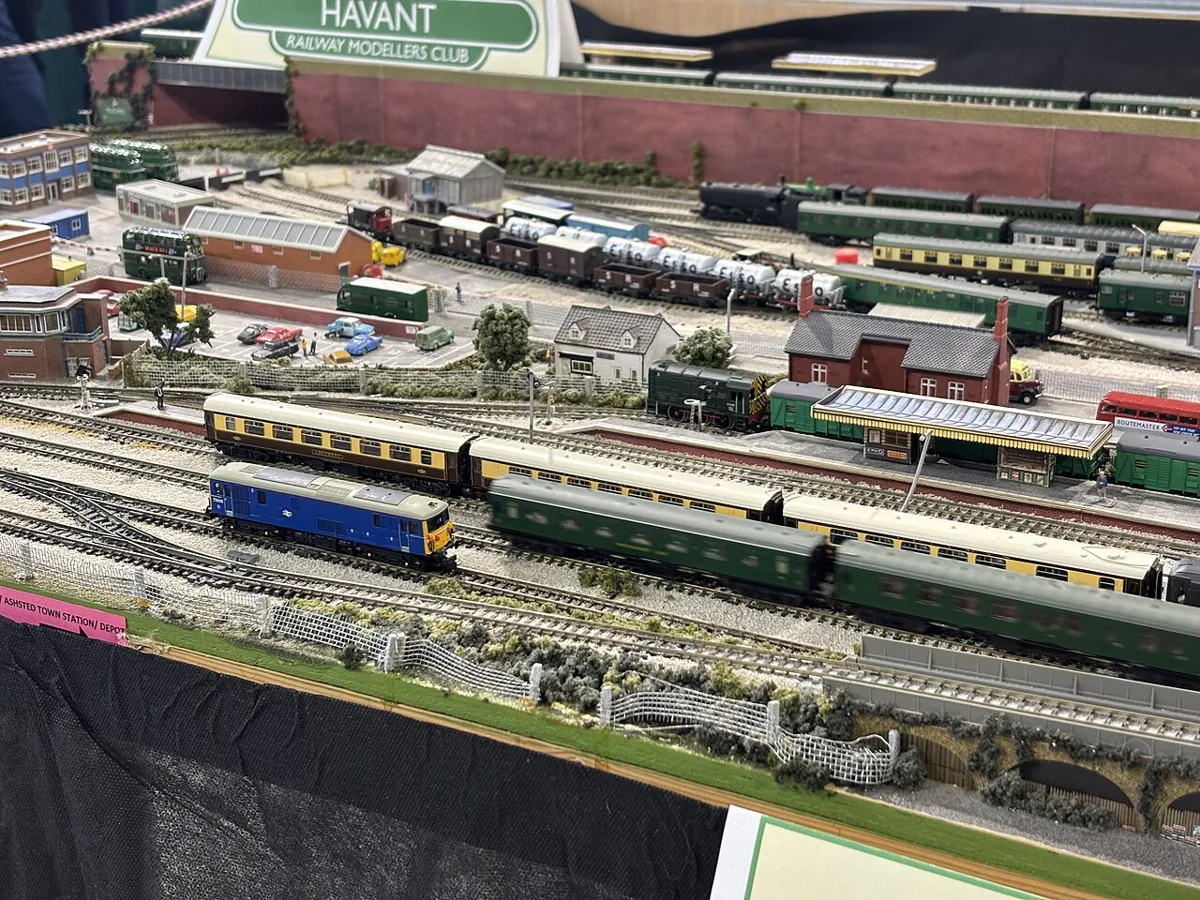
Write a layout brief before drawing track
Turn a vague layout idea into an achievable brief.
4 min read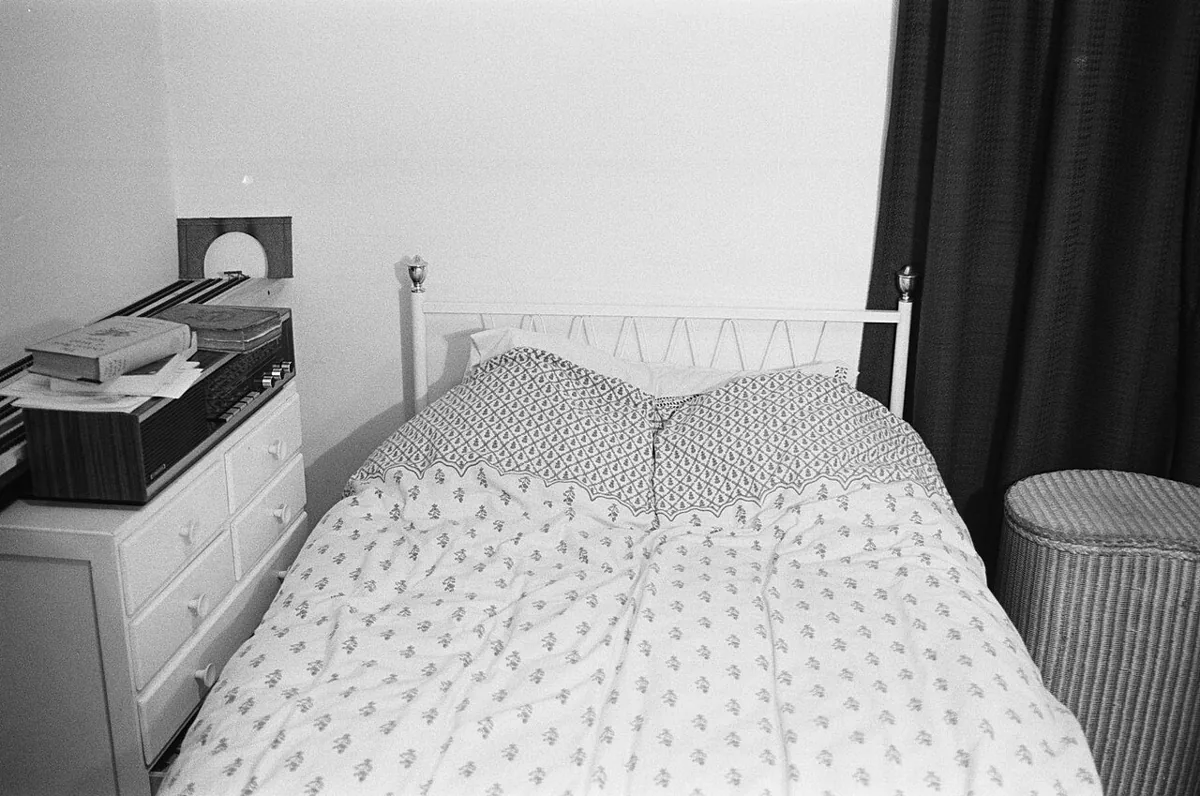
Shelf or island: choose a layout that fits the room
Choose a footprint without losing access.
4 min read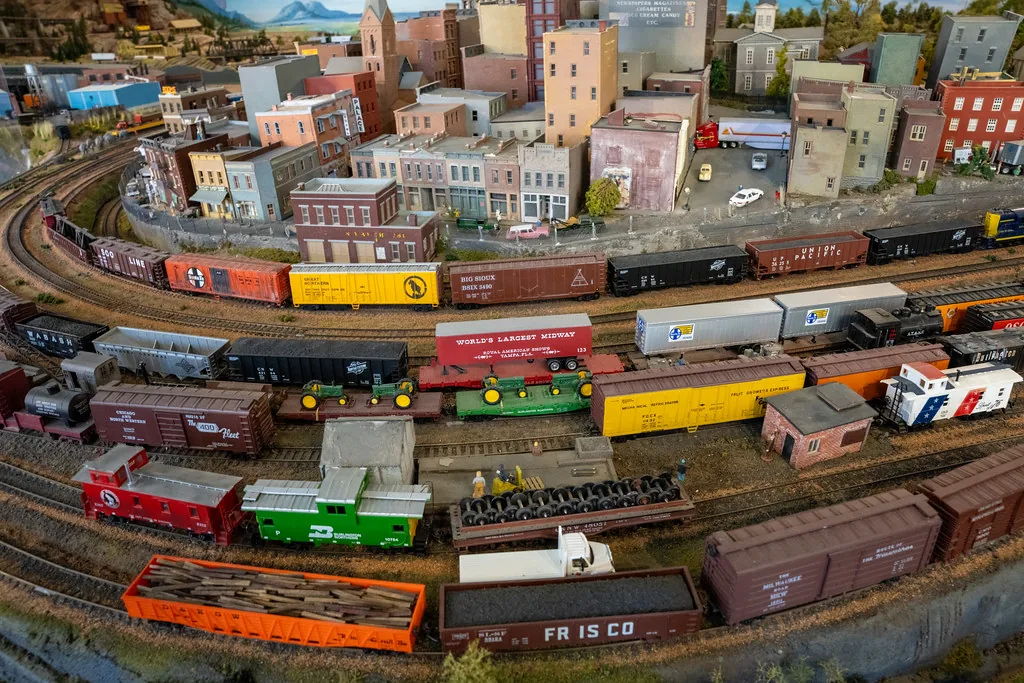
Continuous running or switching: what do you want to do?
Choose the kind of operating session to support.
4 min read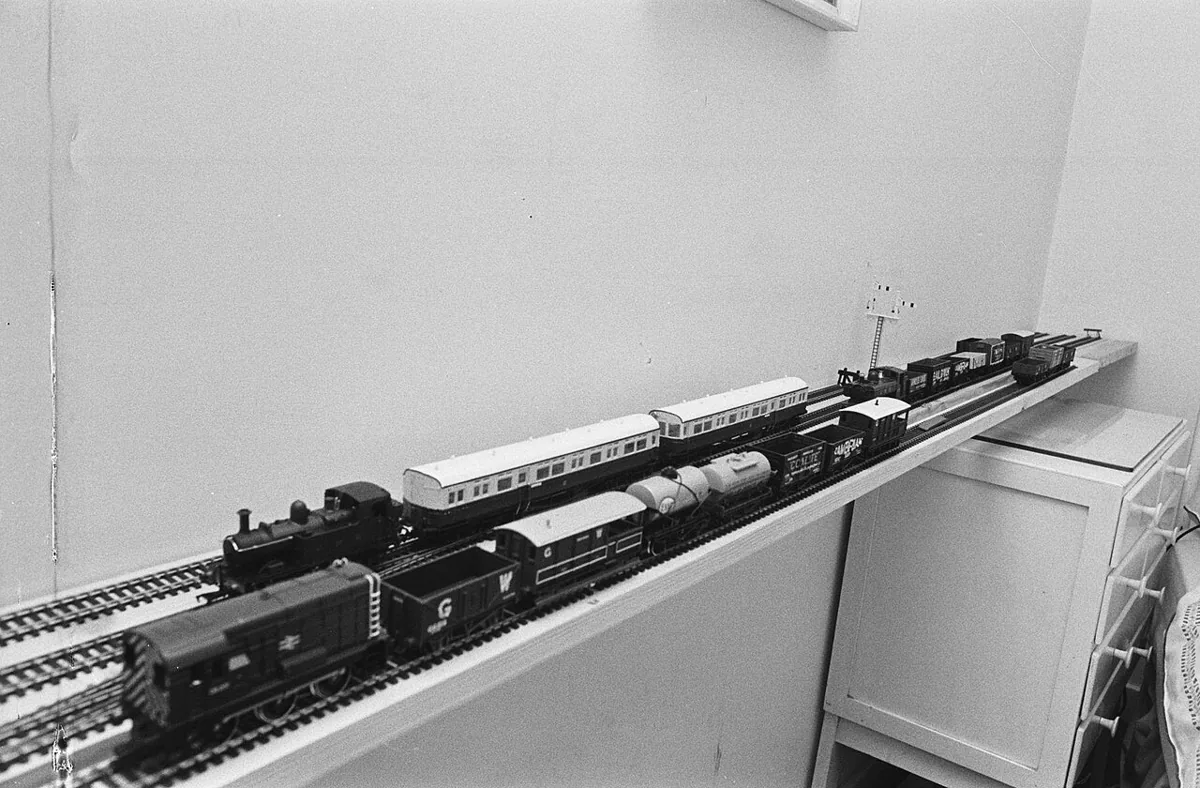
Give the rest of the railway somewhere to go
Plan off-scene train storage.
4 min read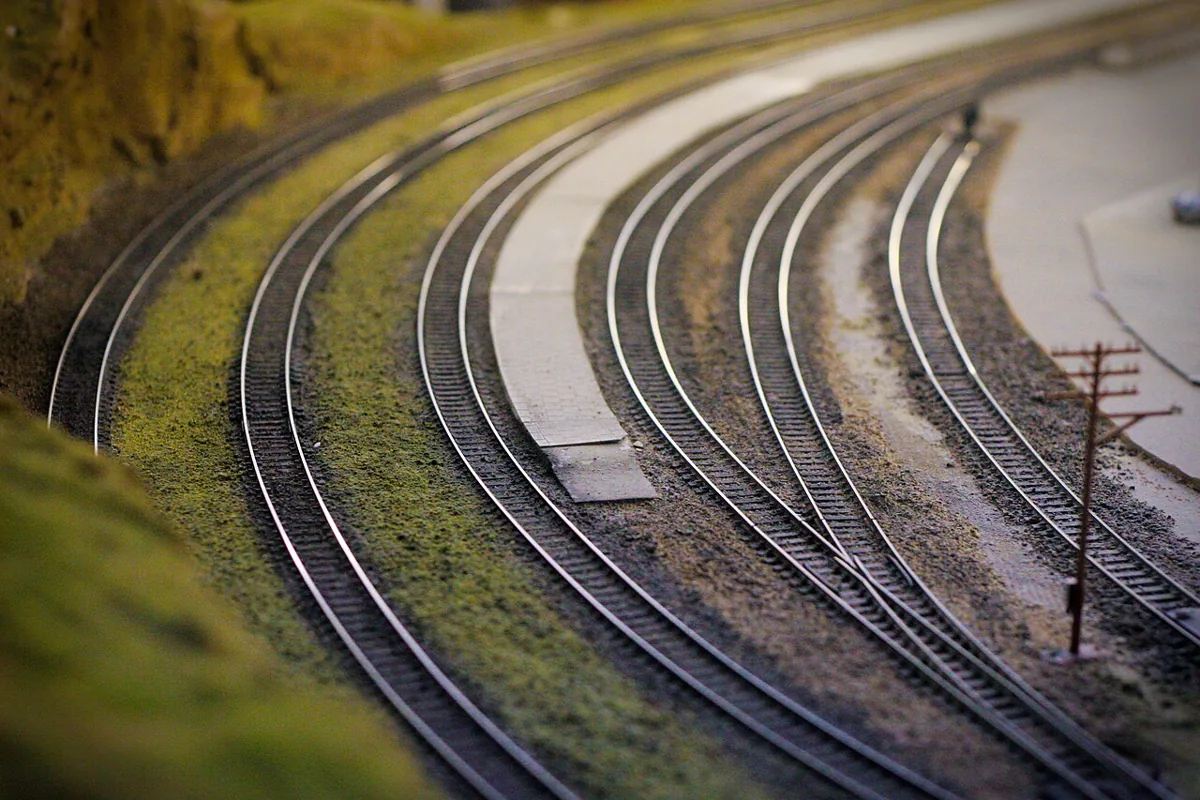
Plan the curves before the station
Avoid drawing track that cannot fit.
4 min read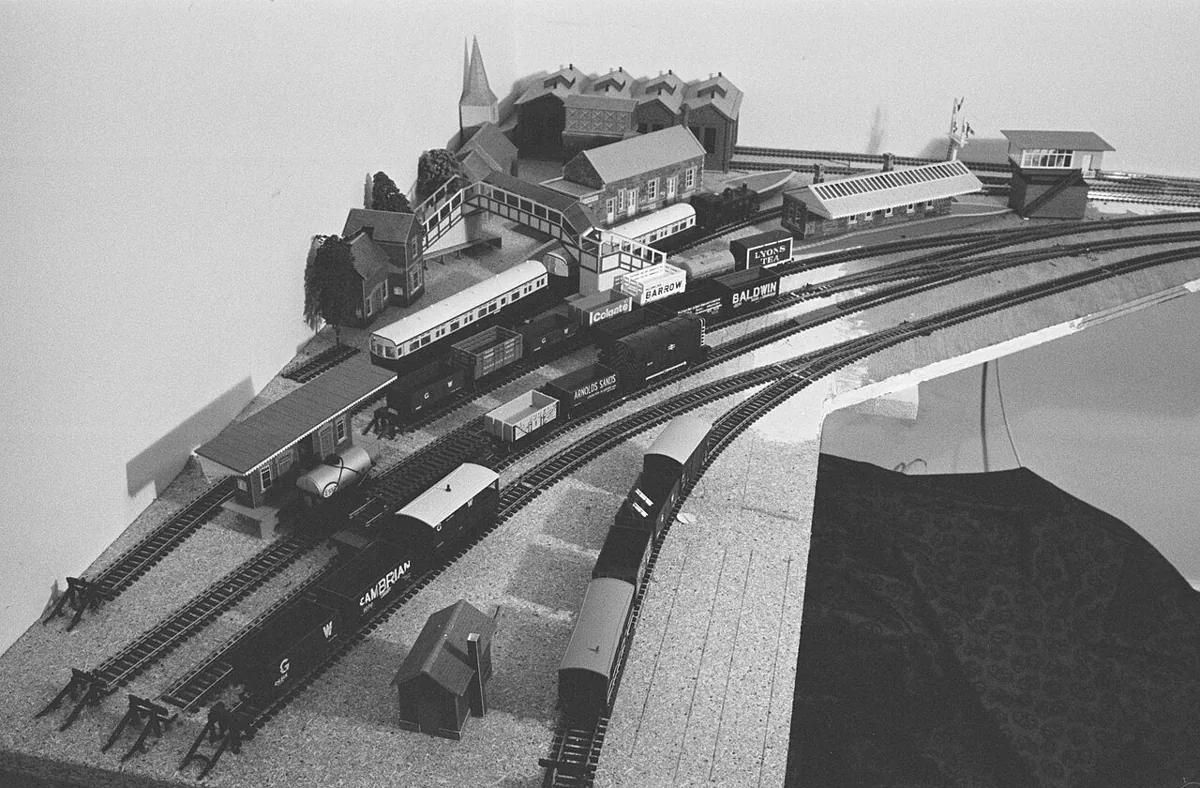
The track you cannot reach is part of the design
Locate maintenance access before adding scenery.
4 min read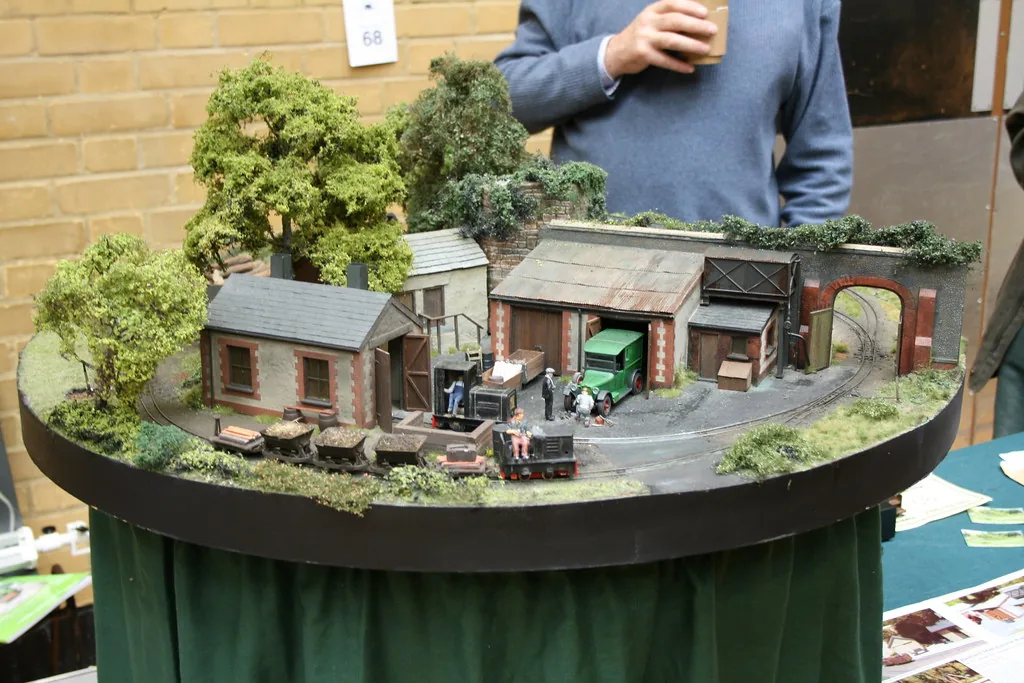
Design a layout for the journey out of the room
Decide transport boundaries before construction.
4 min read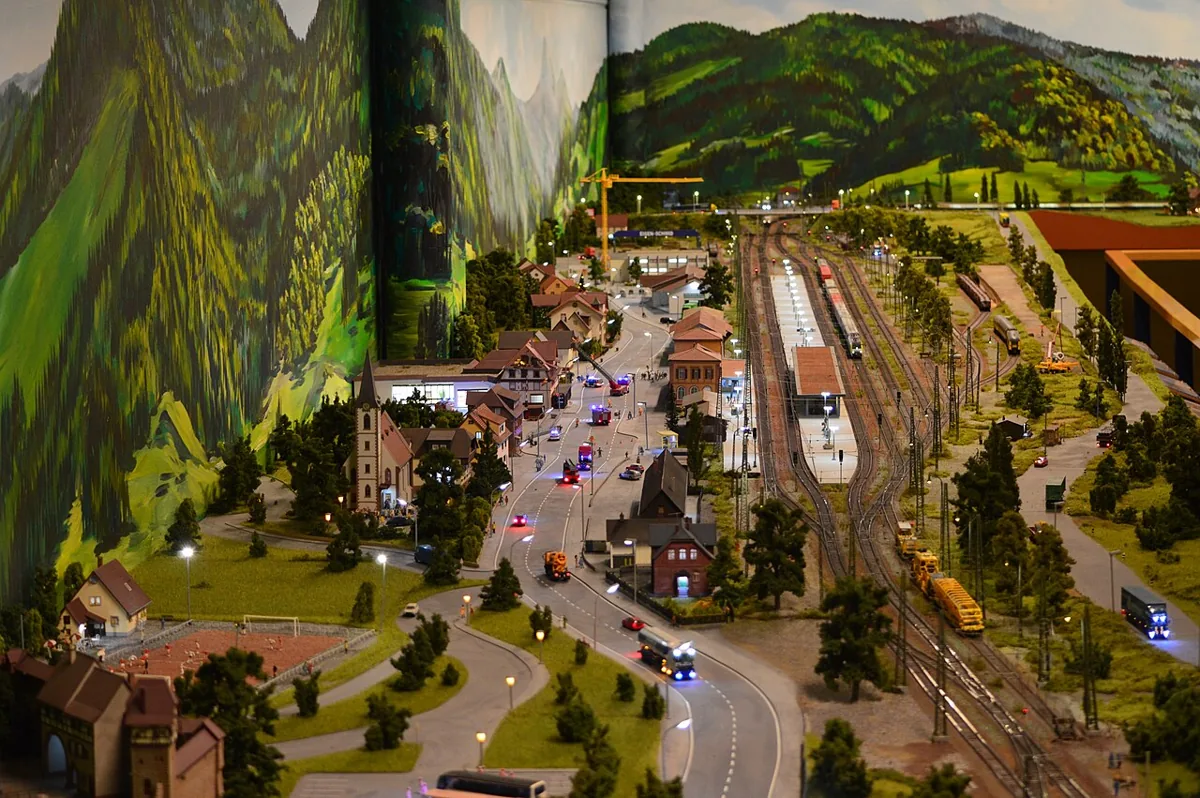
A station needs more than a platform
Allocate station space with buildings and circulation.
4 min read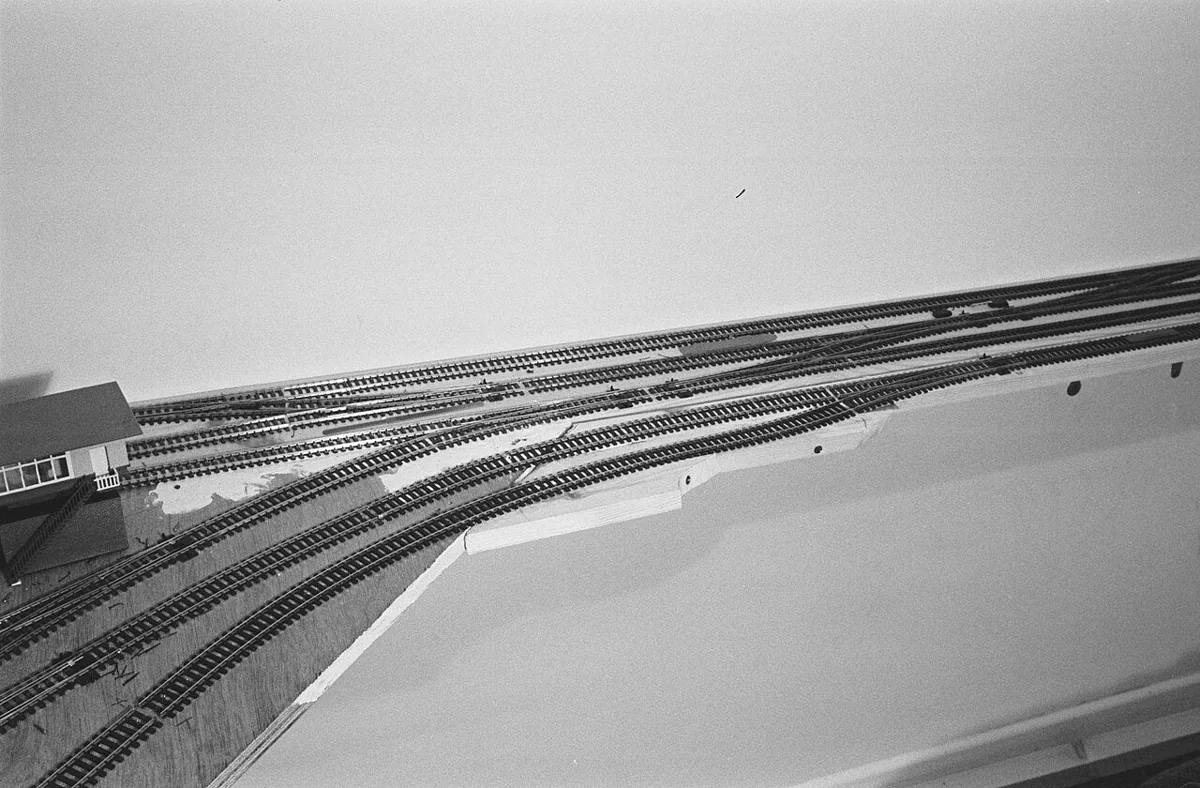
Build a useful first stage, not half a whole railway
Phase a layout so each stage can be used.
4 min read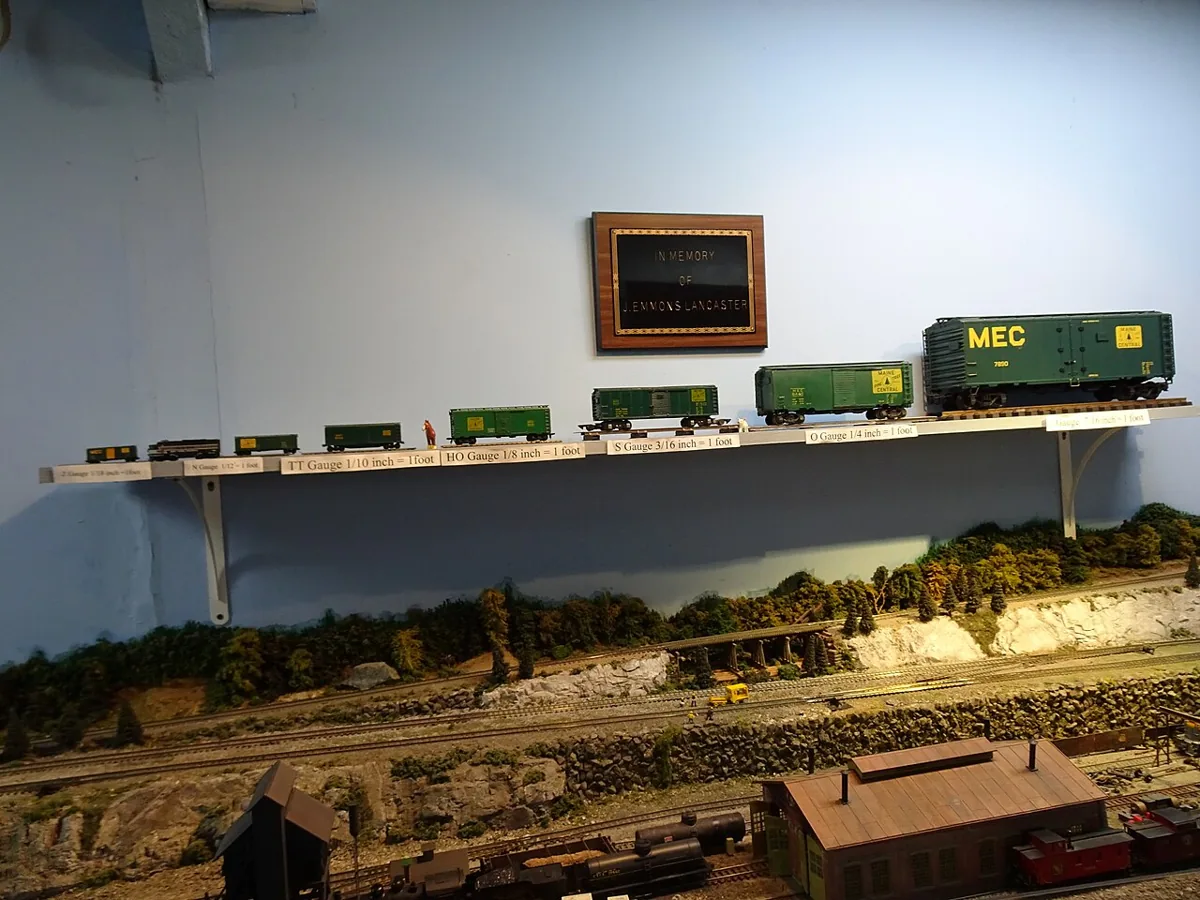
Scale and gauge answer different questions
Read the two measures without confusing them.
4 min read
Choose a scale by the work you enjoy
Compare scales against tasks rather than popularity.
4 min read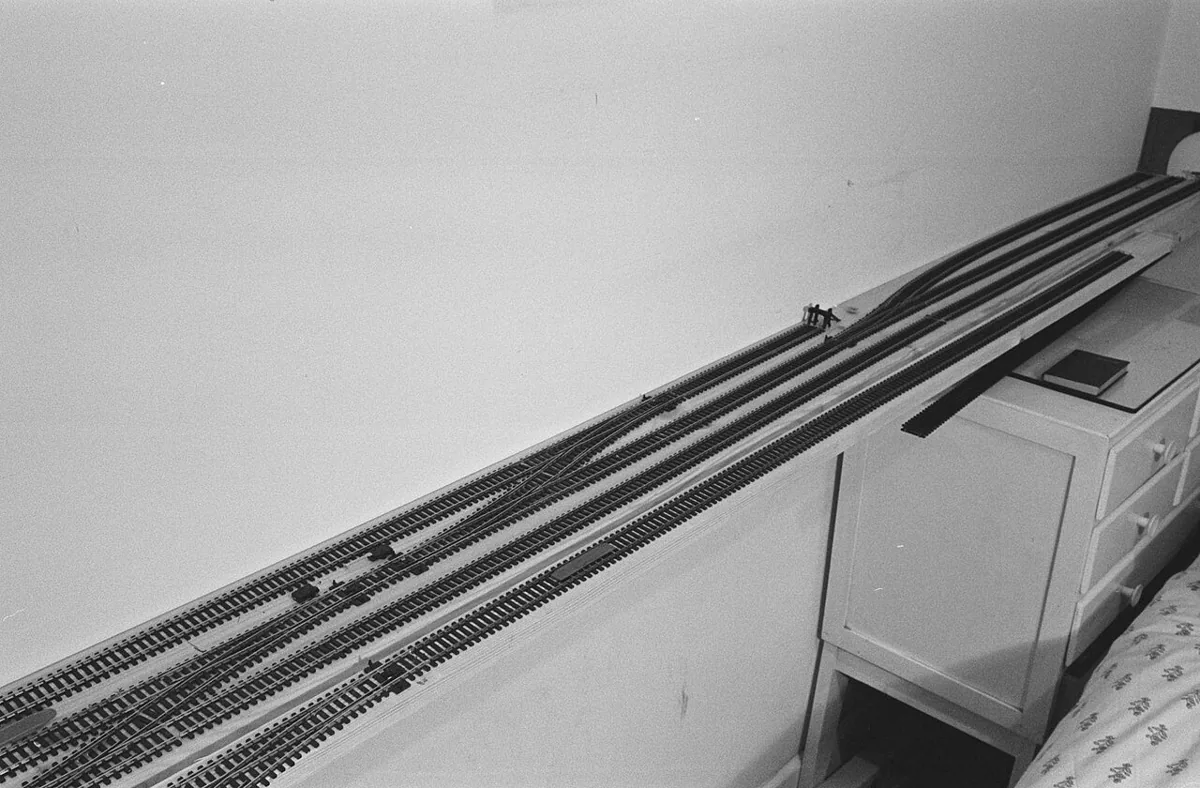
How to read a model railway standard
Find the applicable document and distinguish advice from requirements.
4 min read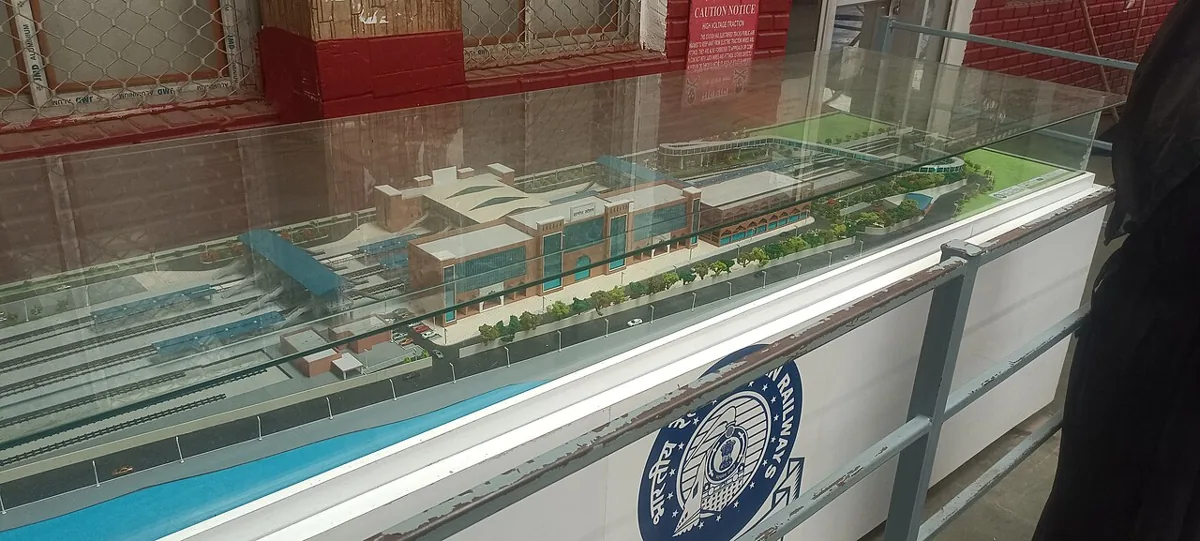
From full size to model size without guessing
Convert prototype dimensions consistently.
4 min read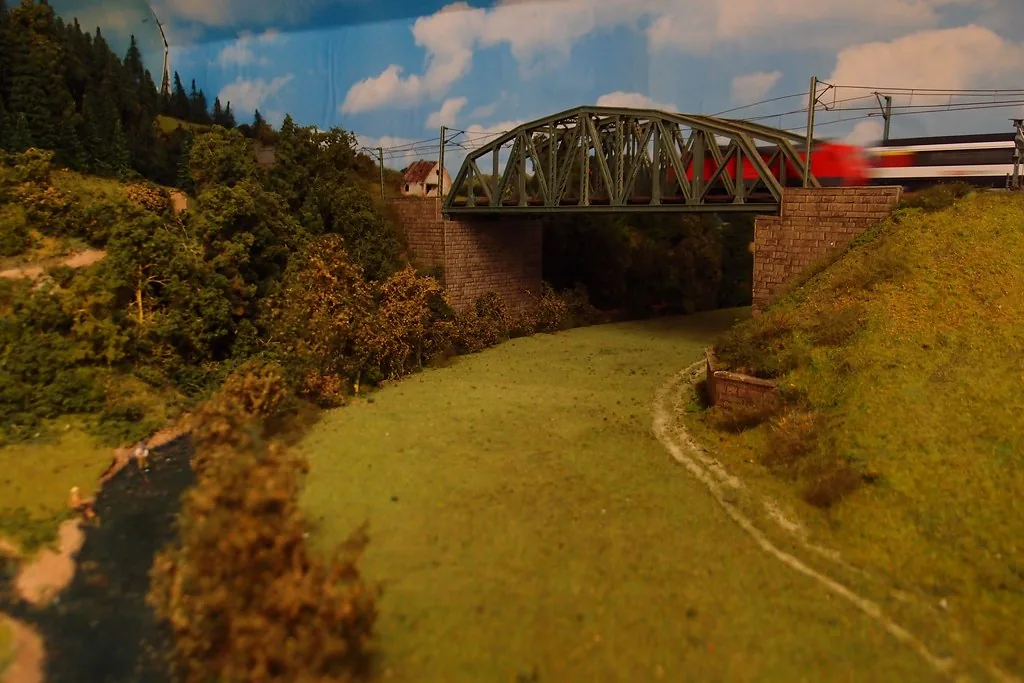
The space around a train matters too
Understand why body clearance exceeds track gauge.
4 min read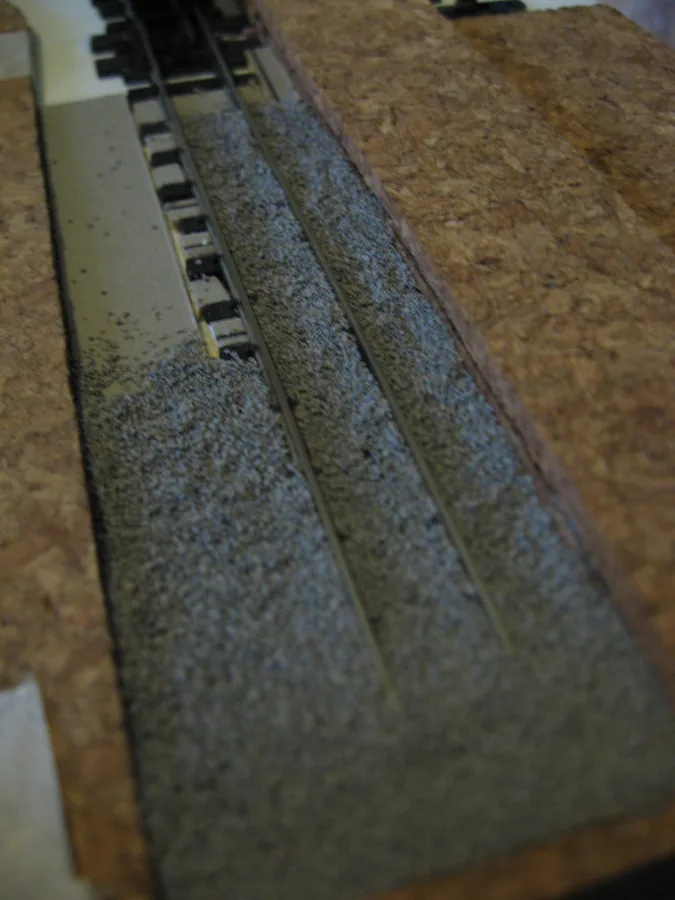
Track code is a height, not a scale
Understand rail code when combining track.
4 min read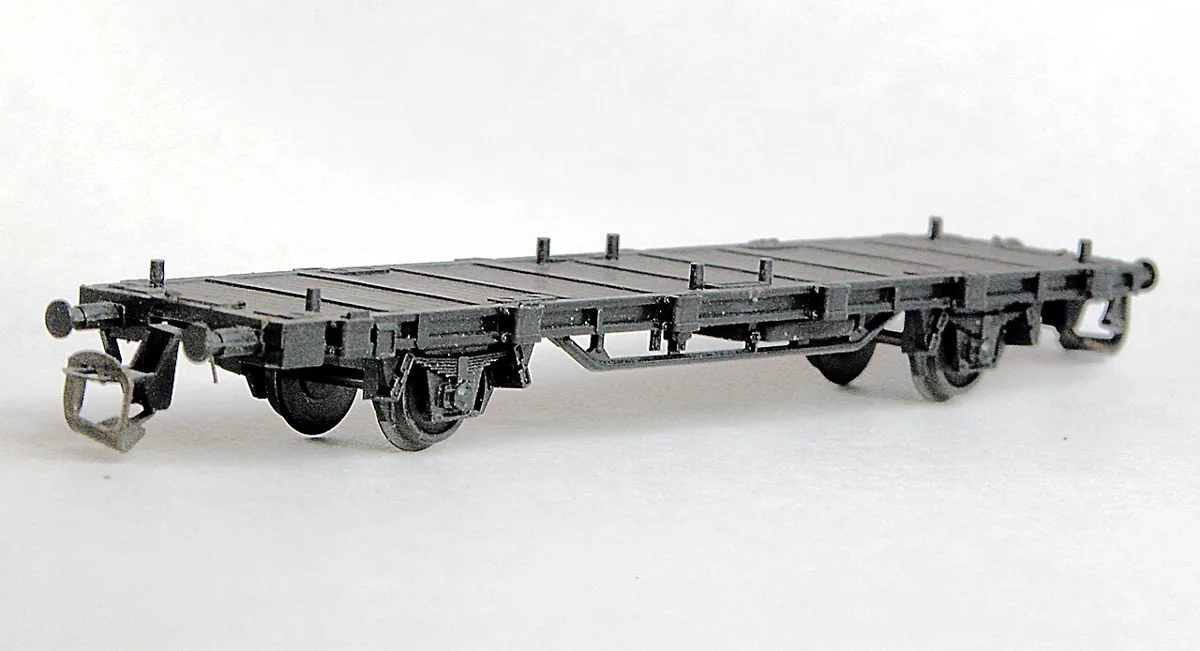
A wheel check before a track rebuild
Triage vehicle-specific derailments without prescribing blind adjustments.
4 min read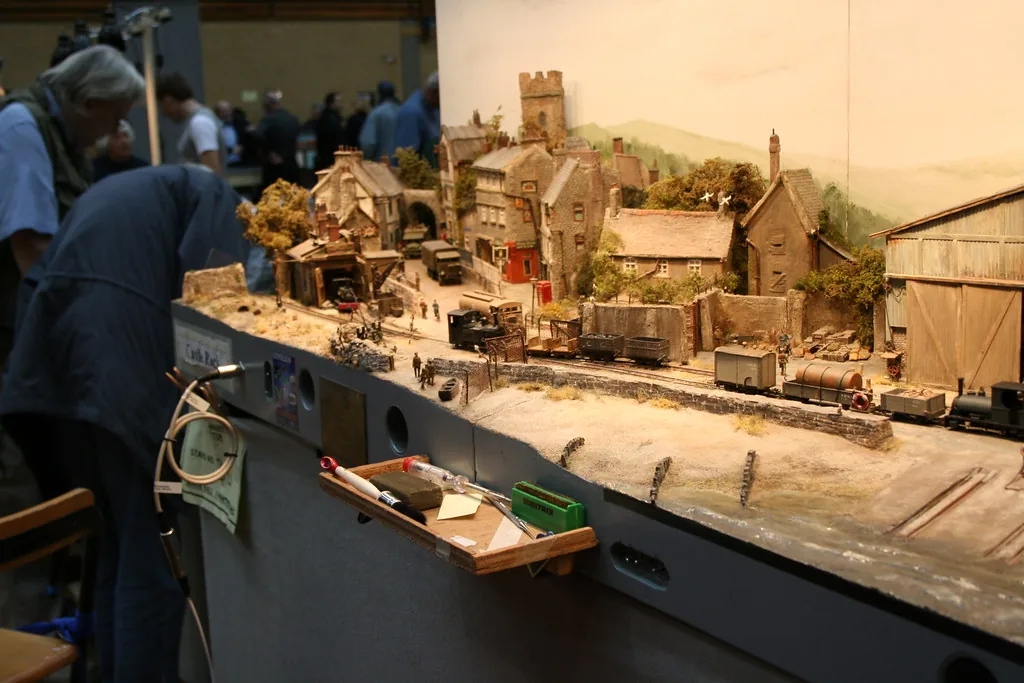
A module joins more than two pieces of wood
Define a club interface before building a module.
4 min read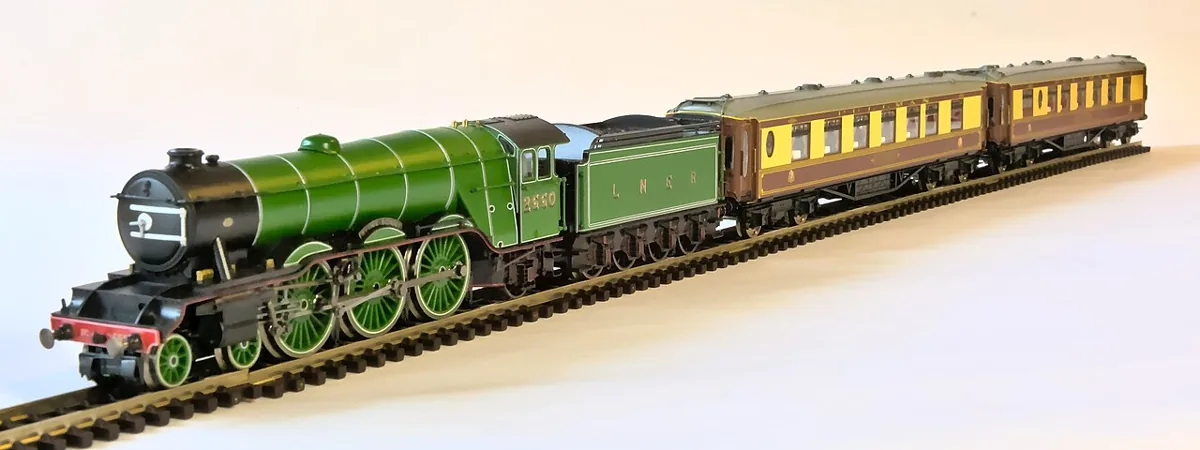
Make a compatibility card before buying rolling stock
Record what a model must match.
4 min read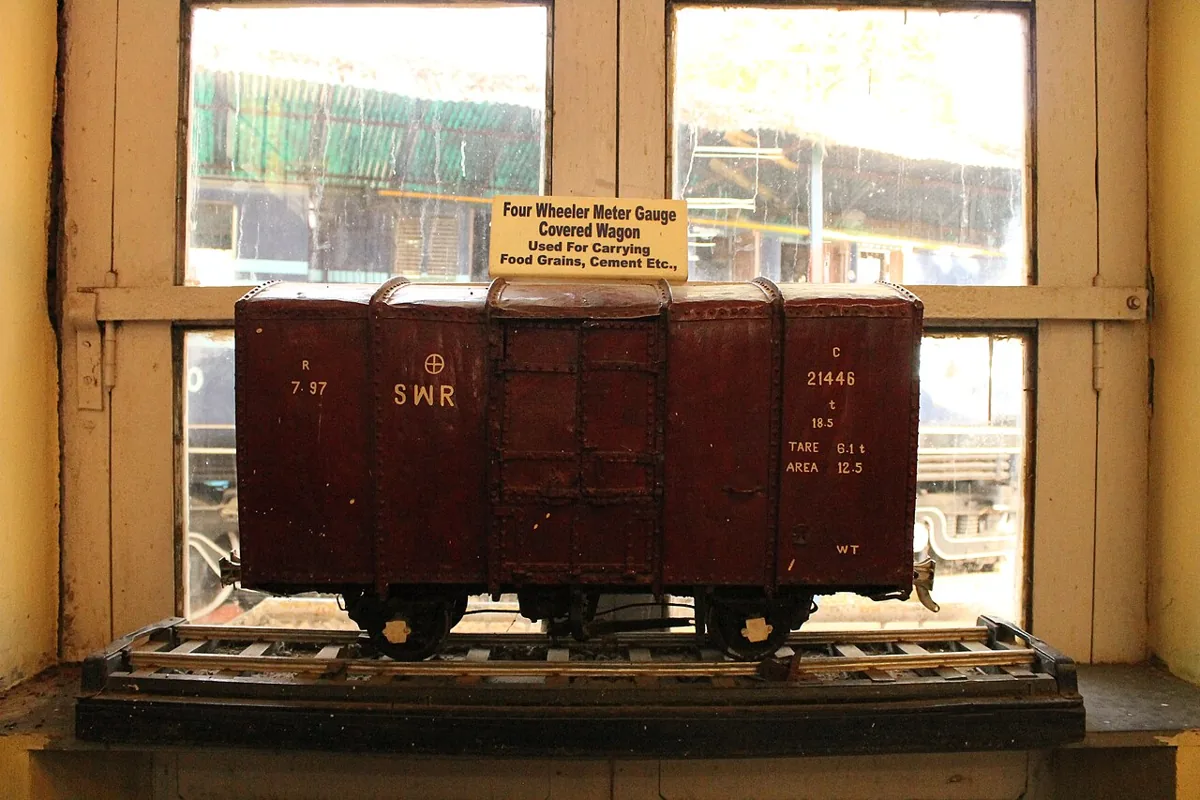
Learn to read a railway vehicle as a model
Observe function before adding detail.
4 min read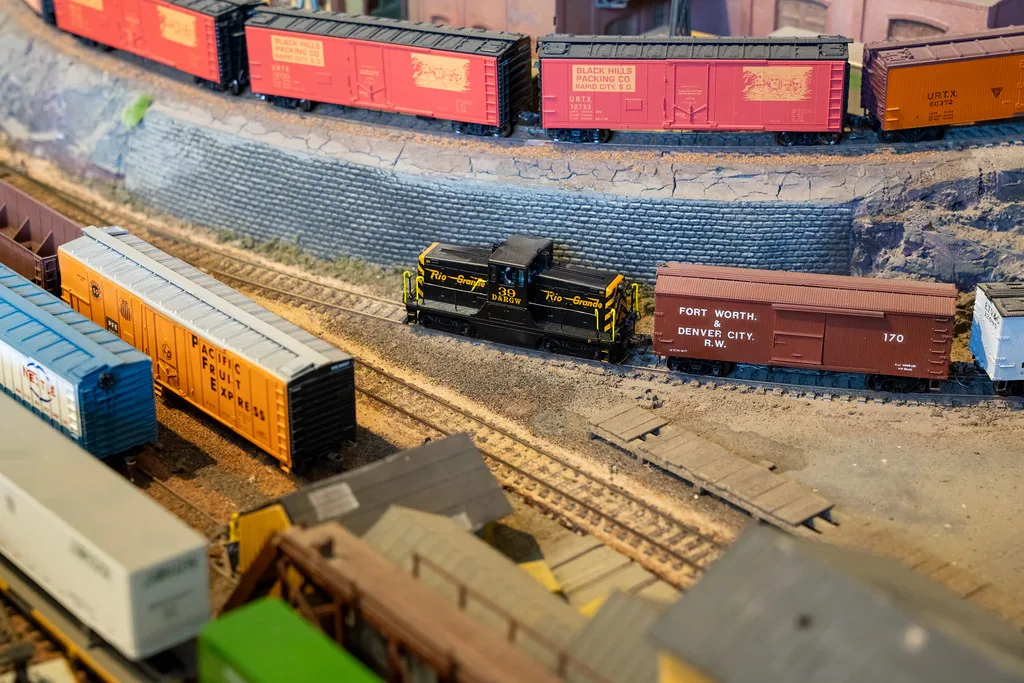
Build a roster that has a job to do
Choose vehicles for an operating concept.
4 min read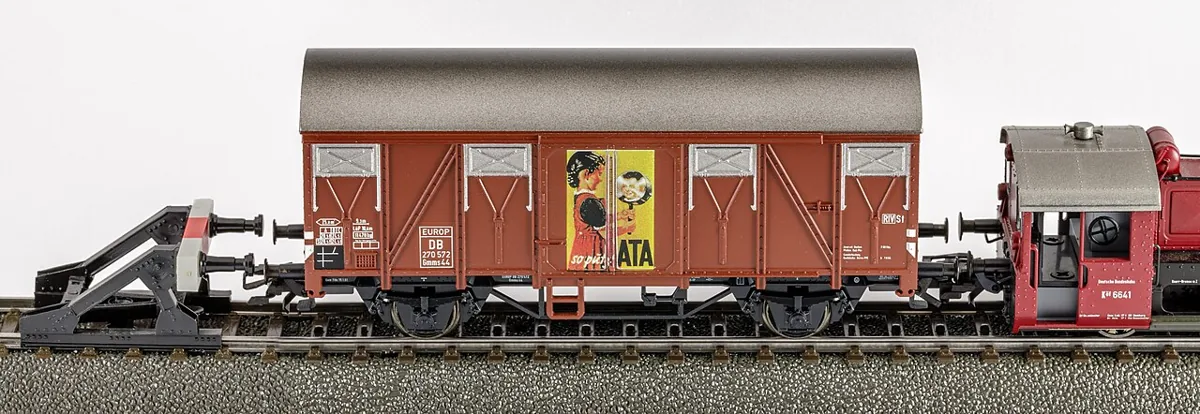
Match a freight car to the place it serves
Link model industries to believable traffic.
4 min read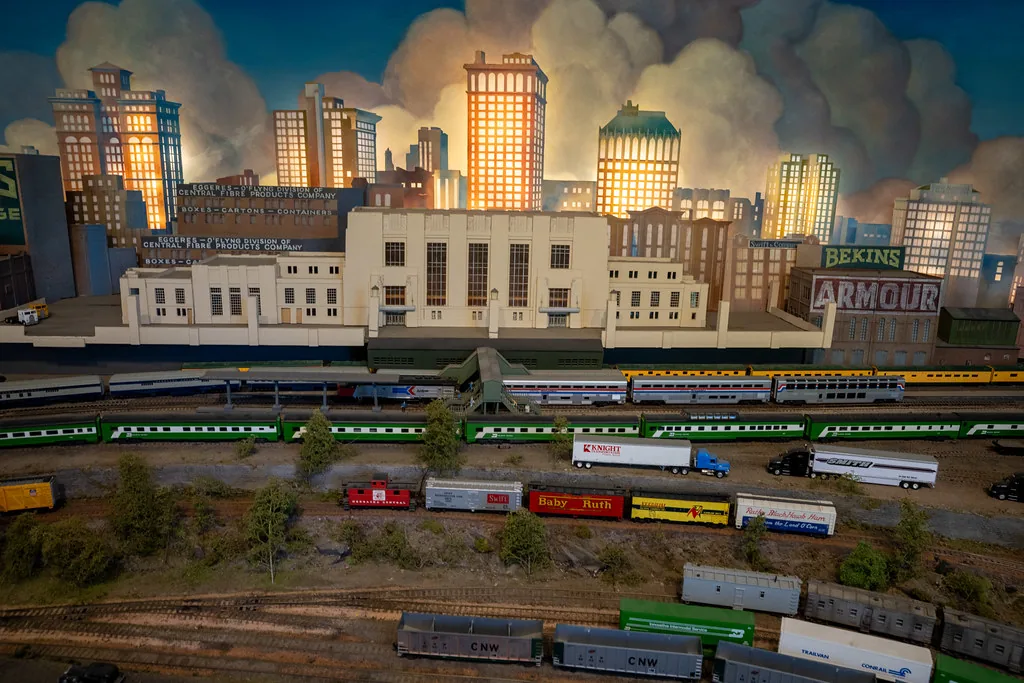
Long coaches change the whole scene
Assess passenger train length beyond platform appearance.
4 min read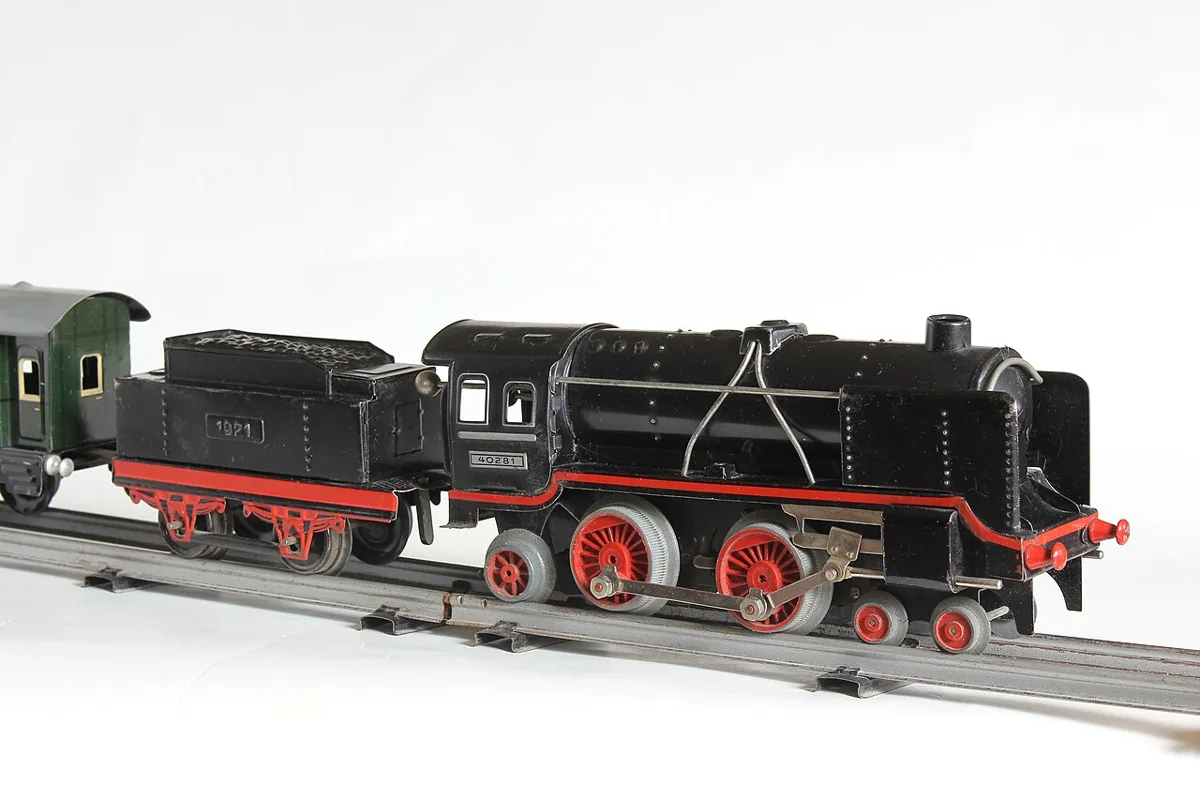
Date a scene with evidence, not a paint scheme
Check whether vehicles and setting belong together.
4 min read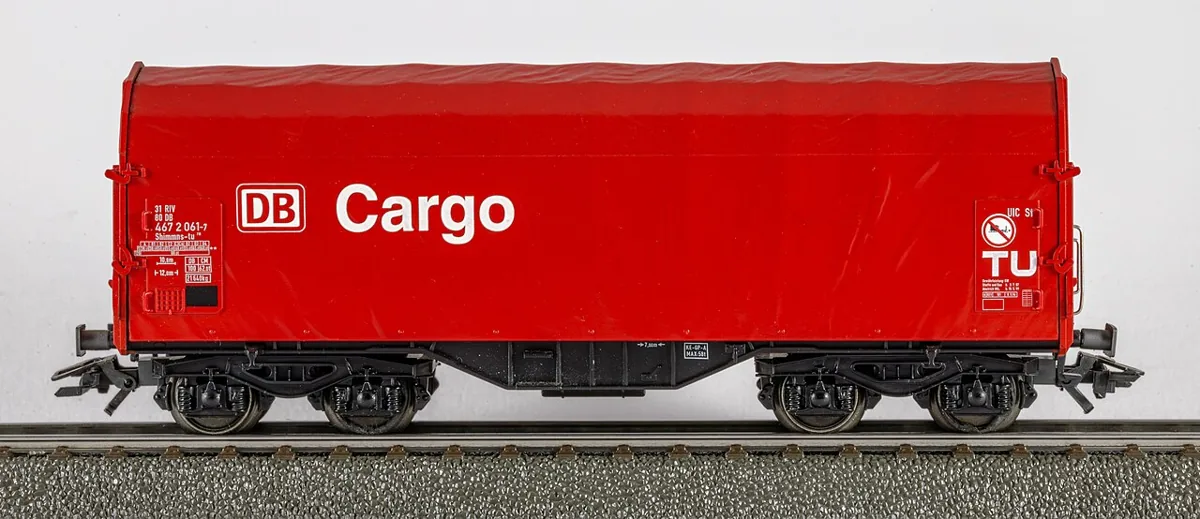
Map the dirt before opening the paint
Plan weathering as a response to use and environment.
4 min read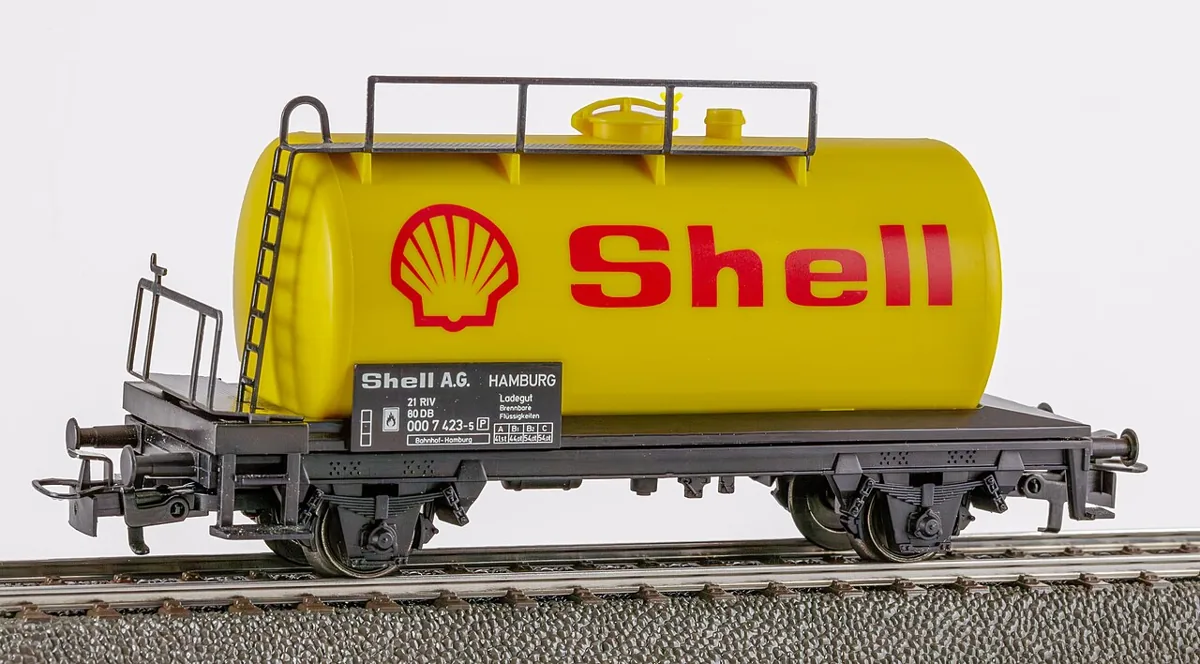
Keep a condition record for each model
Separate known defects from later changes.
4 min read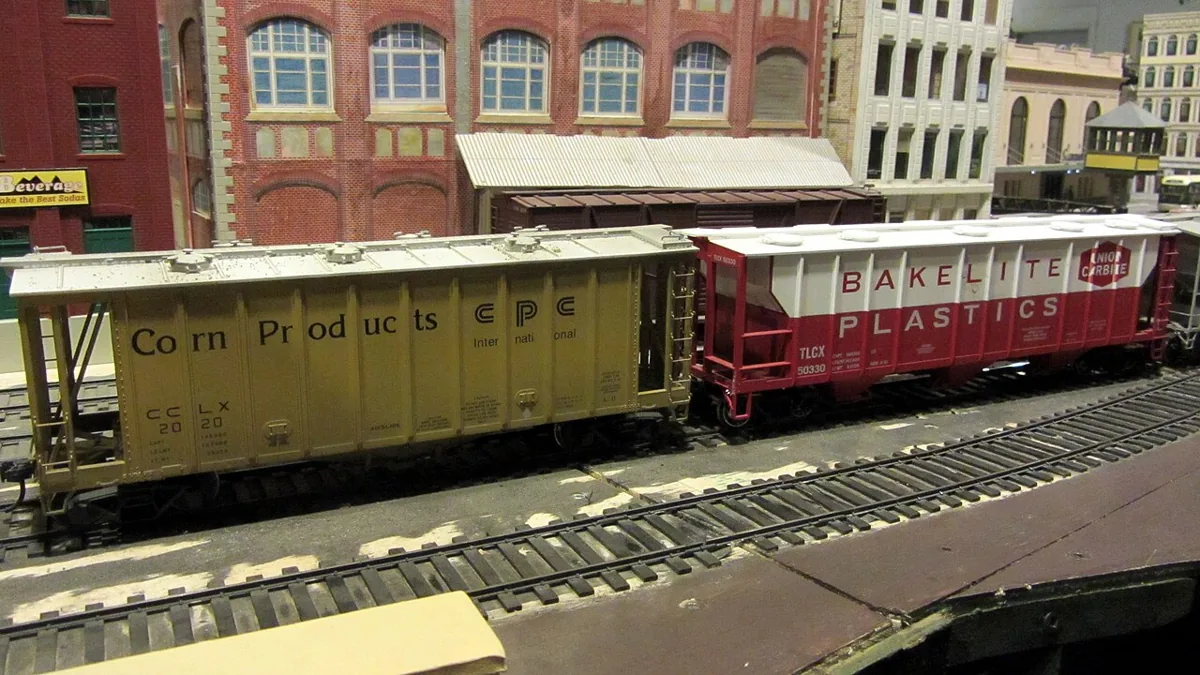
A coupling is part of the operating plan
Evaluate coupling choices for the required movements.
4 min read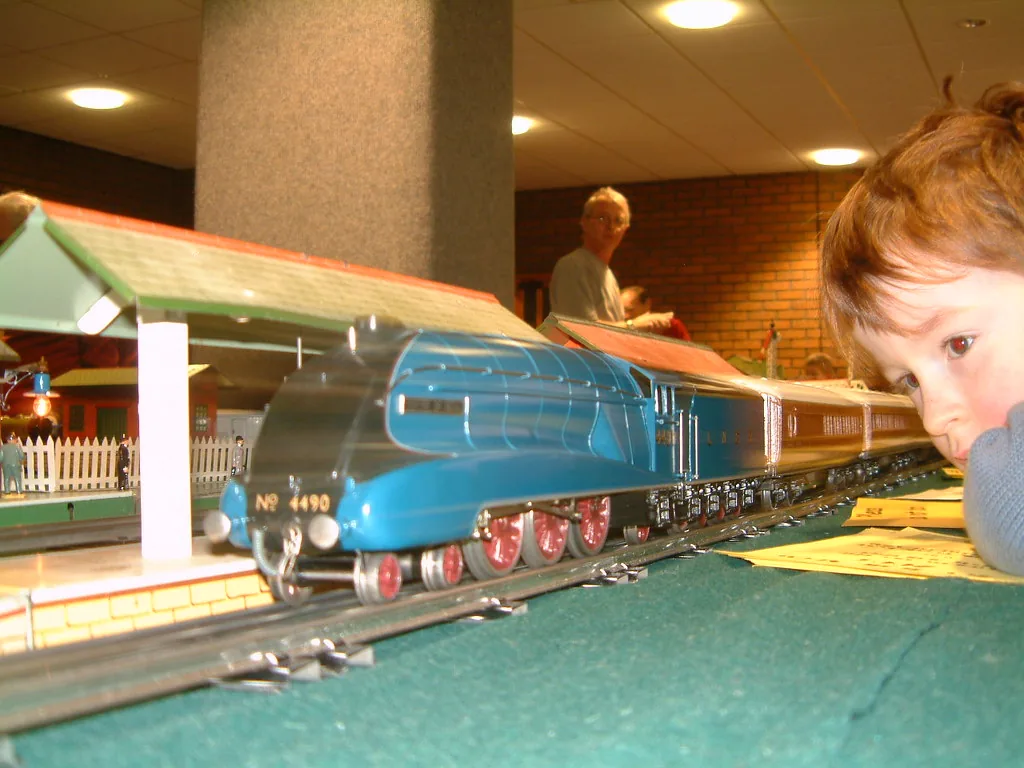
Bring a new model into service methodically
Establish a baseline before modifications.
4 min read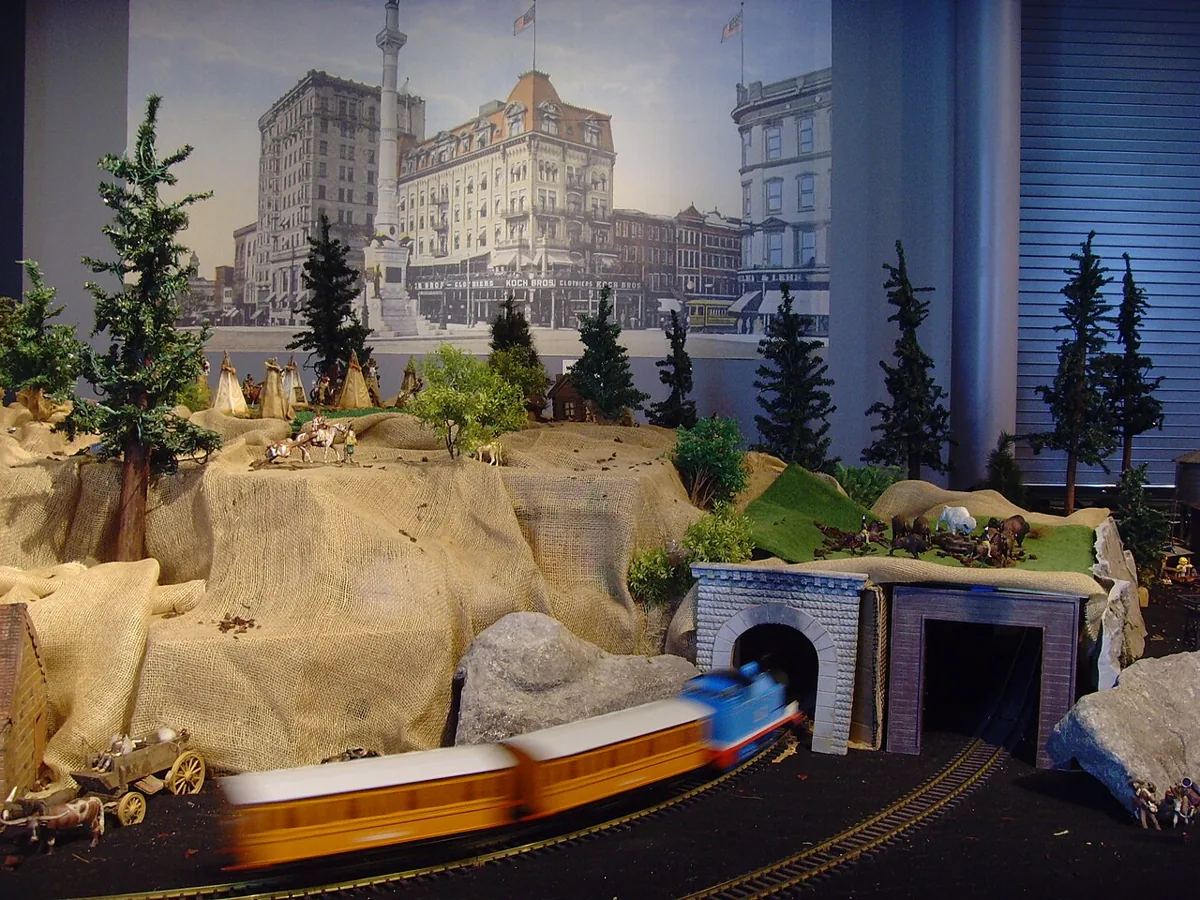
Let the land explain the railway
Plan landforms before scattering scenic details.
4 min read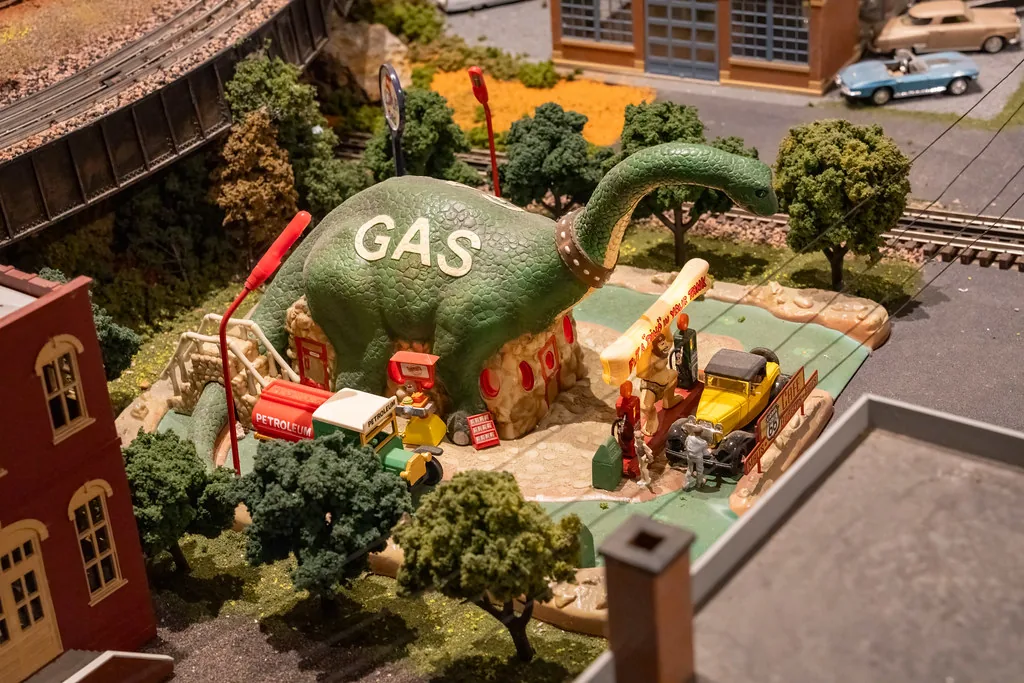
Give a small scene one clear subject
Compose a compact diorama without clutter.
4 min read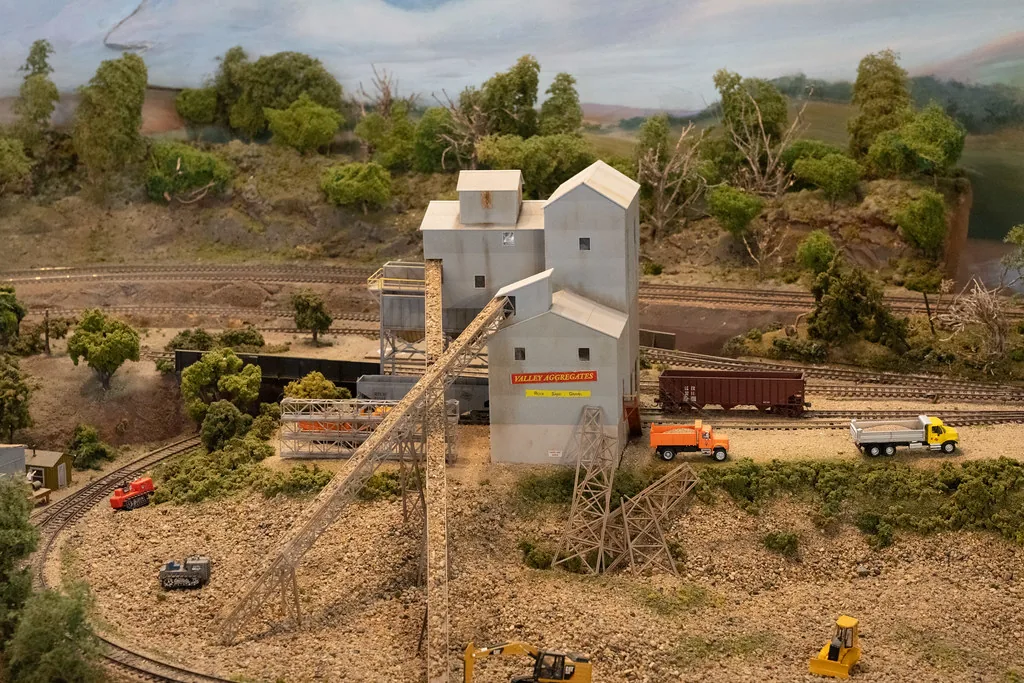
Build the ground in readable layers
Make ground cover vary with land use.
4 min read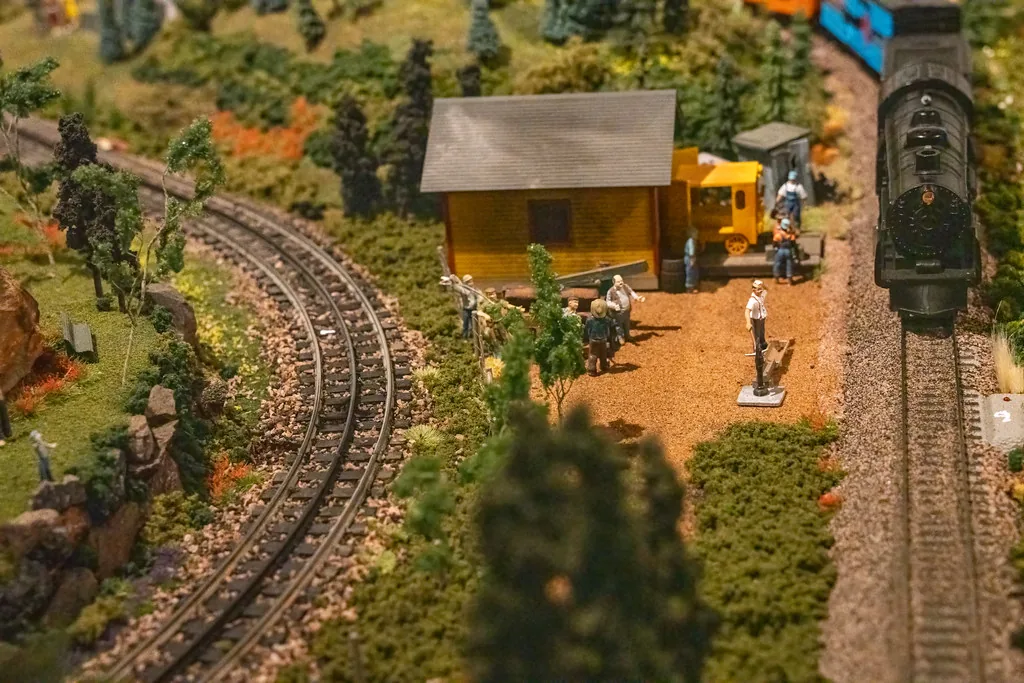
Place trees as a landscape, not a collection
Plan tree groups around scale, sightlines and access.
4 min read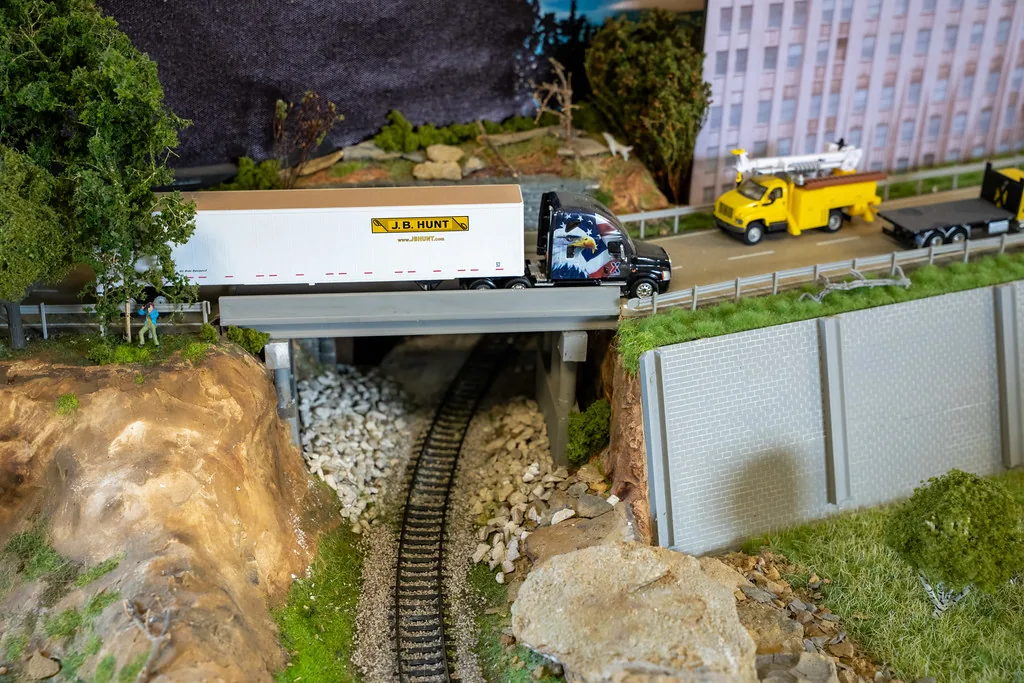
Make roads arrive somewhere believable
Connect roads and yards to buildings.
4 min read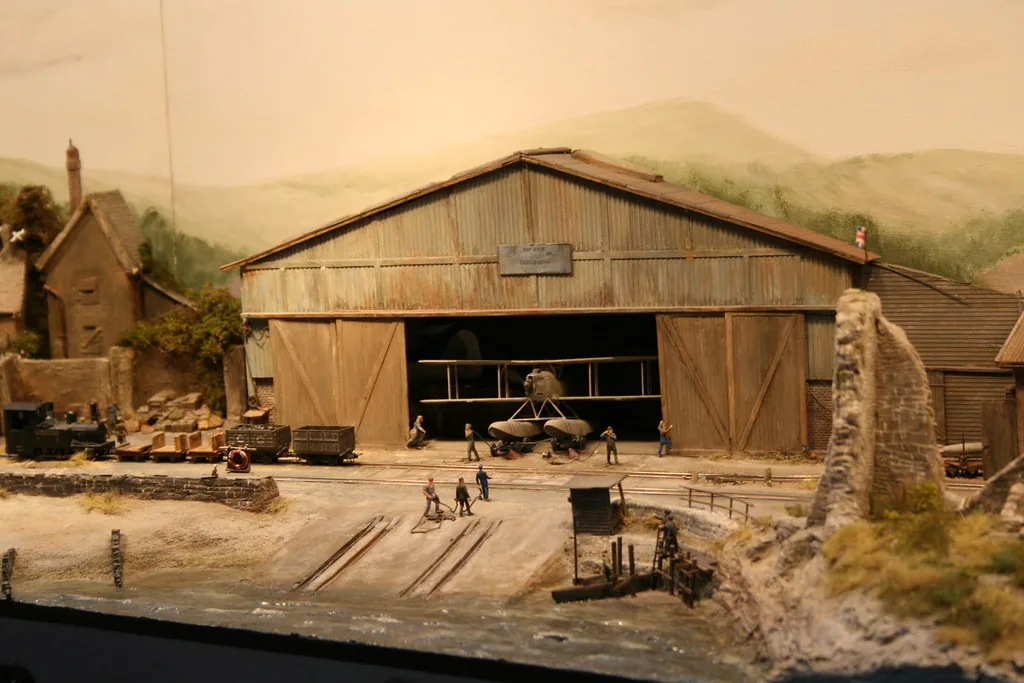
Give a building the ground it needs
Integrate a structure instead of placing it on top.
4 min read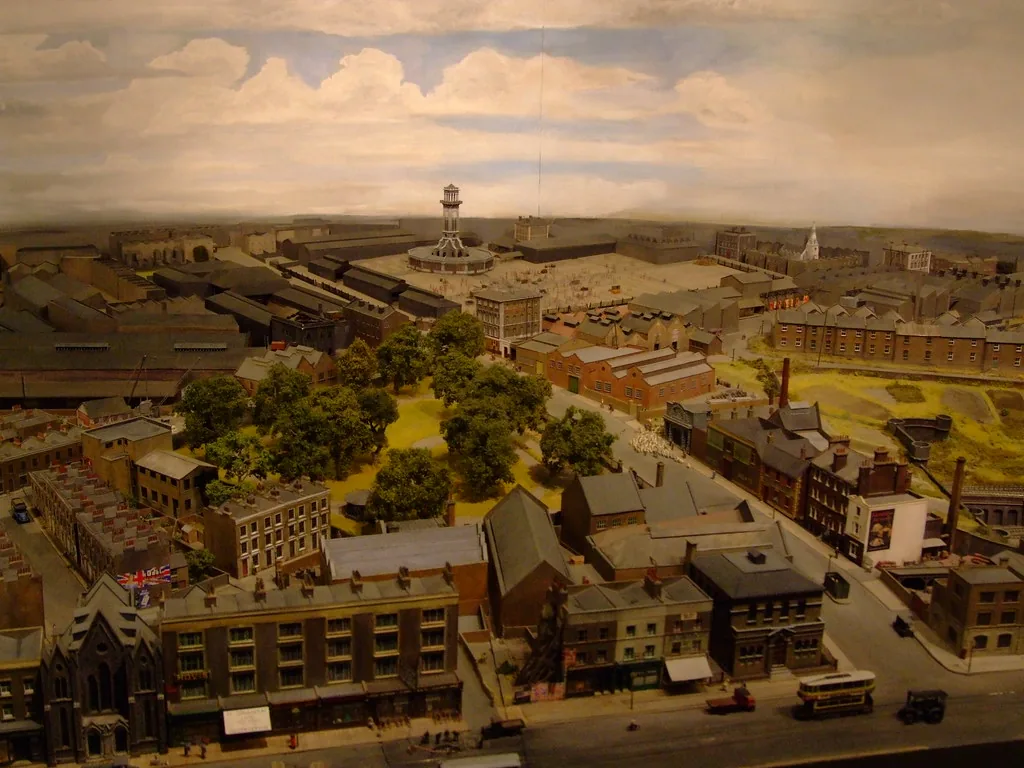
Where the model ends and the distance begins
Manage transitions between three dimensions and backdrop.
4 min read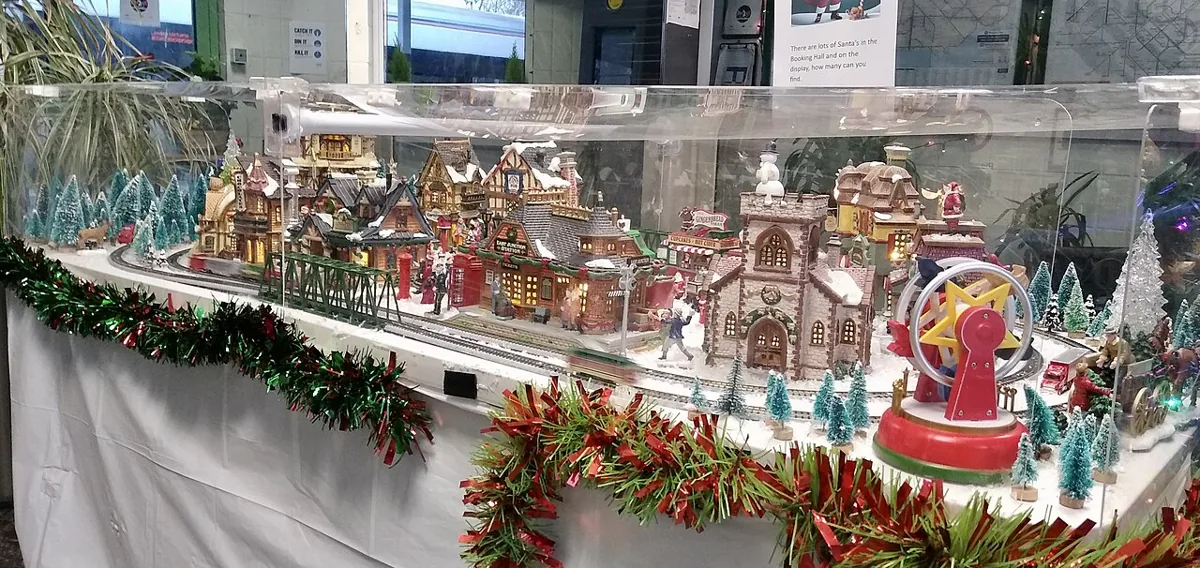
Choose a season across the whole scene
Keep foliage and ground colours consistent.
4 min read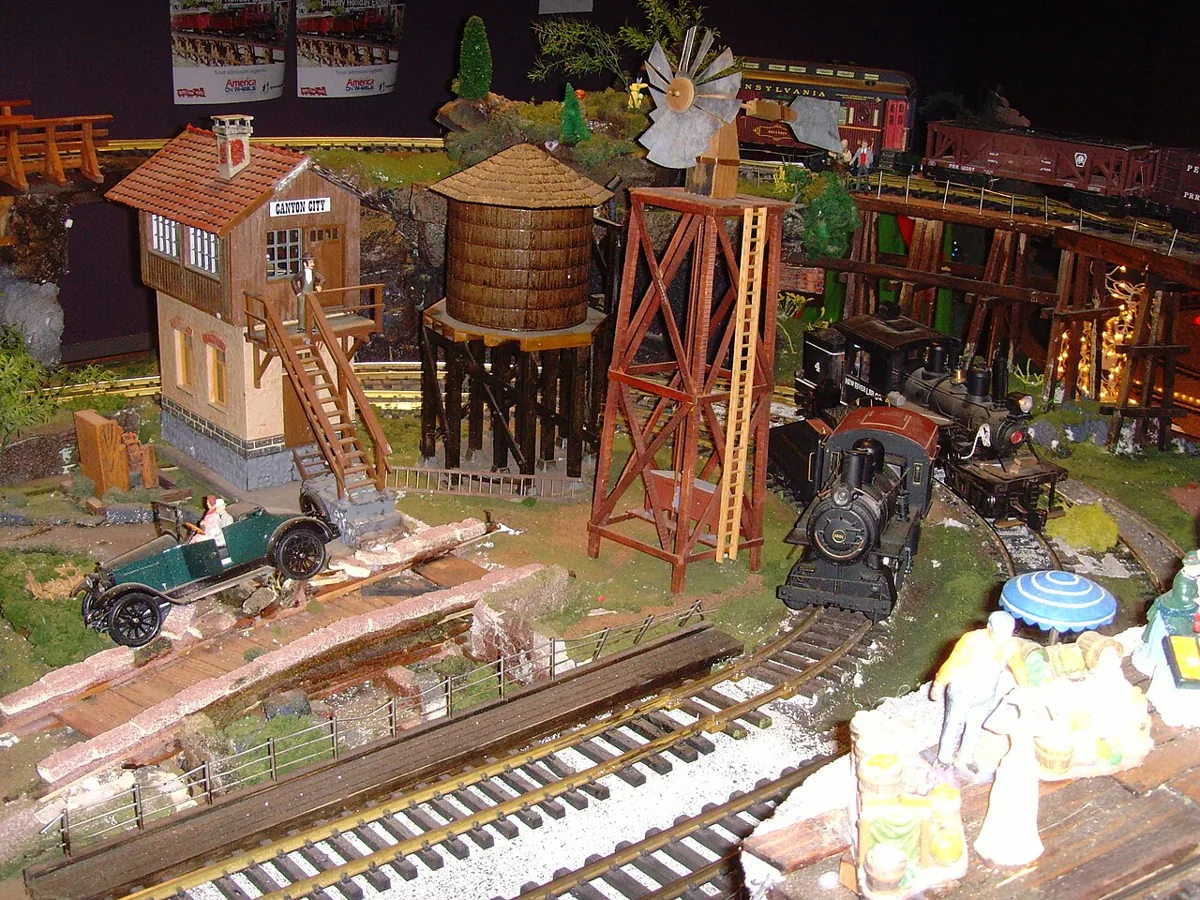
Make a scenery test board worth keeping
Compare materials before treating the layout.
4 min read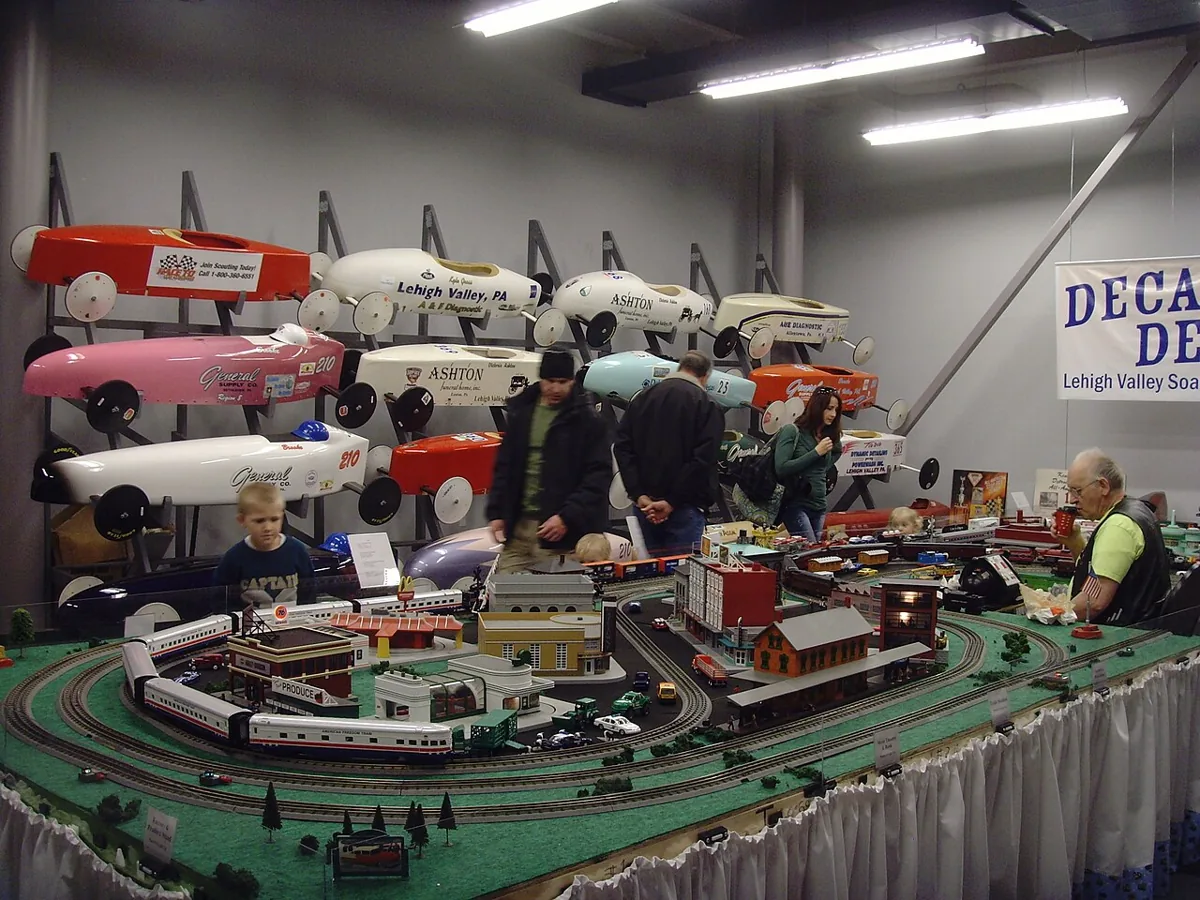
Visit a model railway exhibition with better questions
Learn from an exhibition without interrupting operators.
4 min read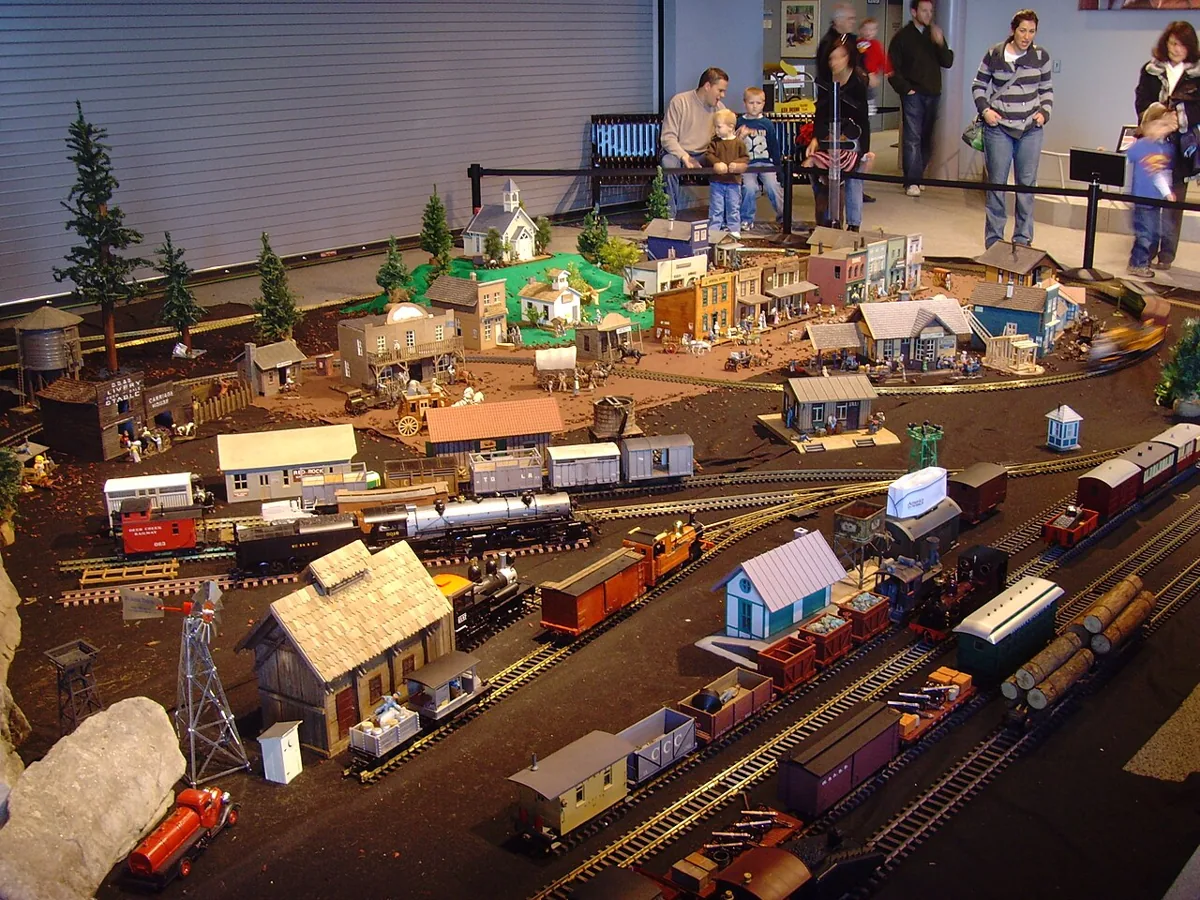
What to ask on your first model railway club visit
Find out how a club works before joining.
4 min read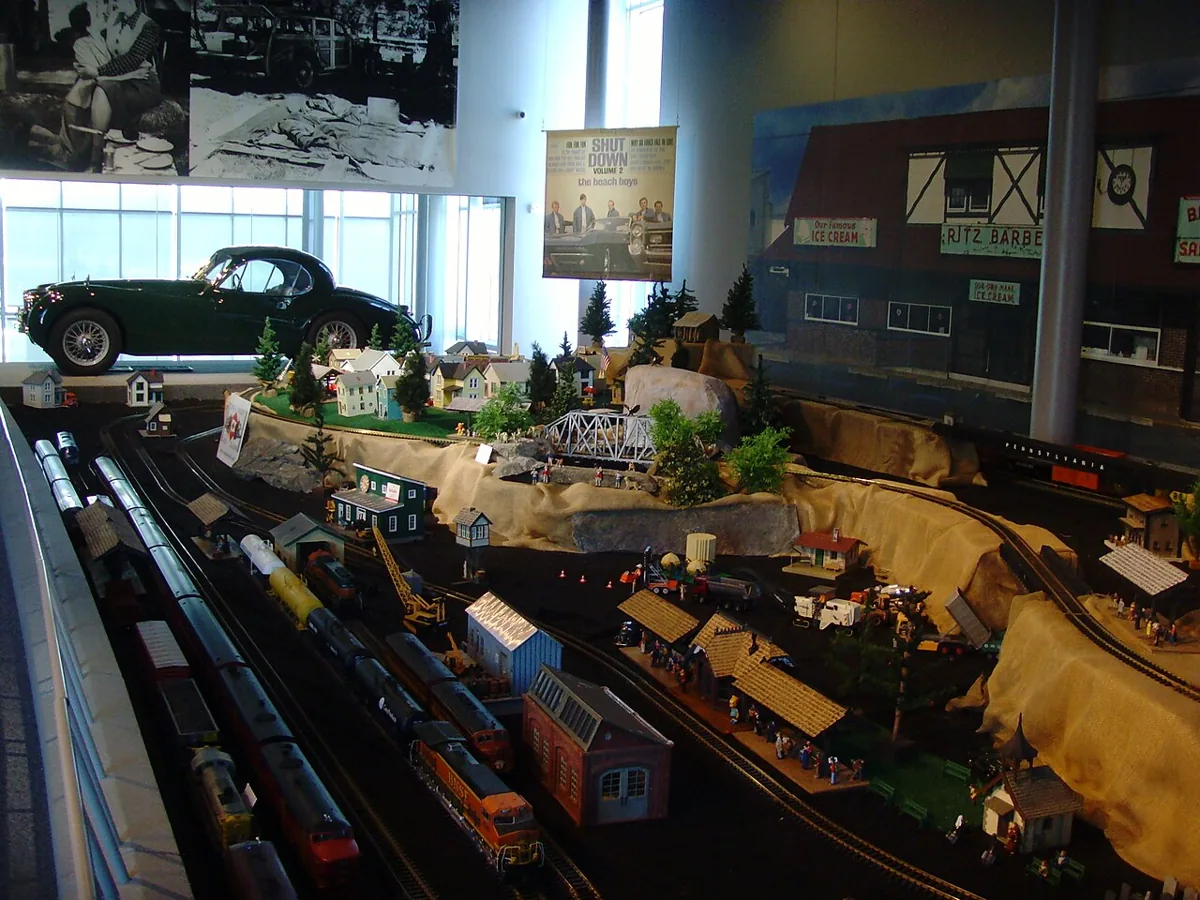
Make a shared module project easier to finish
Coordinate contributors without incompatible work.
4 min read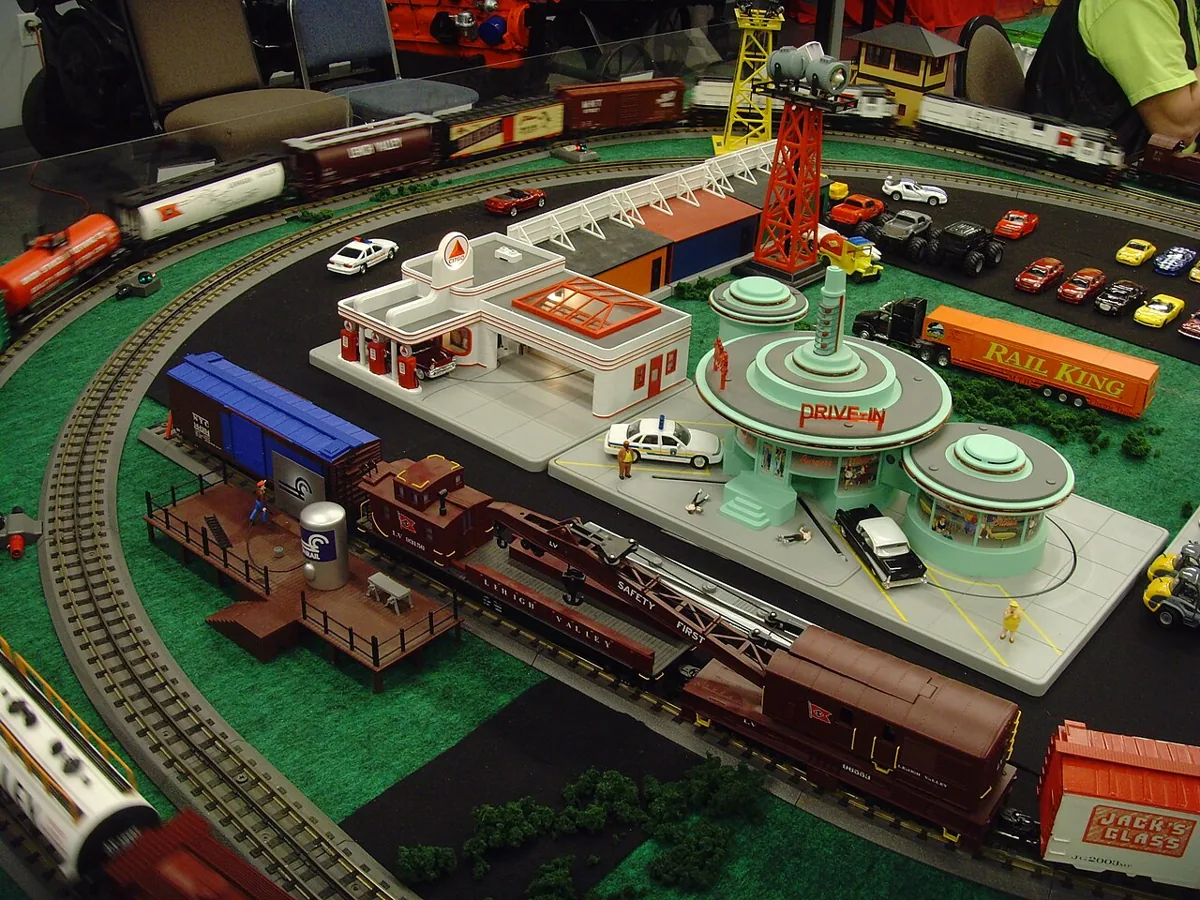
Build a catalogue you will actually maintain
Find a model and its documentation later.
4 min read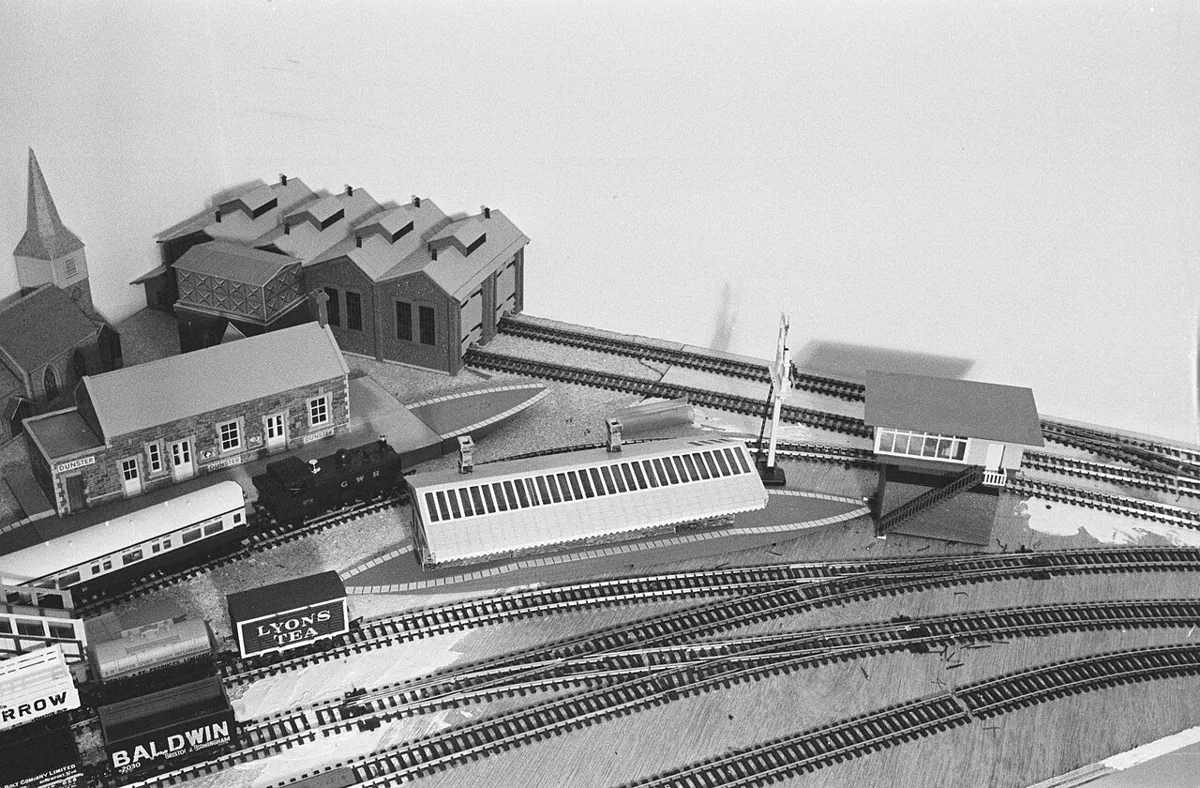
Keep the instructions with the story of the model
Organise paper documentation without damaging it.
4 min read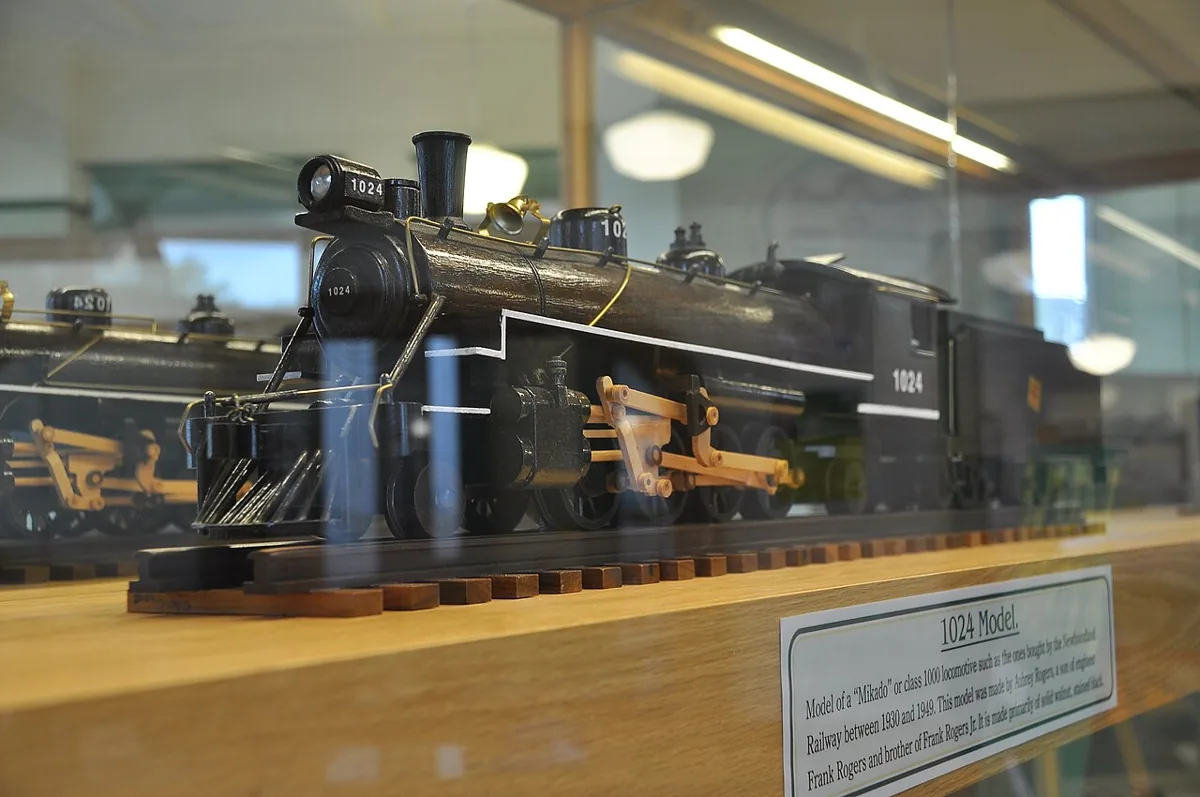
Photograph a model so the record stays useful
Create a consistent documentation image set.
4 min read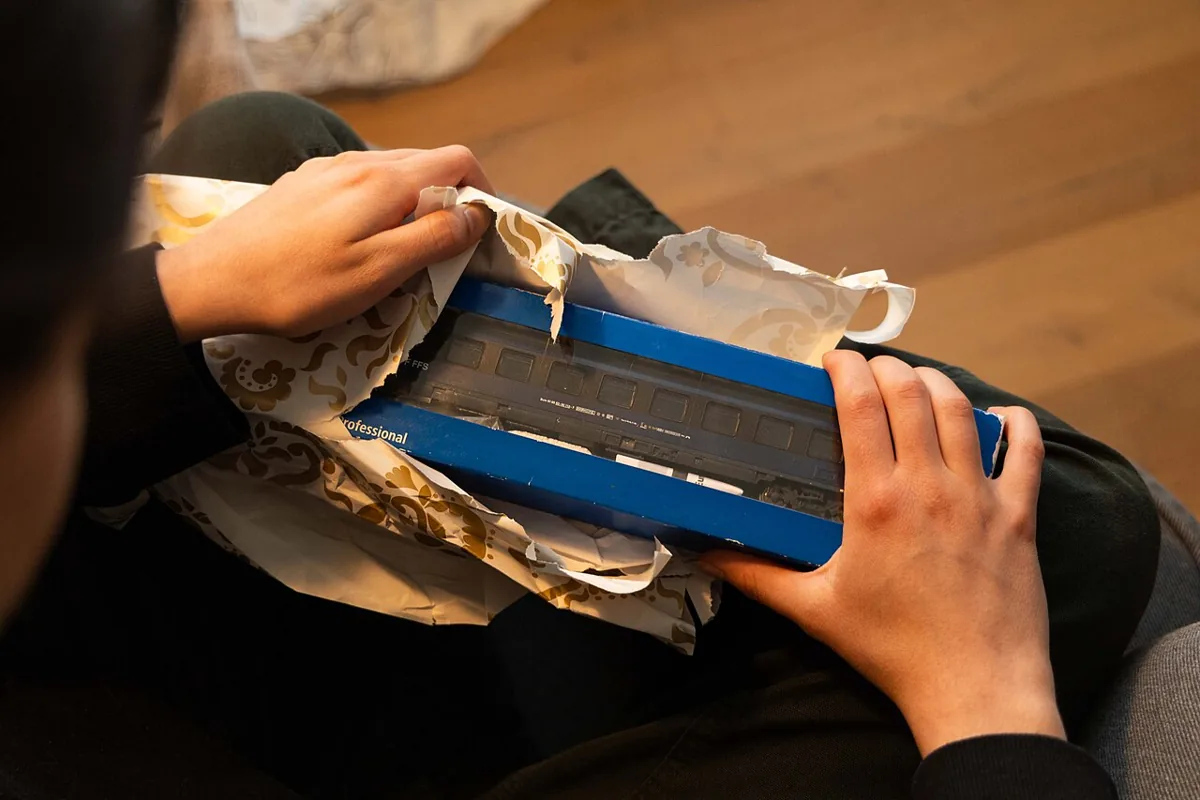
Build a reference notebook without losing the source
Track reference material and permissions.
4 min read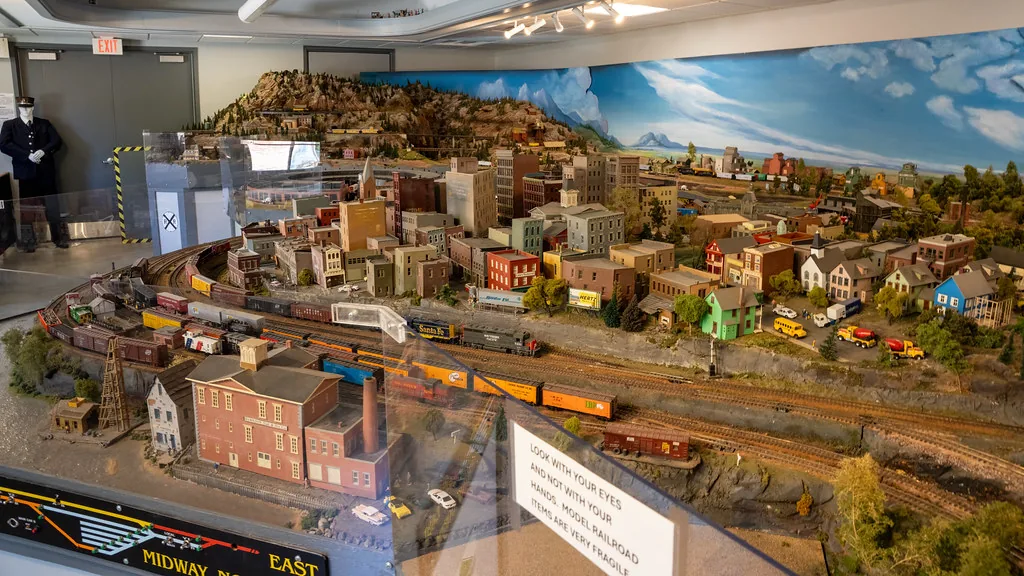
Leave a layout someone else can understand
Document a layout for another caretaker.
4 min read
Run a small operating session with a clear purpose
Make an approachable first session.
4 min read