
Scenery Workshop
Build a convincing setting through observation, deliberate composition and small, recorded experiments.
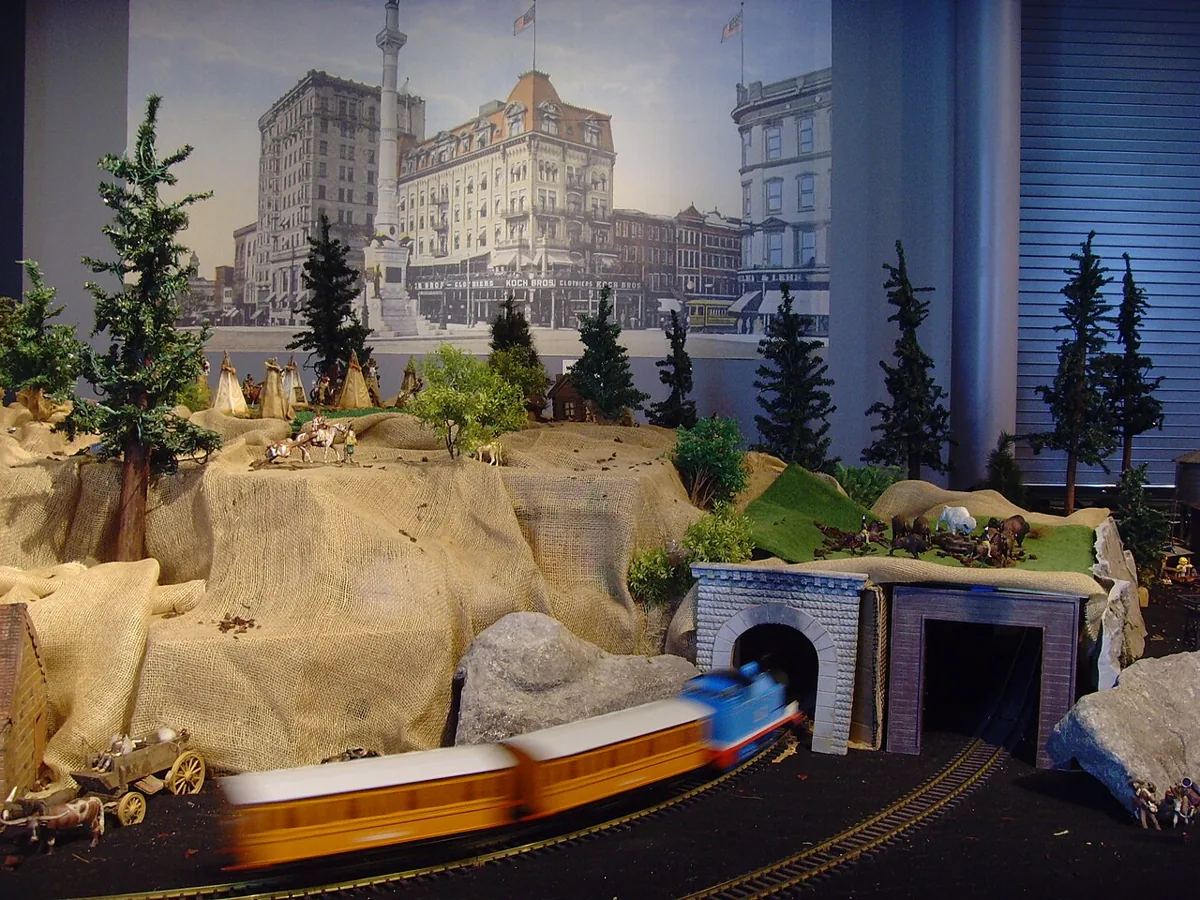
Let the land explain the railway
Plan landforms before scattering scenic details.
4 min read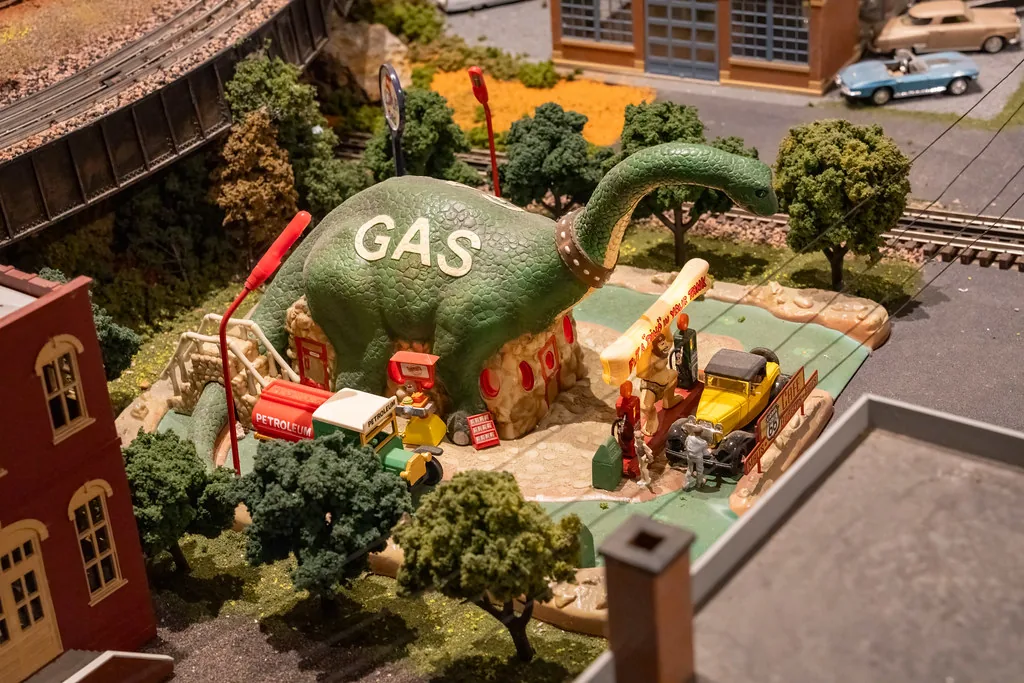
Give a small scene one clear subject
Compose a compact diorama without clutter.
4 min read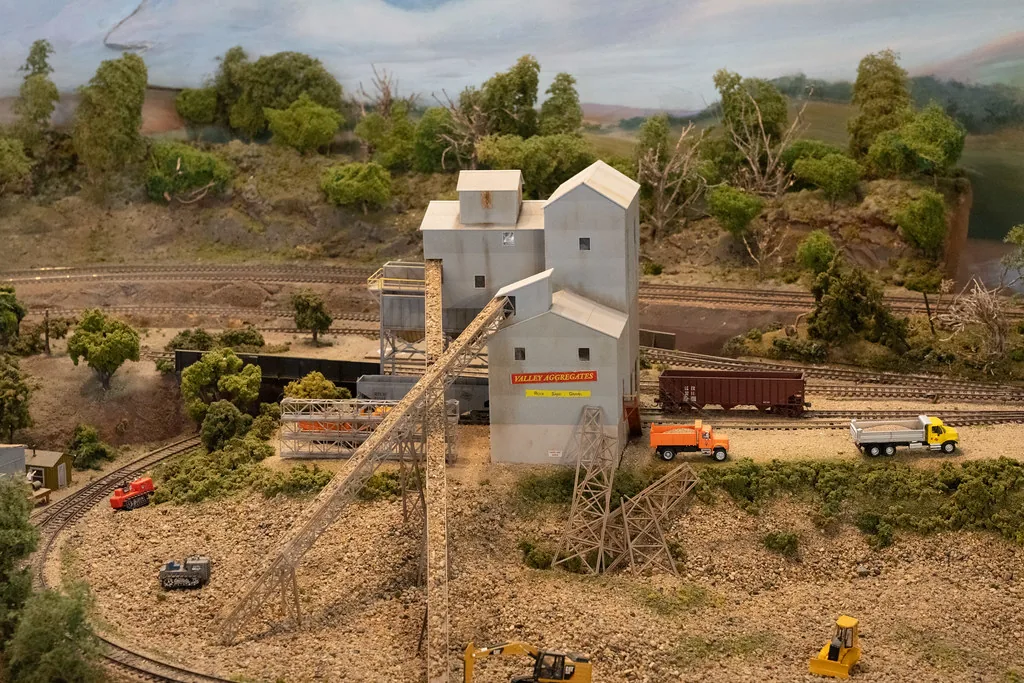
Build the ground in readable layers
Make ground cover vary with land use.
4 min read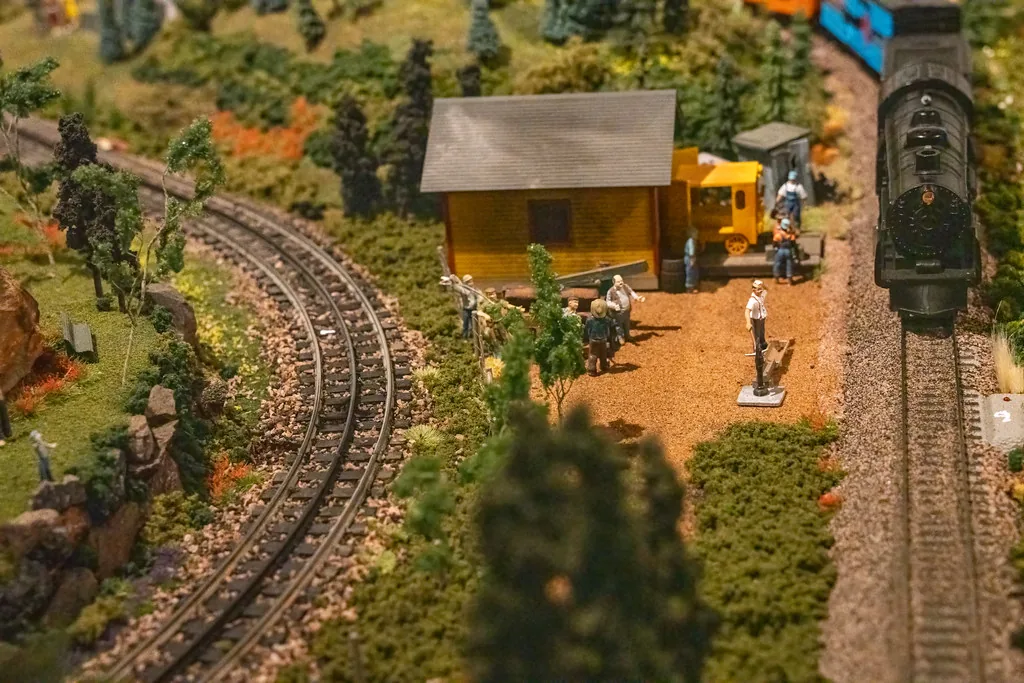
Place trees as a landscape, not a collection
Plan tree groups around scale, sightlines and access.
4 min read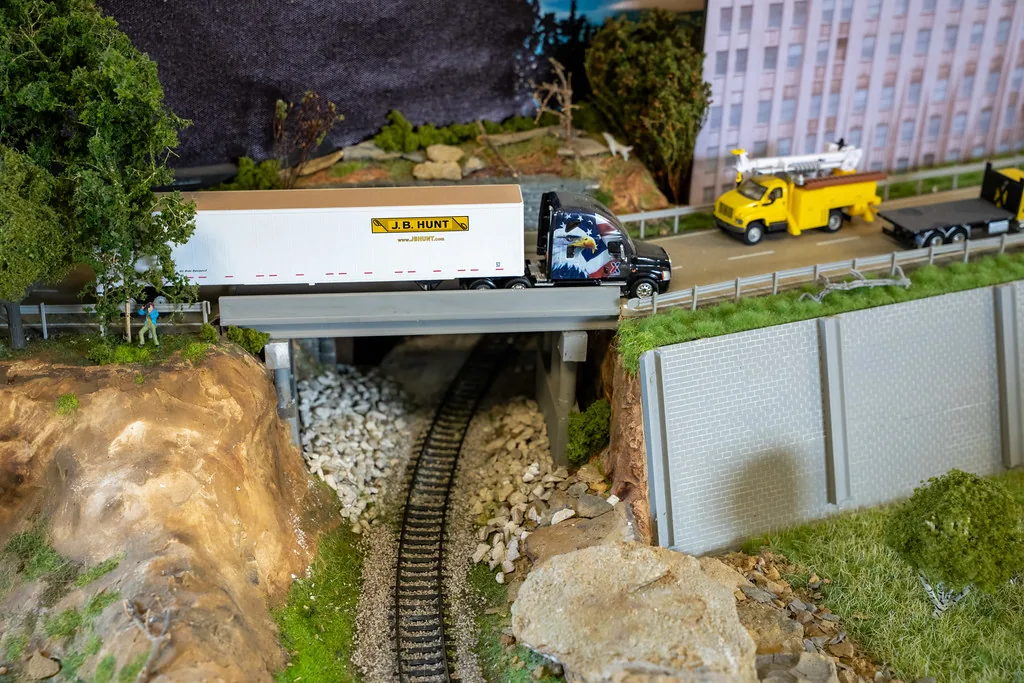
Make roads arrive somewhere believable
Connect roads and yards to buildings.
4 min read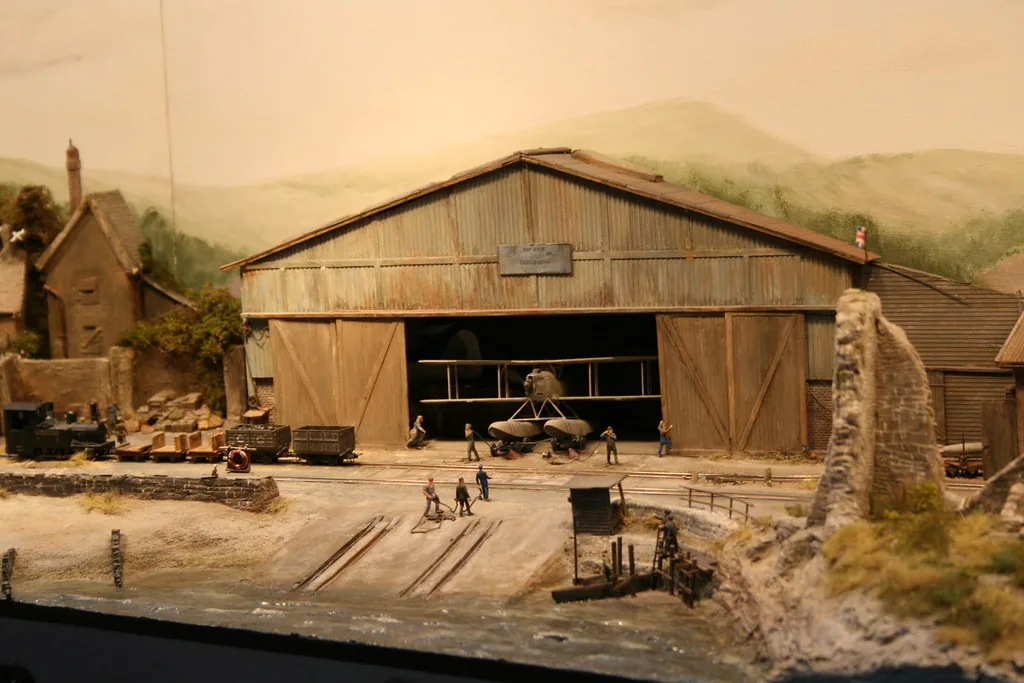
Give a building the ground it needs
Integrate a structure instead of placing it on top.
4 min read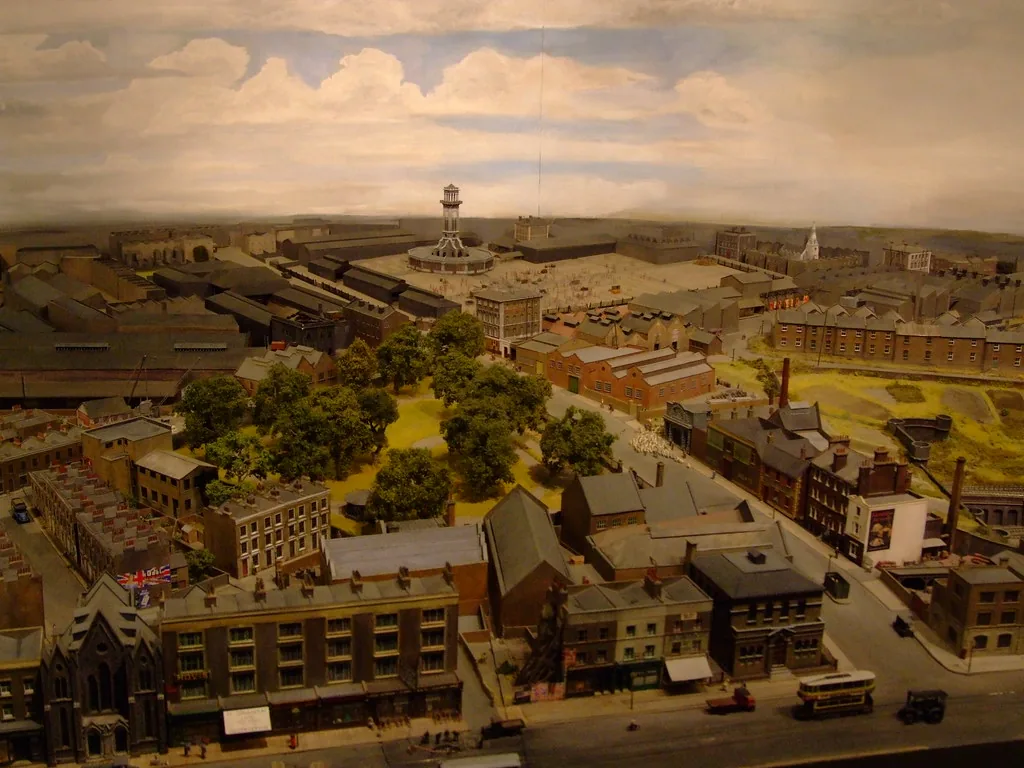
Where the model ends and the distance begins
Manage transitions between three dimensions and backdrop.
4 min read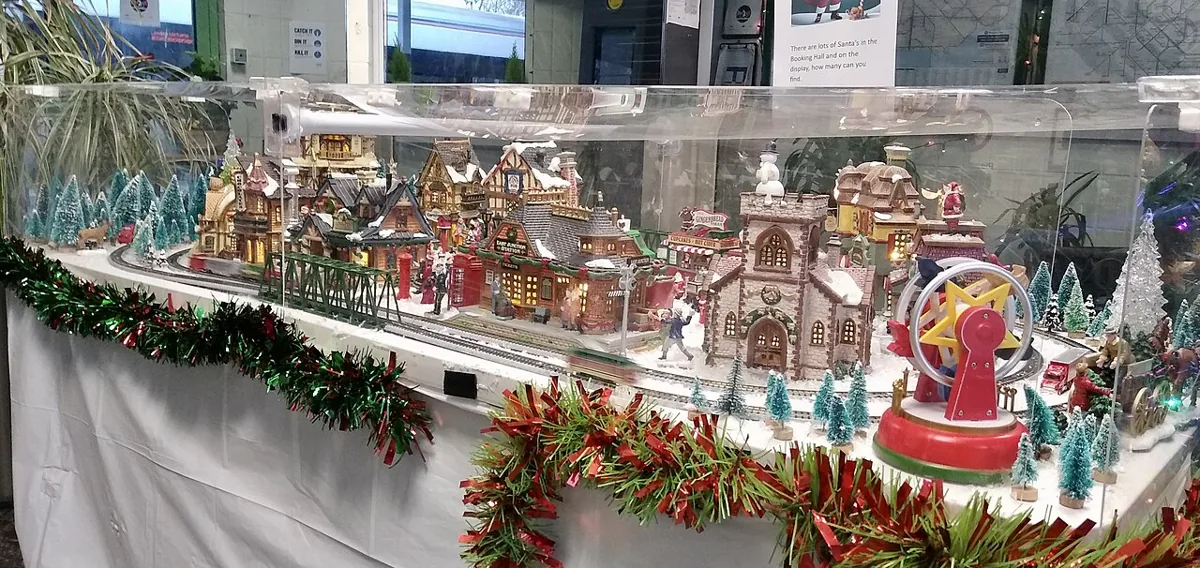
Choose a season across the whole scene
Keep foliage and ground colours consistent.
4 min read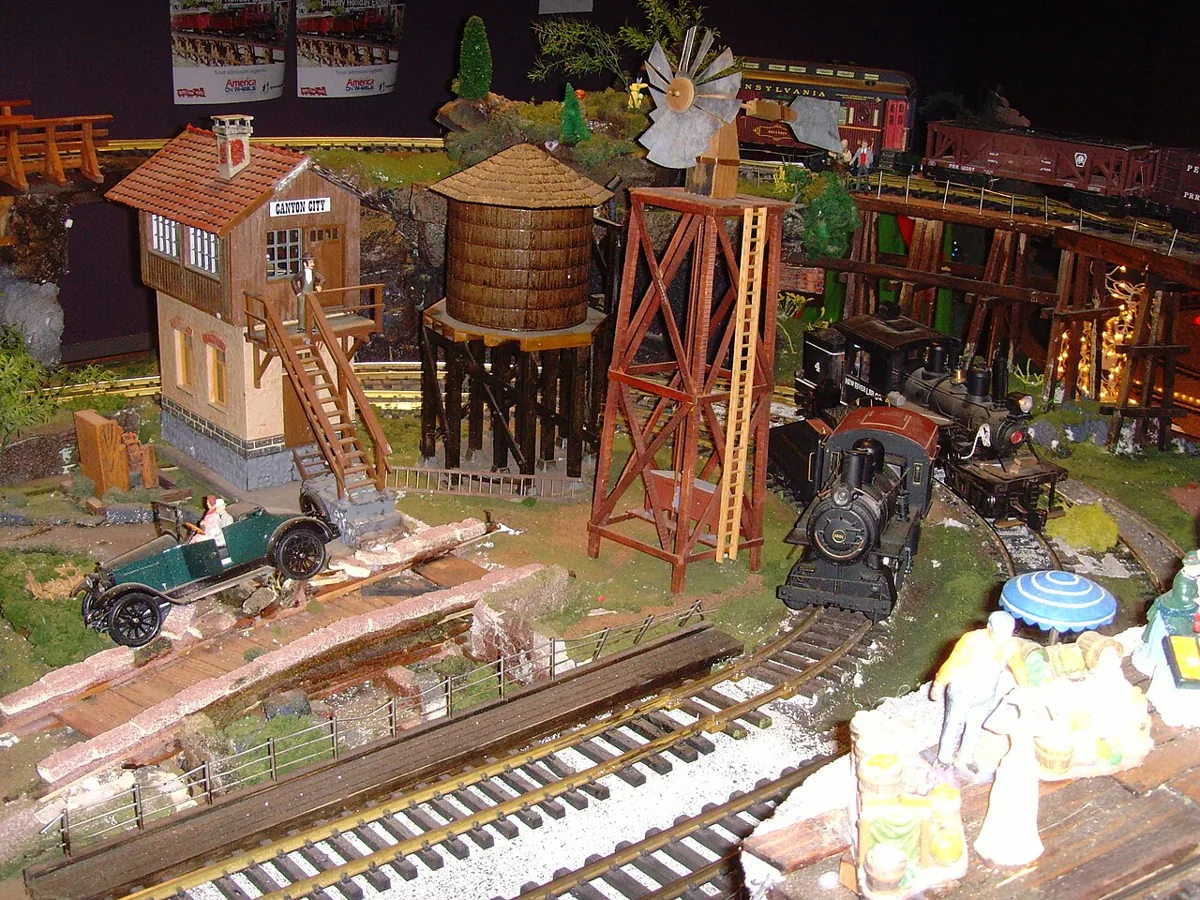
Make a scenery test board worth keeping
Compare materials before treating the layout.
4 min read