
Rolling Stock
Look closely at vehicles, give the collection a purpose, and keep useful records of what changes.
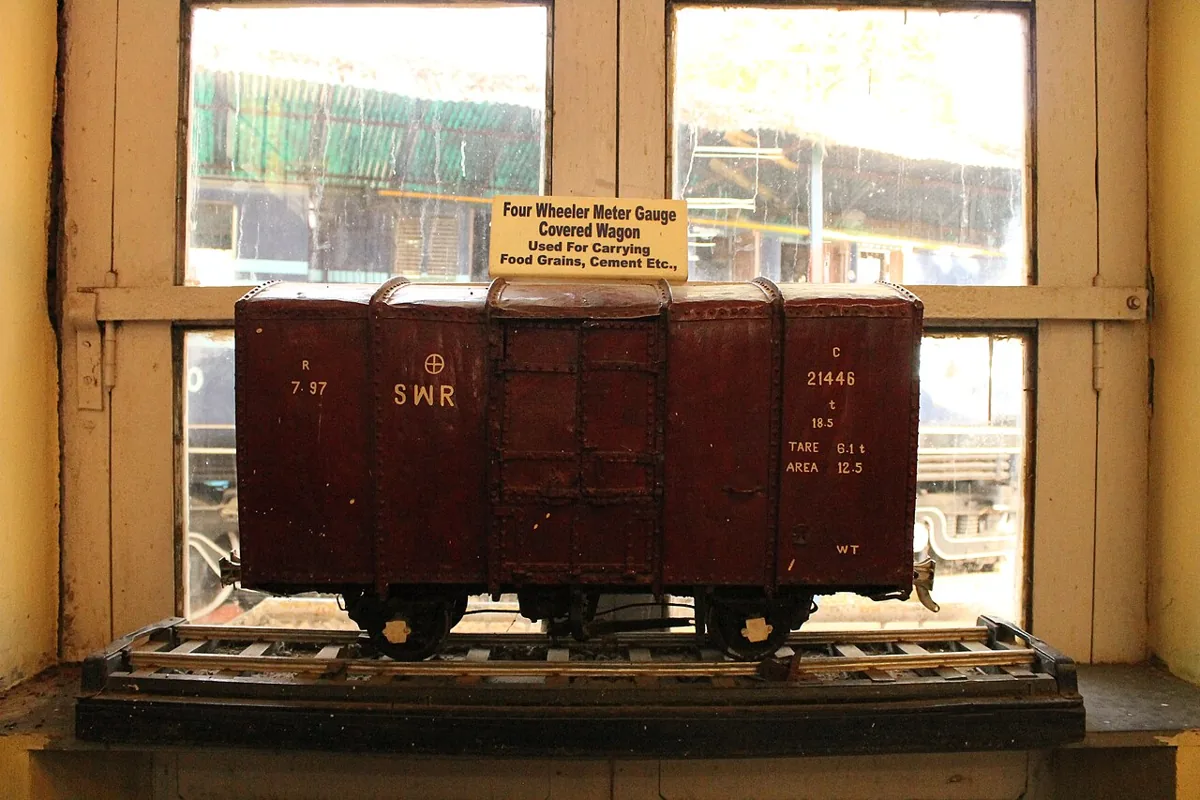
Learn to read a railway vehicle as a model
Observe function before adding detail.
4 min read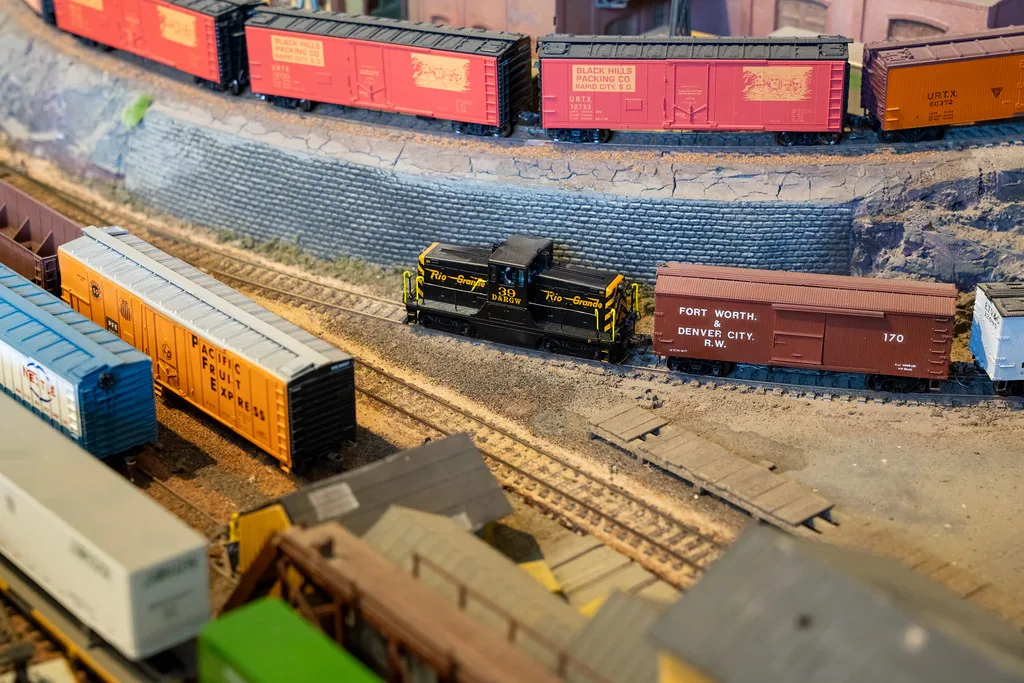
Build a roster that has a job to do
Choose vehicles for an operating concept.
4 min read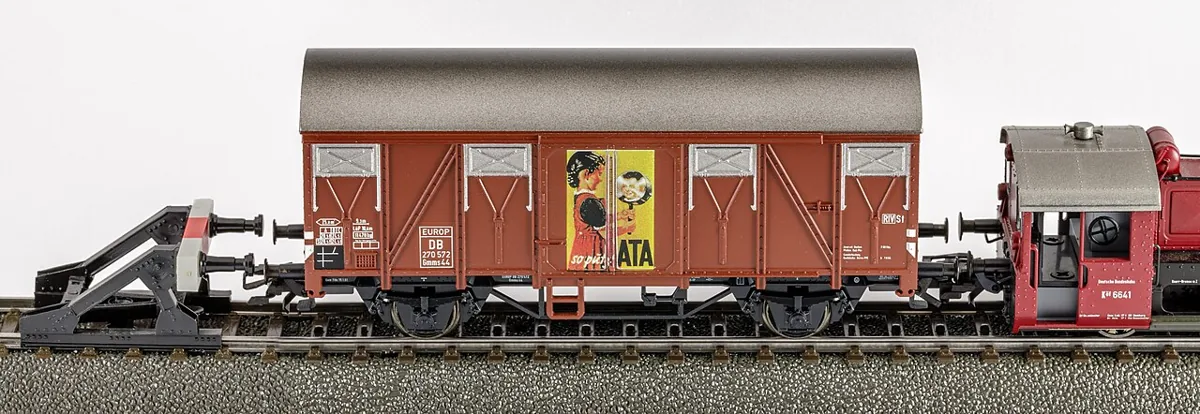
Match a freight car to the place it serves
Link model industries to believable traffic.
4 min read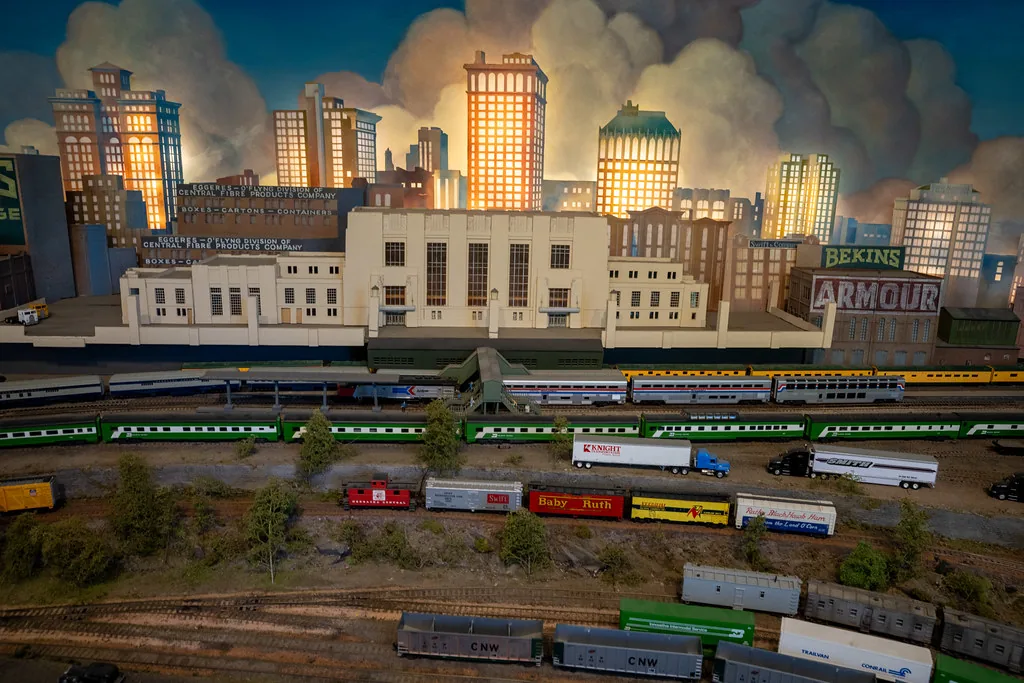
Long coaches change the whole scene
Assess passenger train length beyond platform appearance.
4 min read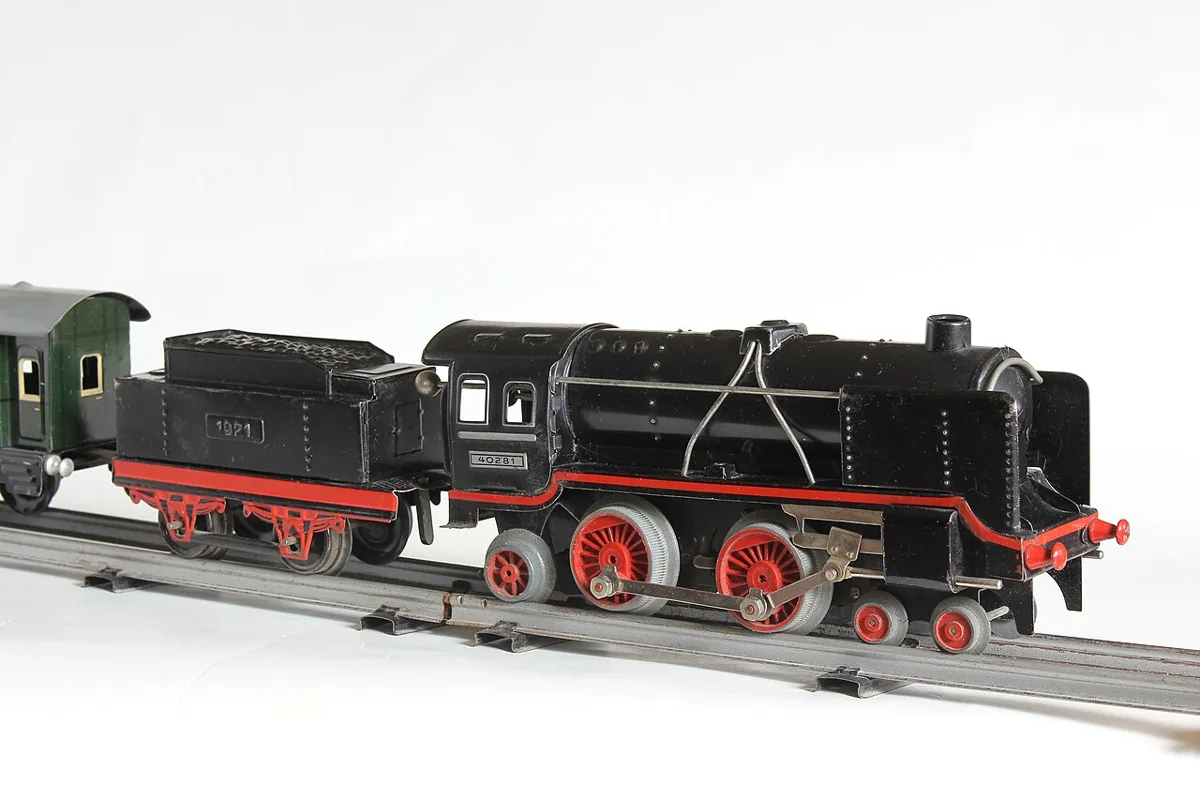
Date a scene with evidence, not a paint scheme
Check whether vehicles and setting belong together.
4 min read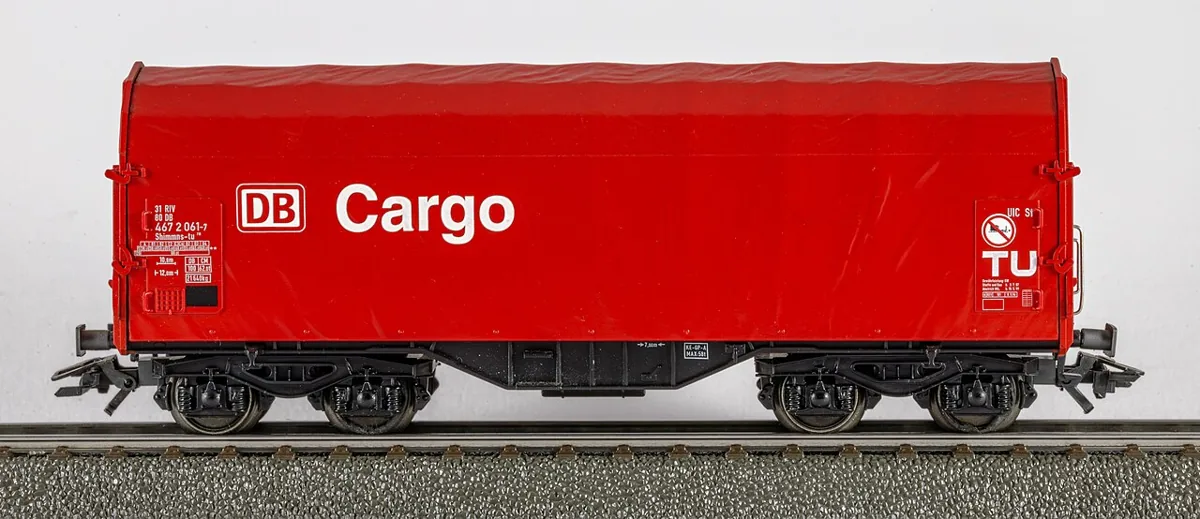
Map the dirt before opening the paint
Plan weathering as a response to use and environment.
4 min read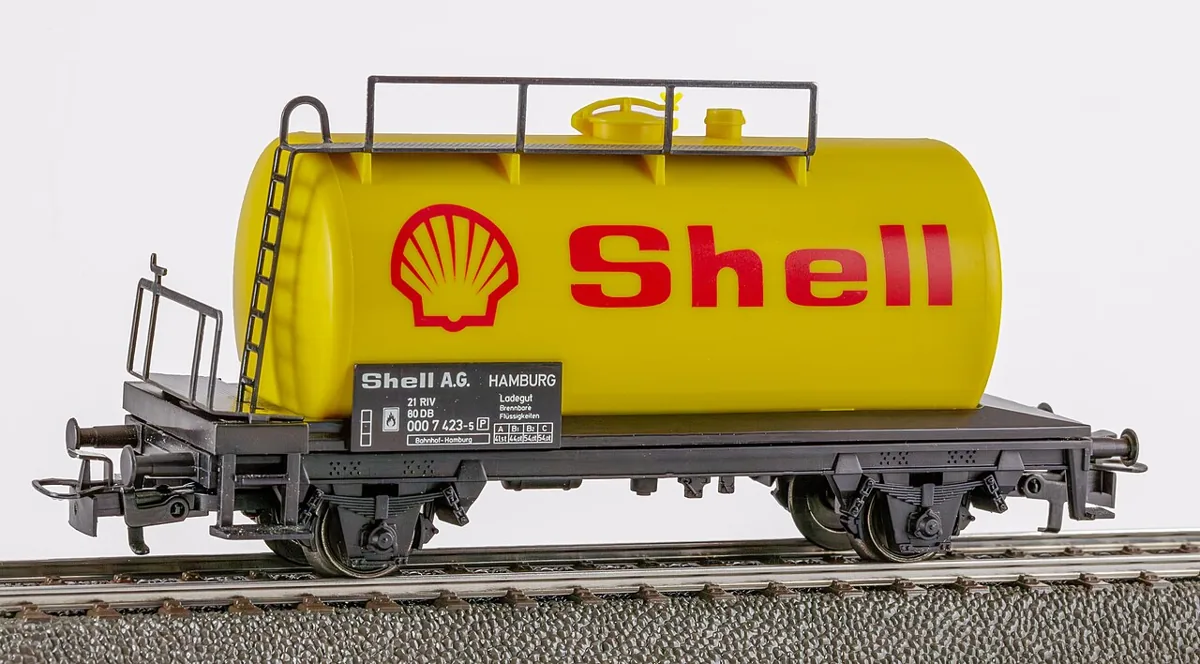
Keep a condition record for each model
Separate known defects from later changes.
4 min read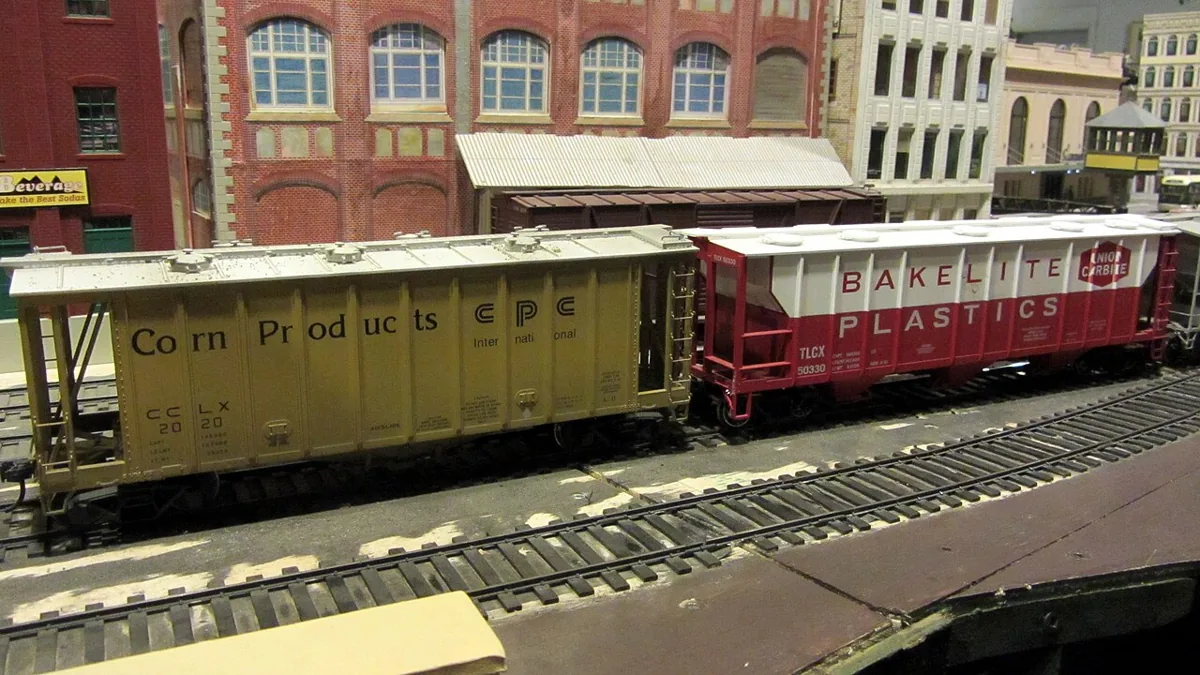
A coupling is part of the operating plan
Evaluate coupling choices for the required movements.
4 min read
Bring a new model into service methodically
Establish a baseline before modifications.
4 min read