Find your next question.

Search article titles, topics and sections.

An exhibition layout brings together the activities and space a brief must reconcile.

Write a layout brief before drawing track

Layout Craft

Turn a vague layout idea into an achievable brief.

4 min read
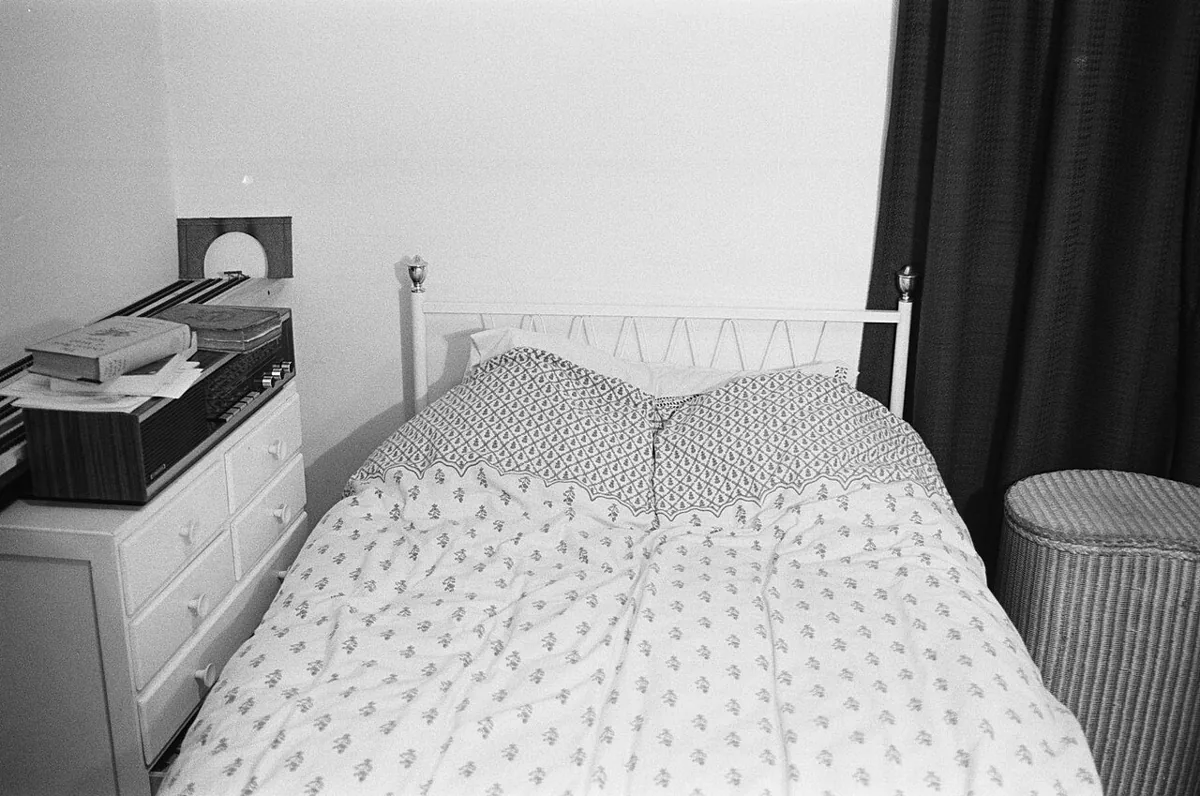
An archival view of a railway fitted around a bedroom illustrates a real room constraint.

Shelf or island: choose a layout that fits the room

Layout Craft

Choose a footprint without losing access.

4 min read
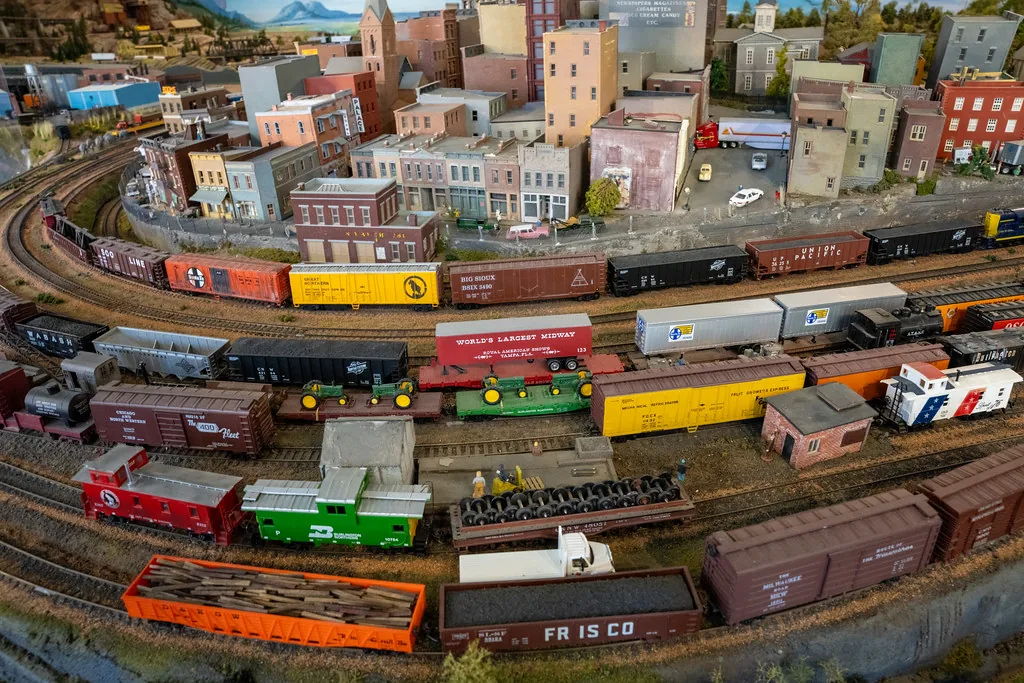
Several trains and routes illustrate the choice between circulation and individual movements.

Continuous running or switching: what do you want to do?

Layout Craft

Choose the kind of operating session to support.

4 min read
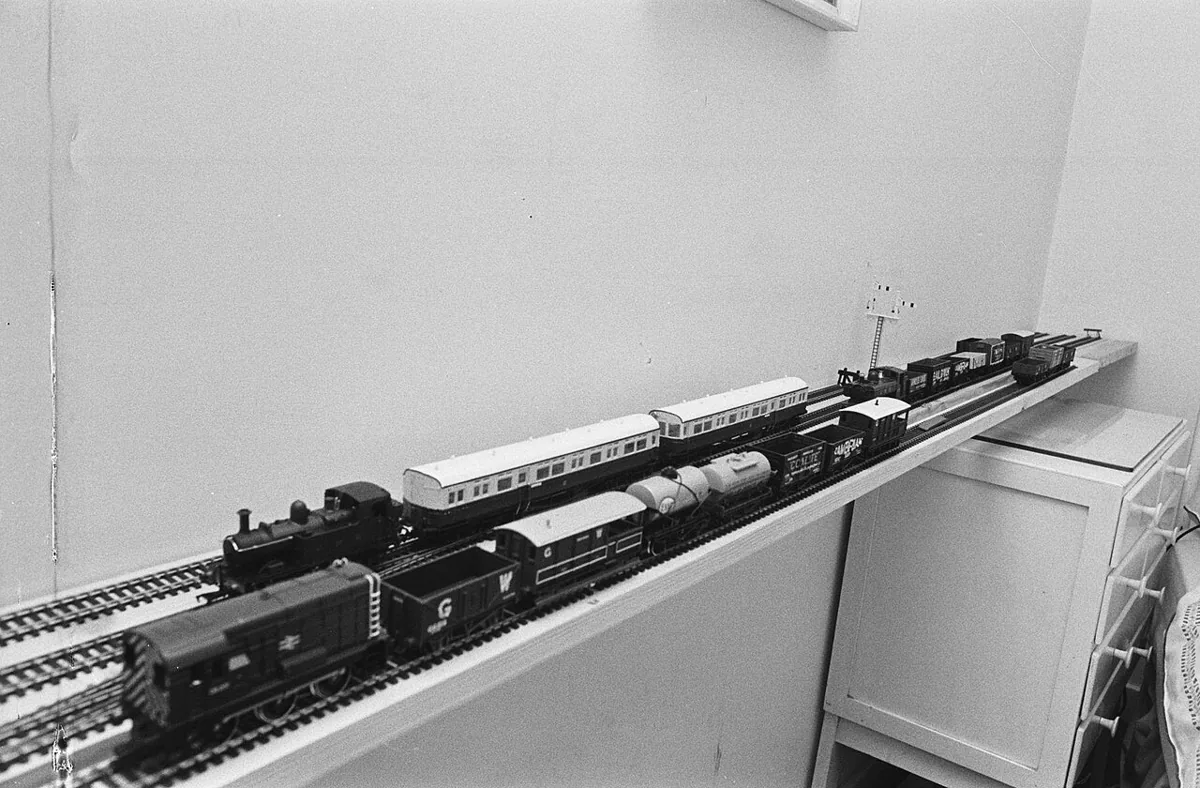
An archival row of standing model trains illustrates the physical space required off scene.

Give the rest of the railway somewhere to go

Layout Craft

Plan off-scene train storage.

4 min read
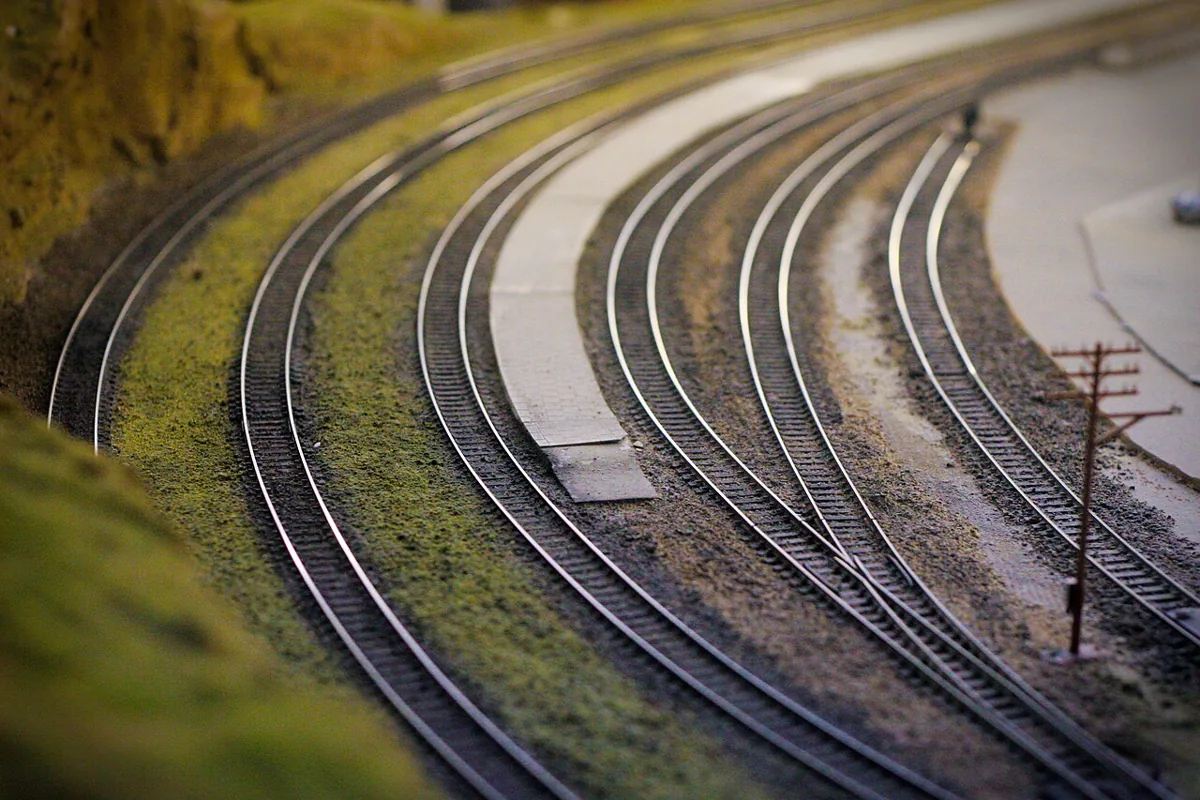
Curved model tracks illustrate the geometry that must be reserved before a station is fitted.

Plan the curves before the station

Layout Craft

Avoid drawing track that cannot fit.

4 min read
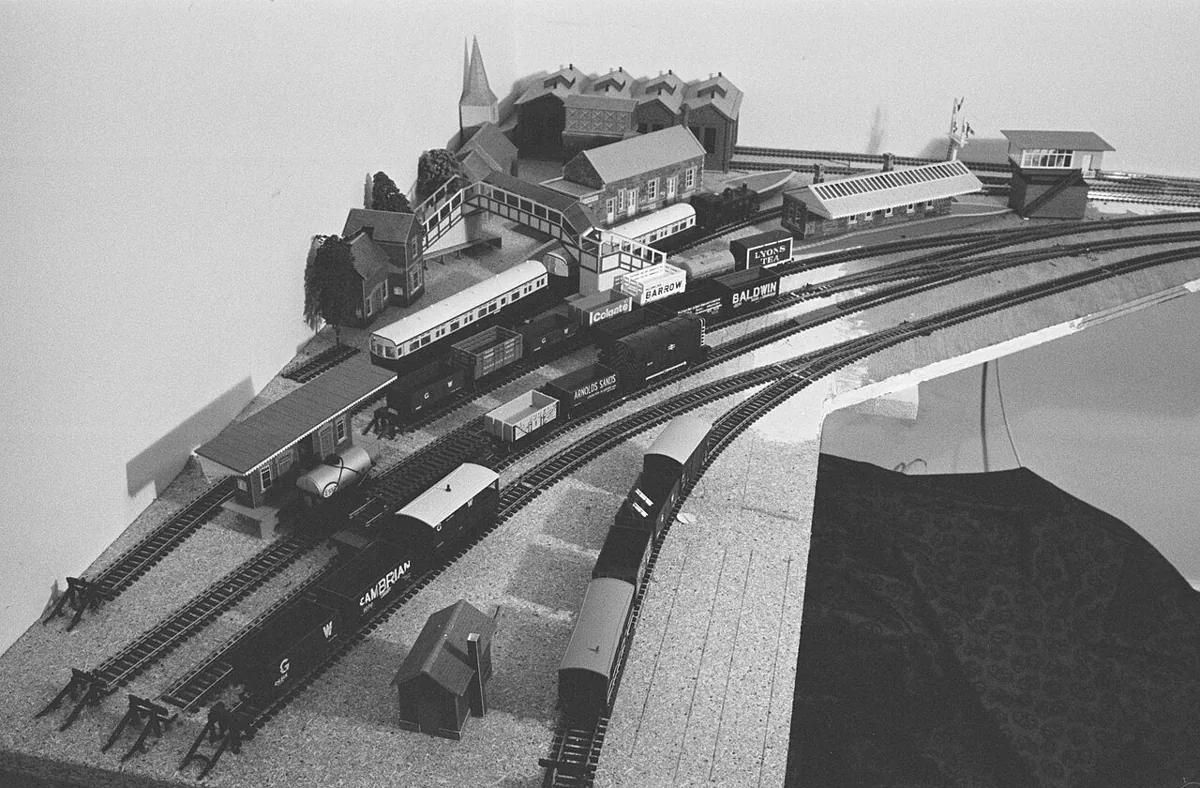
An archival layout view shows the relationship between operating edge and distant track.

The track you cannot reach is part of the design

Layout Craft

Locate maintenance access before adding scenery.

4 min read
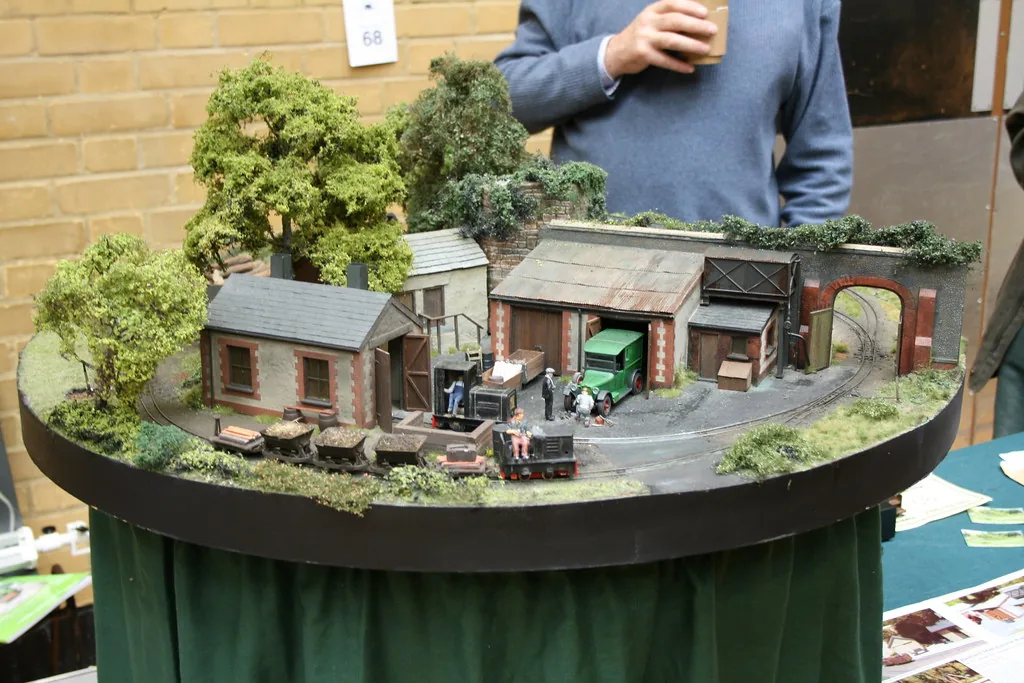
An exhibition scene illustrates a layout section; its transport method and separability are not established by this photograph.

Design a layout for the journey out of the room

Layout Craft

Decide transport boundaries before construction.

4 min read
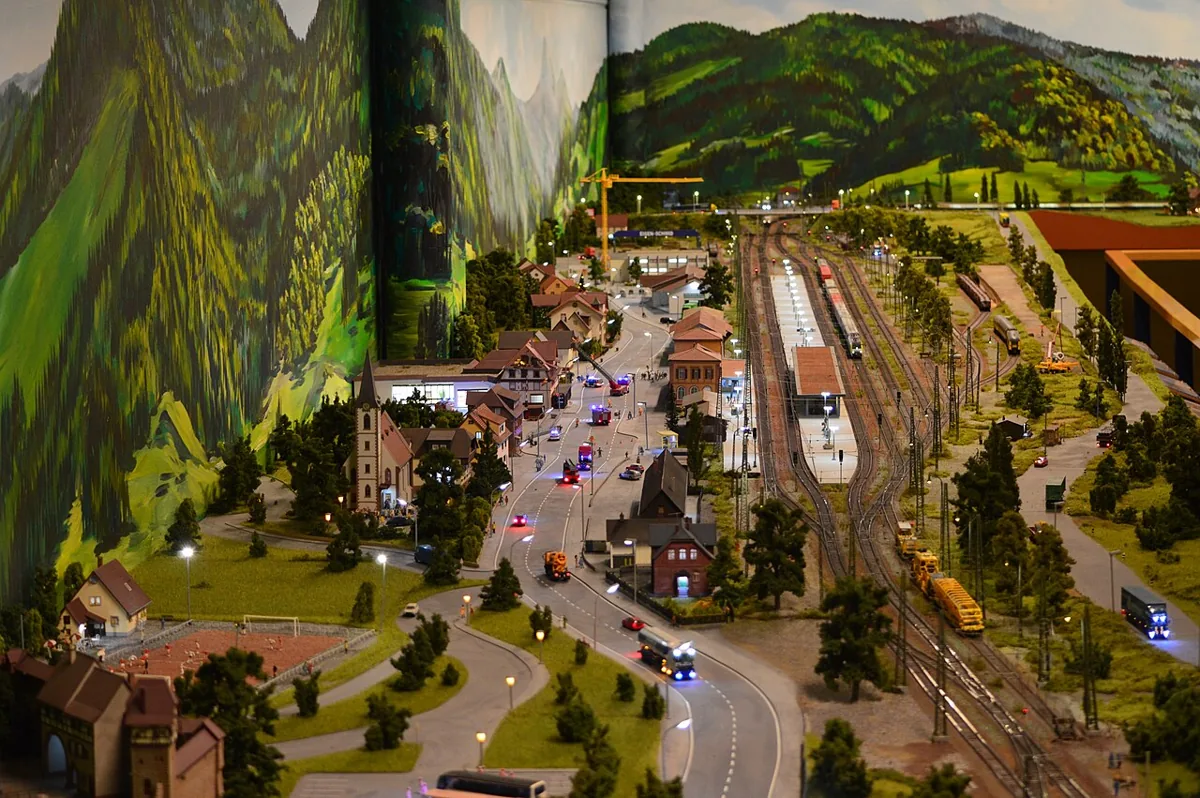
A model station and its surroundings illustrate the footprint beyond the platform.

A station needs more than a platform

Layout Craft

Allocate station space with buildings and circulation.

4 min read
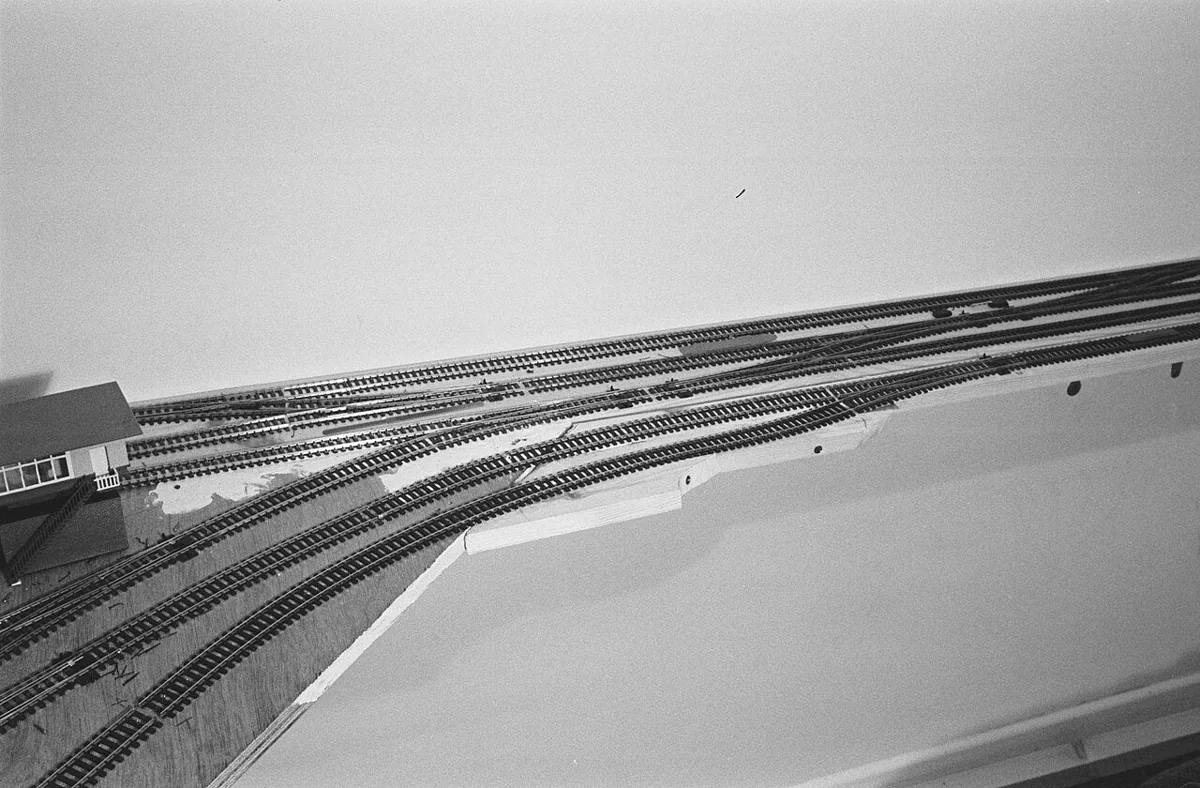
An archival view of incomplete track illustrates a construction stage before scenery.

Build a useful first stage, not half a whole railway

Layout Craft

Phase a layout so each stage can be used.

4 min read
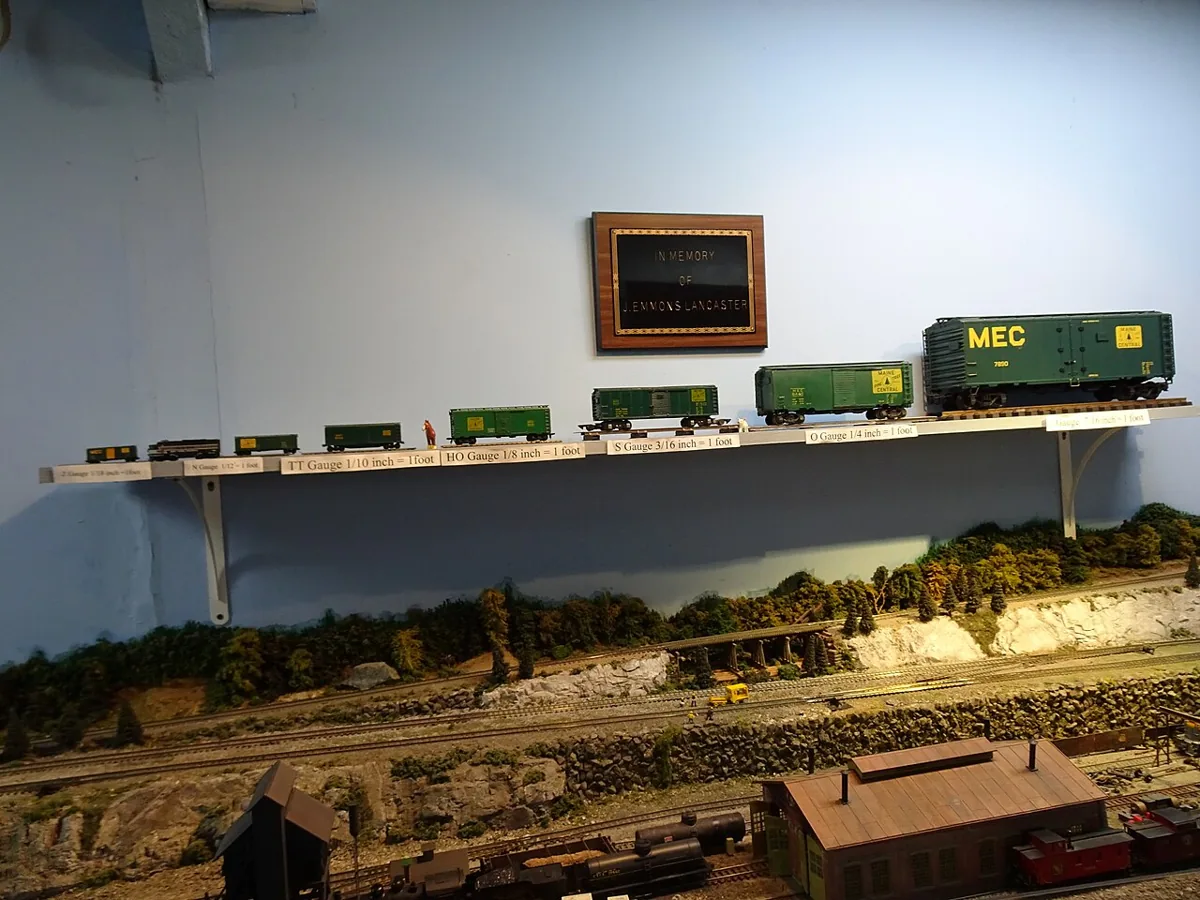
Displayed toy trains of different sizes illustrate why scale and gauge need separate records.

Scale and gauge answer different questions

Scale & Standards

Read the two measures without confusing them.

4 min read
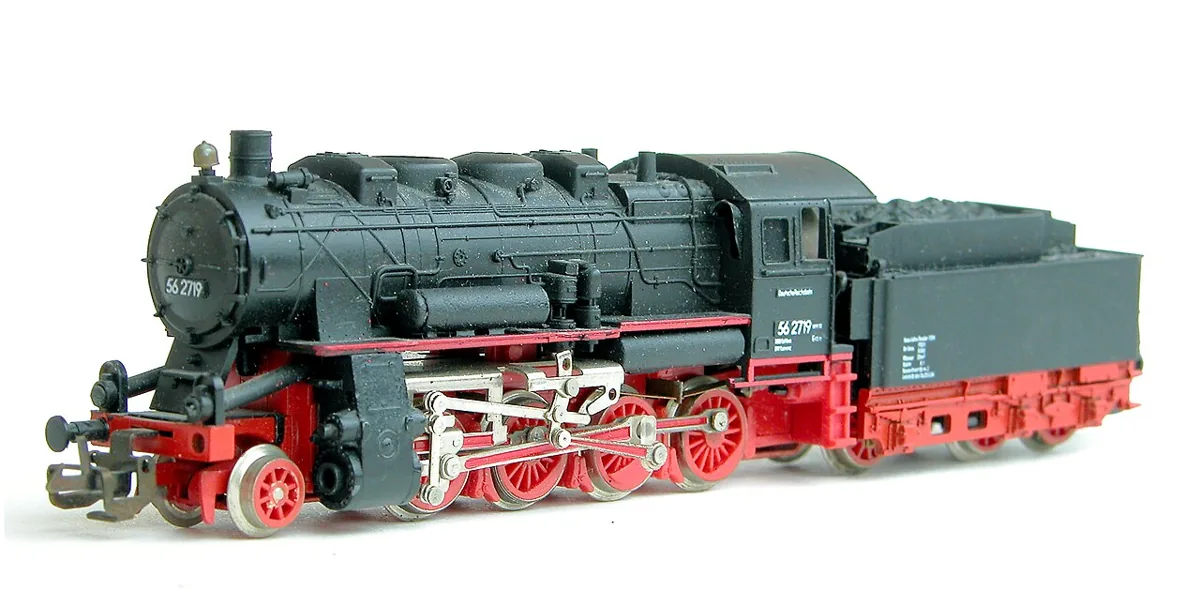
A TT locomotive model provides a concrete size choice to compare with a planned scene.

Choose a scale by the work you enjoy

Scale & Standards

Compare scales against tasks rather than popularity.

4 min read
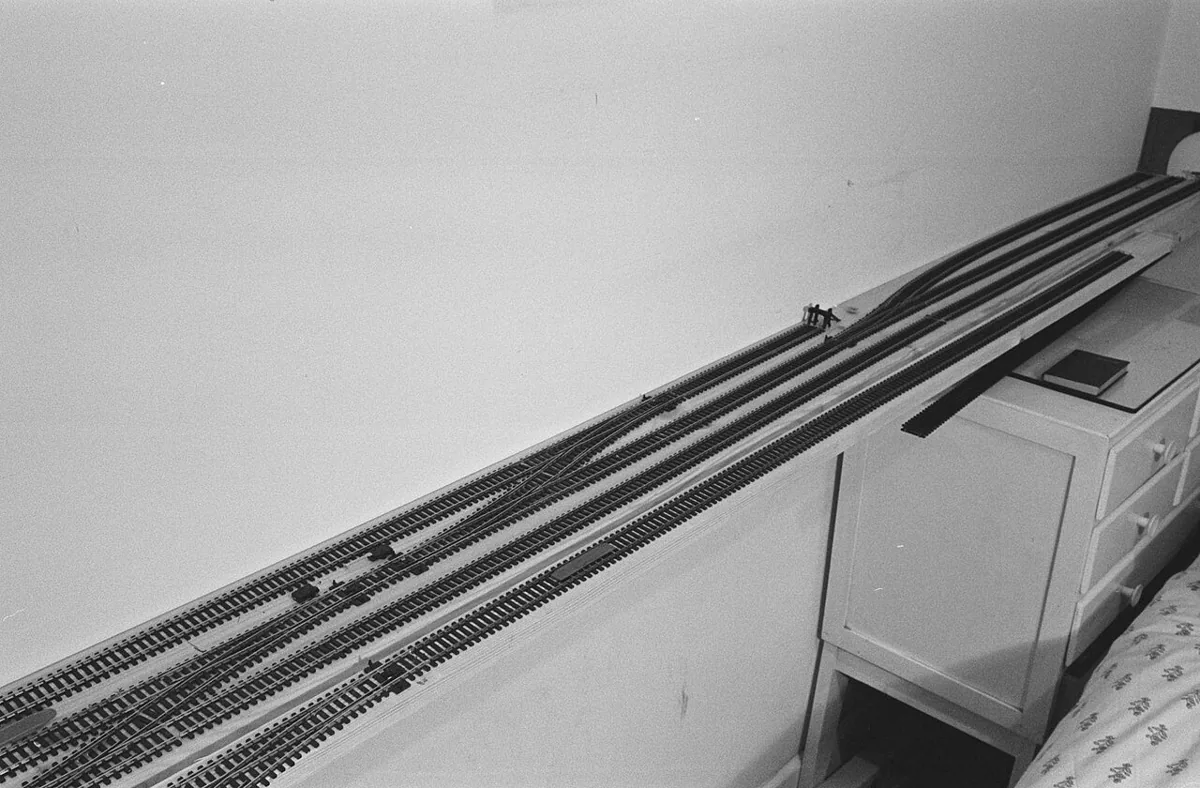
An archival track view illustrates the physical details for which applicable technical documents matter.

How to read a model railway standard

Scale & Standards

Find the applicable document and distinguish advice from requirements.

4 min read
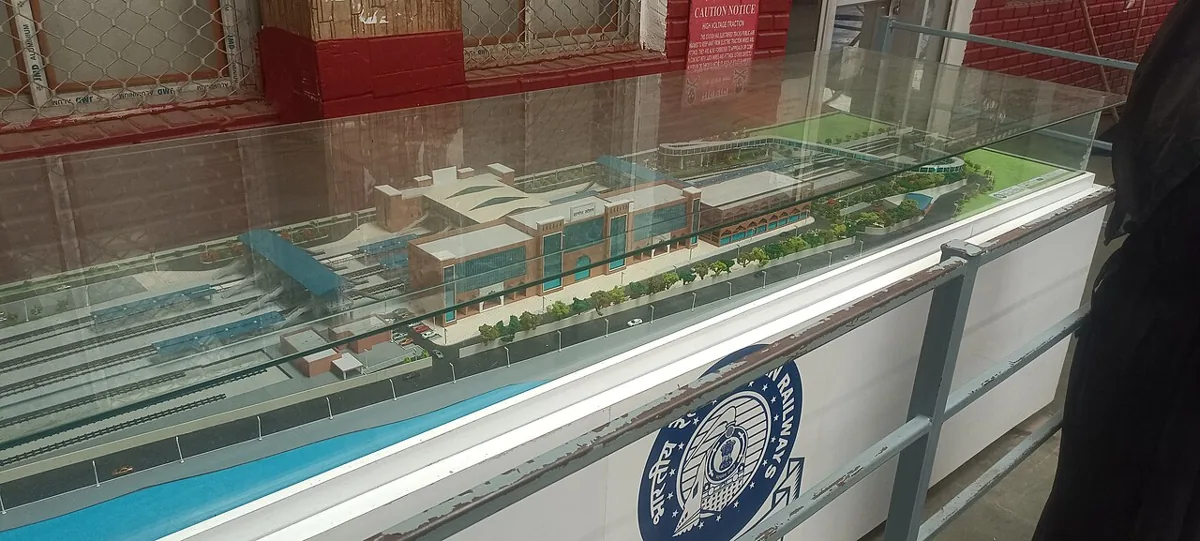
A station model illustrates architectural dimensions that require consistent conversion.

From full size to model size without guessing

Scale & Standards

Convert prototype dimensions consistently.

4 min read
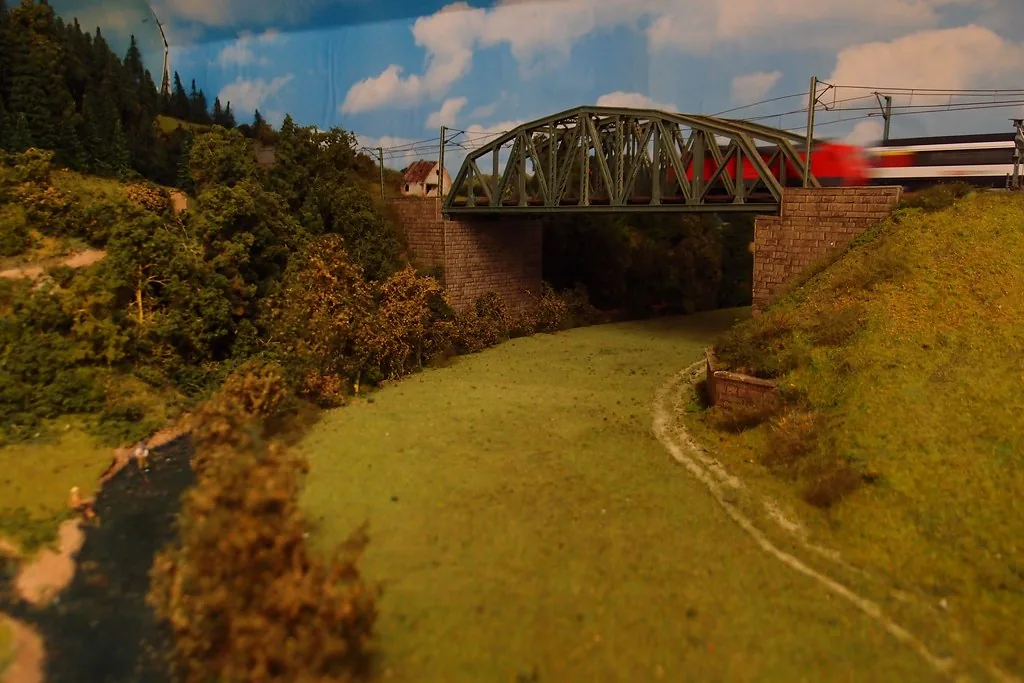
A model bridge and passing train illustrate the clearance relationship between vehicle and scenery.

The space around a train matters too

Scale & Standards

Understand why body clearance exceeds track gauge.

4 min read
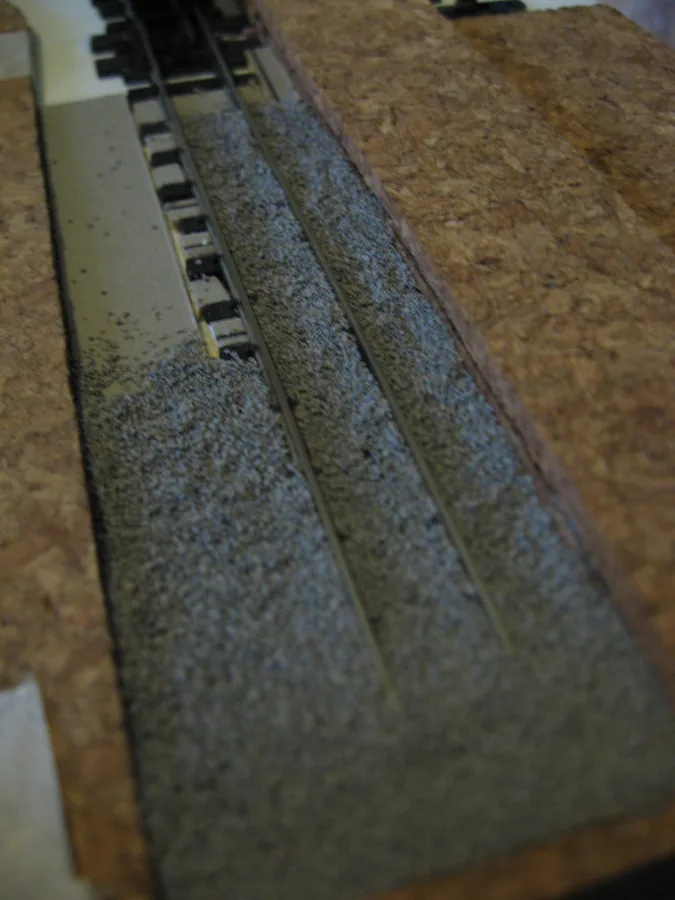
Model track being ballasted shows the rail and support surfaces that need to remain distinct.

Track code is a height, not a scale

Scale & Standards

Understand rail code when combining track.

4 min read
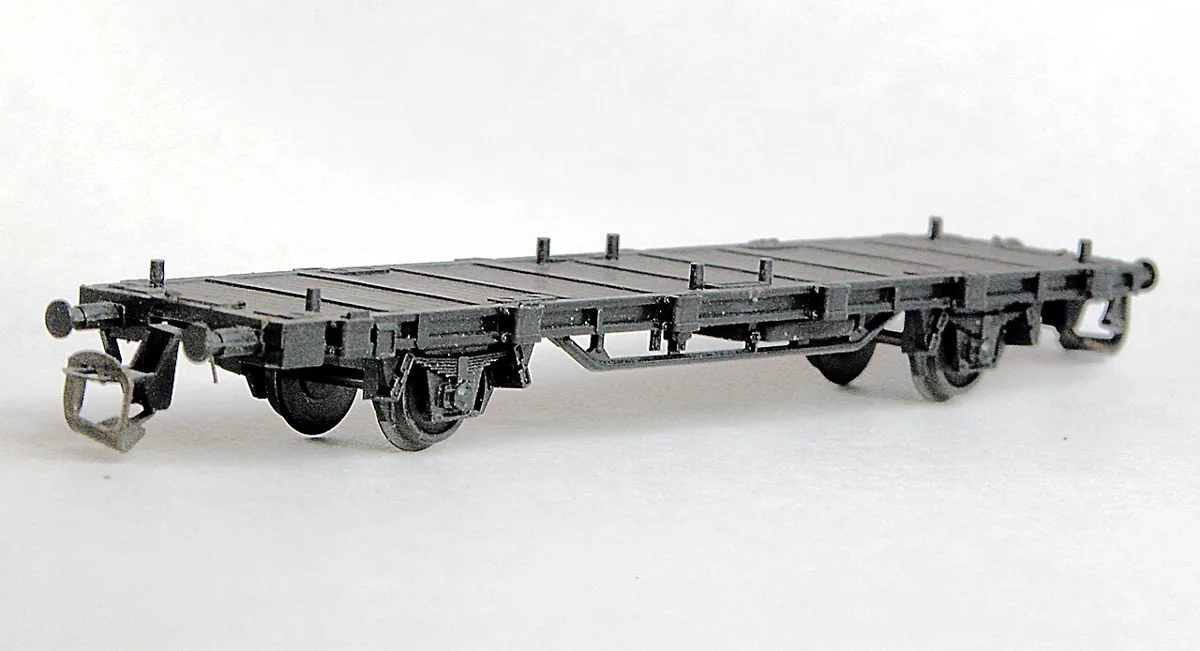
An isolated model wagon chassis makes wheels and running gear visible for inspection.

A wheel check before a track rebuild

Scale & Standards

Triage vehicle-specific derailments without prescribing blind adjustments.

4 min read
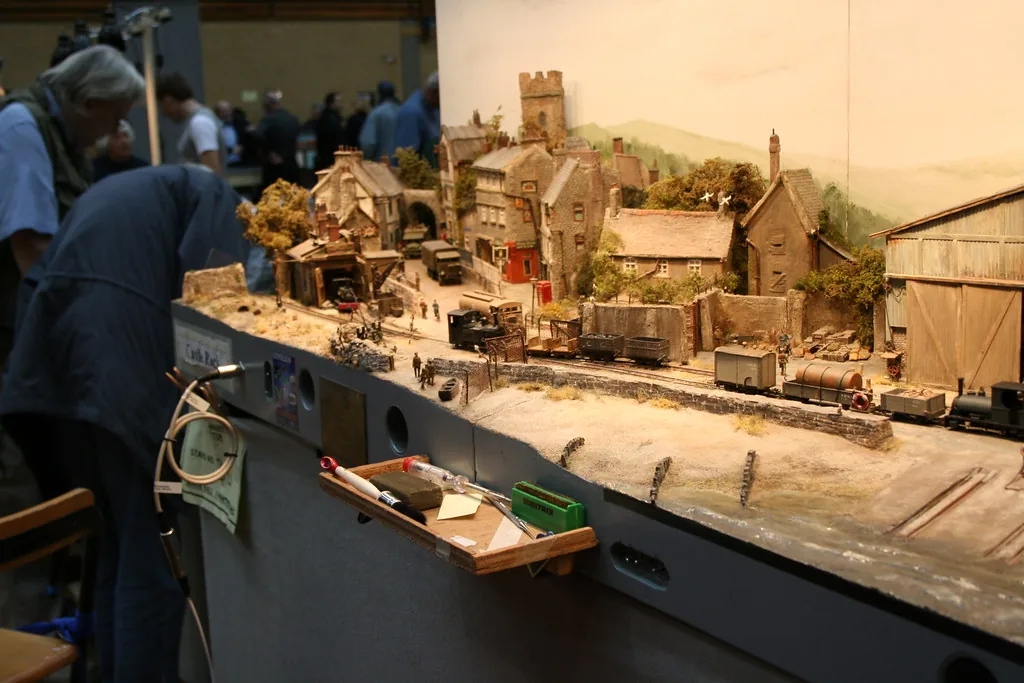
An exhibition layout provides visual context for interface planning; this photograph does not verify a modular construction system.

A module joins more than two pieces of wood

Scale & Standards

Define a club interface before building a module.

4 min read
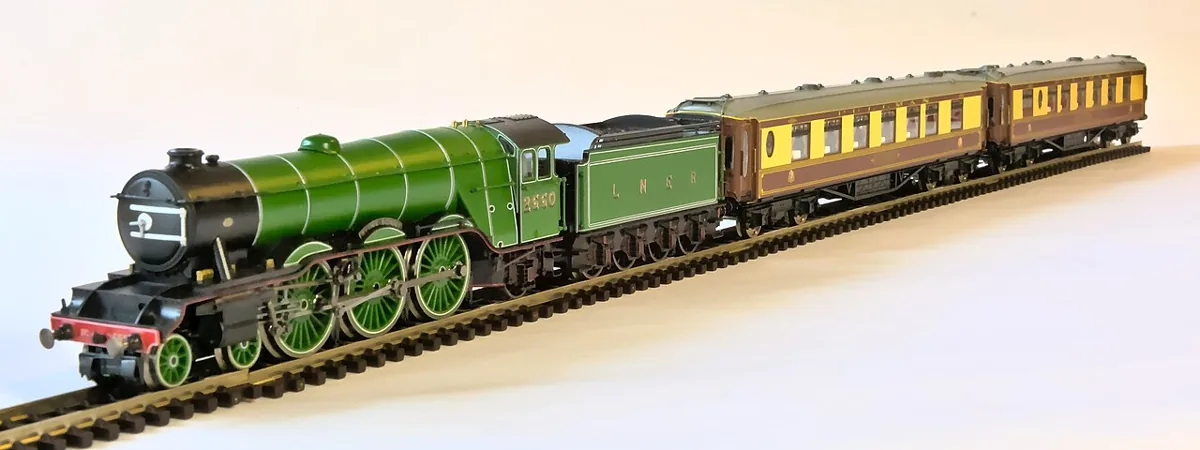
A TT locomotive and coaches illustrate a proposed model combination requiring compatibility checks.

Make a compatibility card before buying rolling stock

Scale & Standards

Record what a model must match.

4 min read
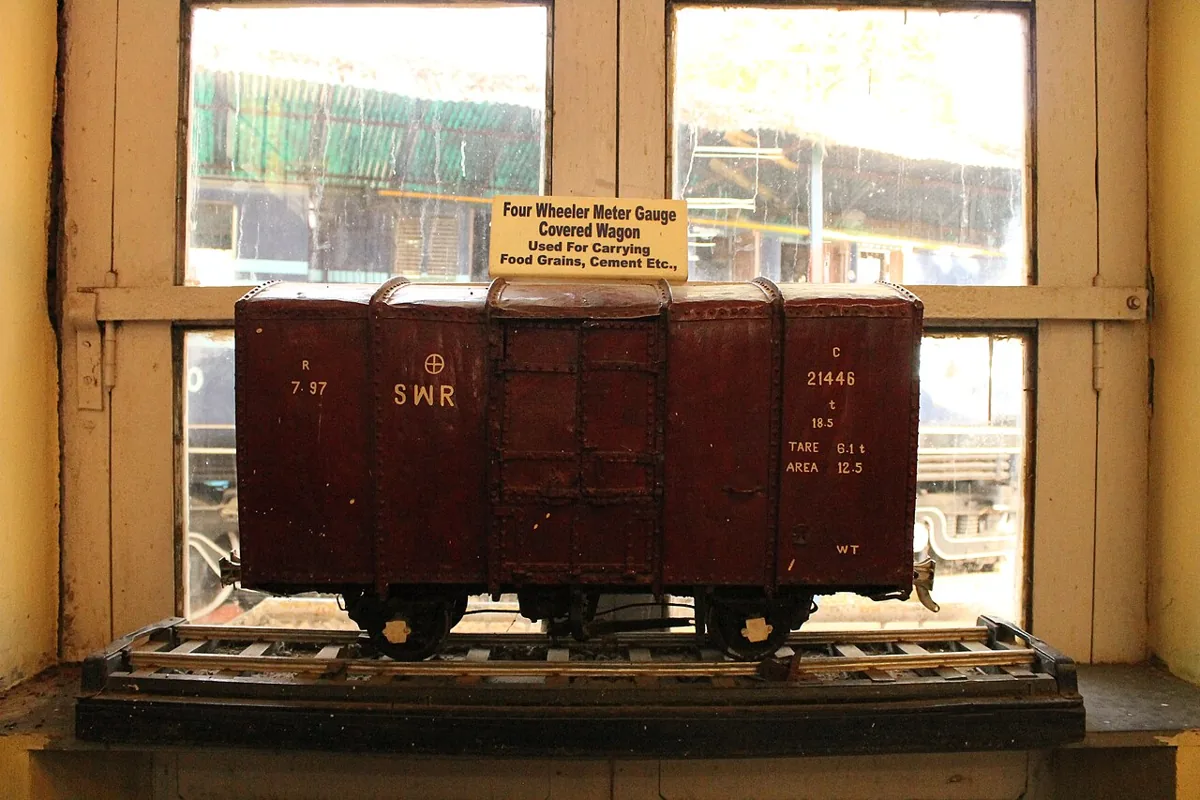
A museum model of a metre-gauge freight wagon provides an object for careful feature observation.

Learn to read a railway vehicle as a model

Rolling Stock

Observe function before adding detail.

4 min read
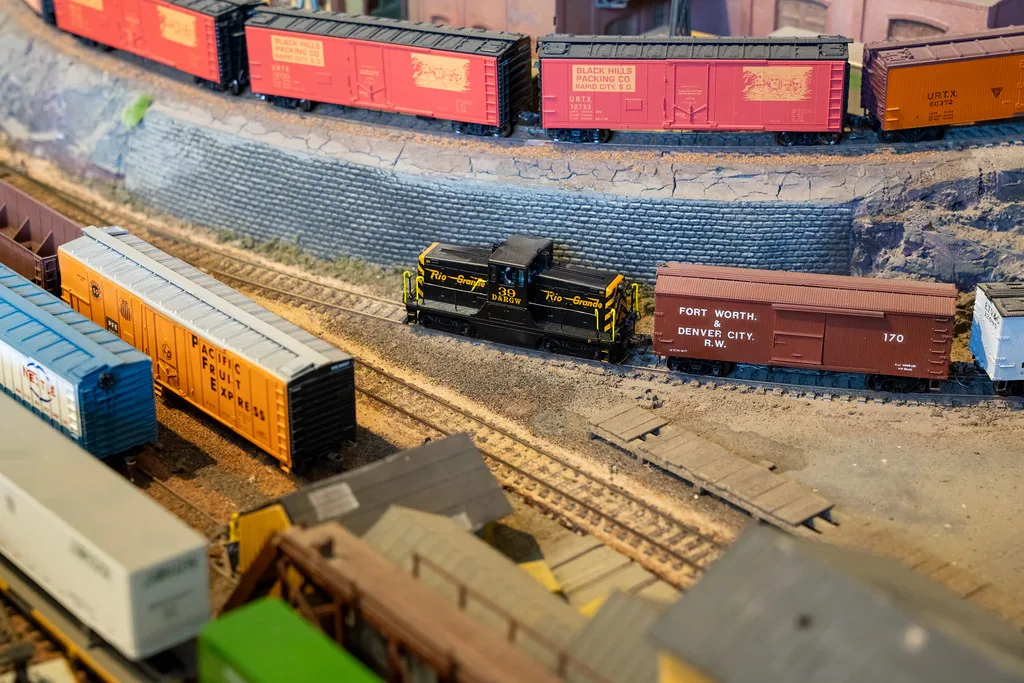
Model freight cars at a customer illustrate equipment selected around operating purpose.

Build a roster that has a job to do

Rolling Stock

Choose vehicles for an operating concept.

4 min read
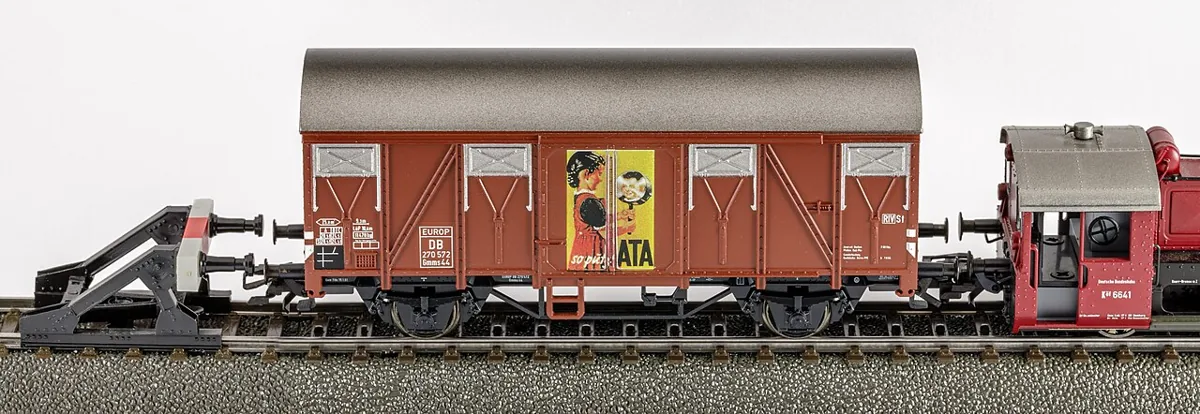
A model goods van and loading equipment illustrate a relationship between cargo and customer.

Match a freight car to the place it serves

Rolling Stock

Link model industries to believable traffic.

4 min read
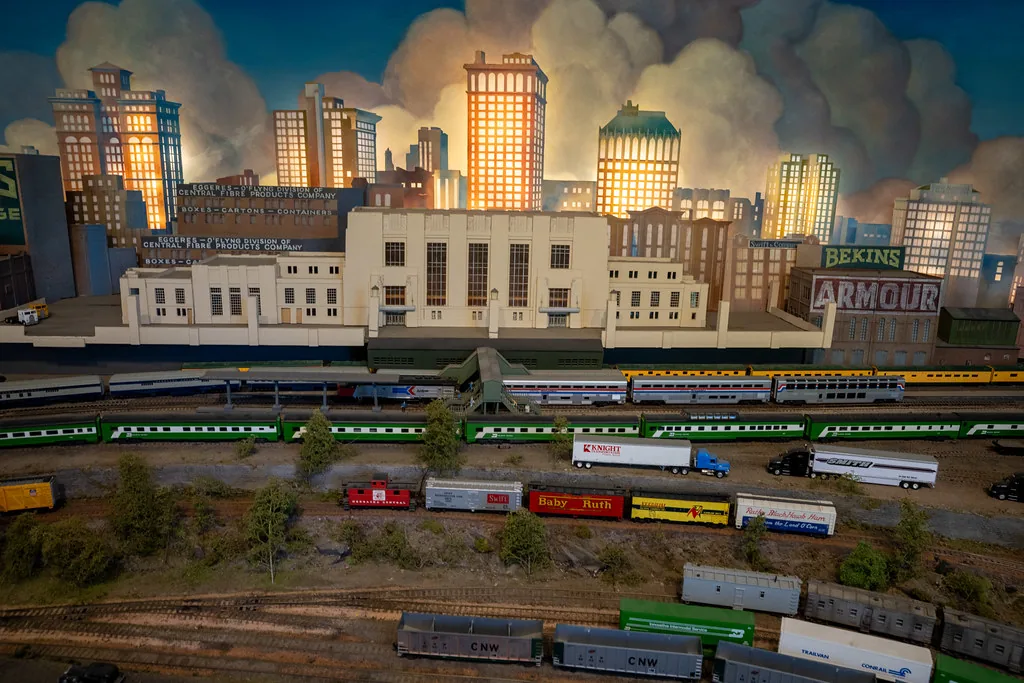
A passenger train in a model station illustrates train length within a wider scene.

Long coaches change the whole scene

Rolling Stock

Assess passenger train length beyond platform appearance.

4 min read
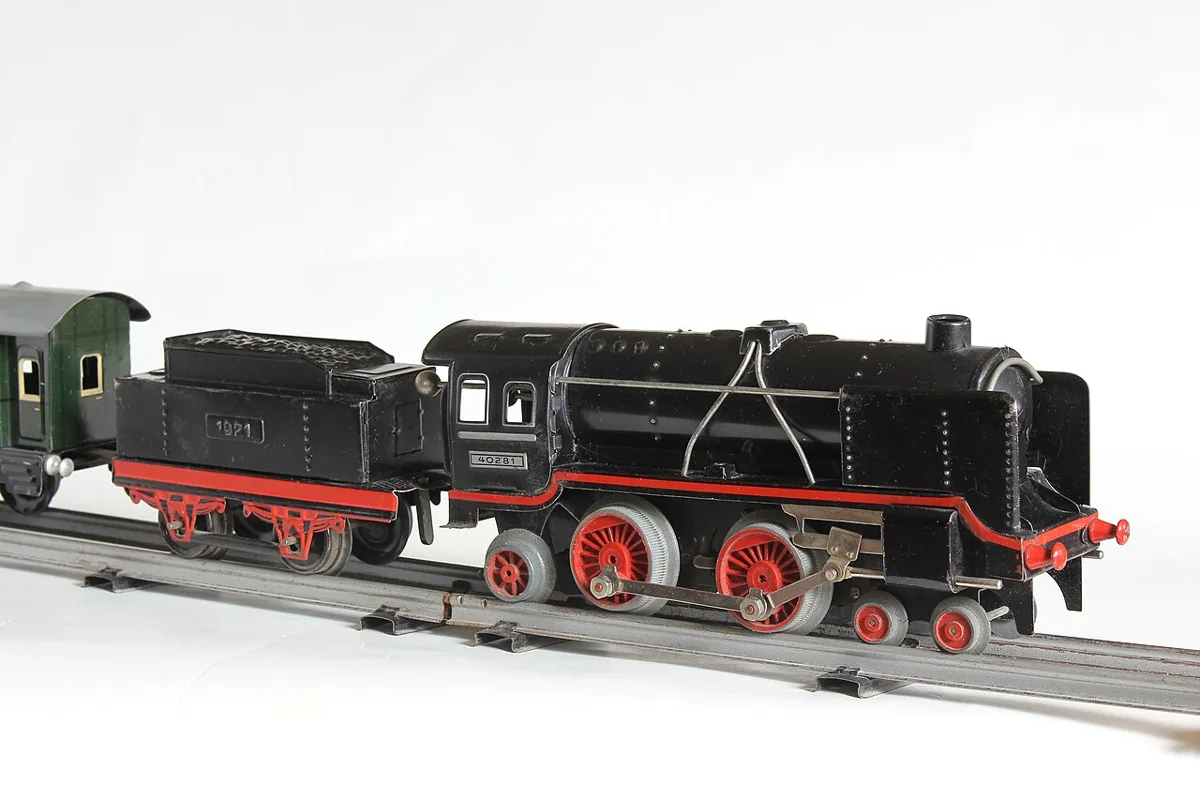
A documented vintage toy locomotive illustrates why manufacturing context and appearance differ.

Date a scene with evidence, not a paint scheme

Rolling Stock

Check whether vehicles and setting belong together.

4 min read
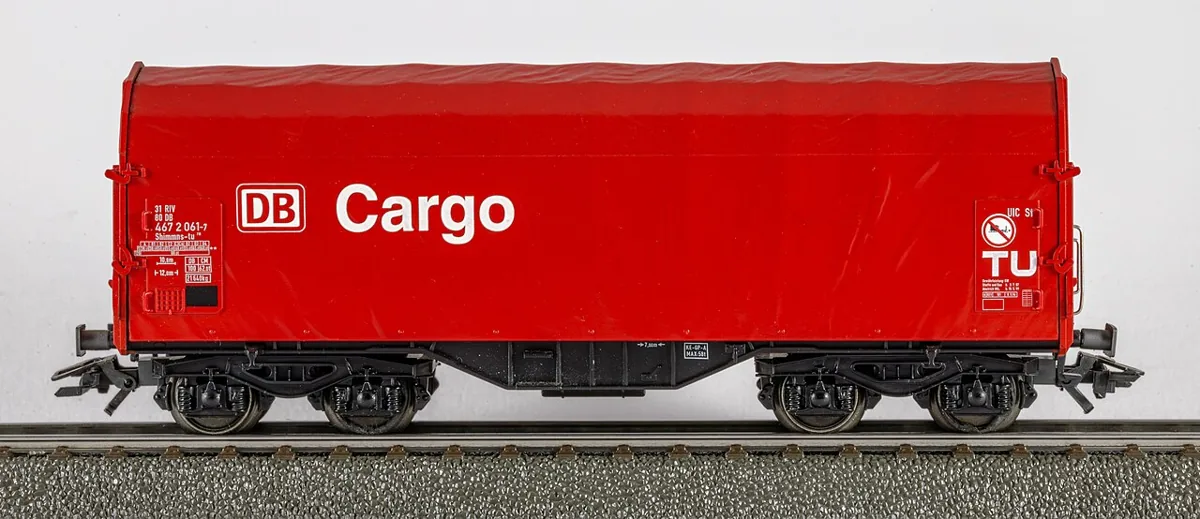
A model freight wagon offers visible panels and exposed surfaces for a weathering plan.

Map the dirt before opening the paint

Rolling Stock

Plan weathering as a response to use and environment.

4 min read
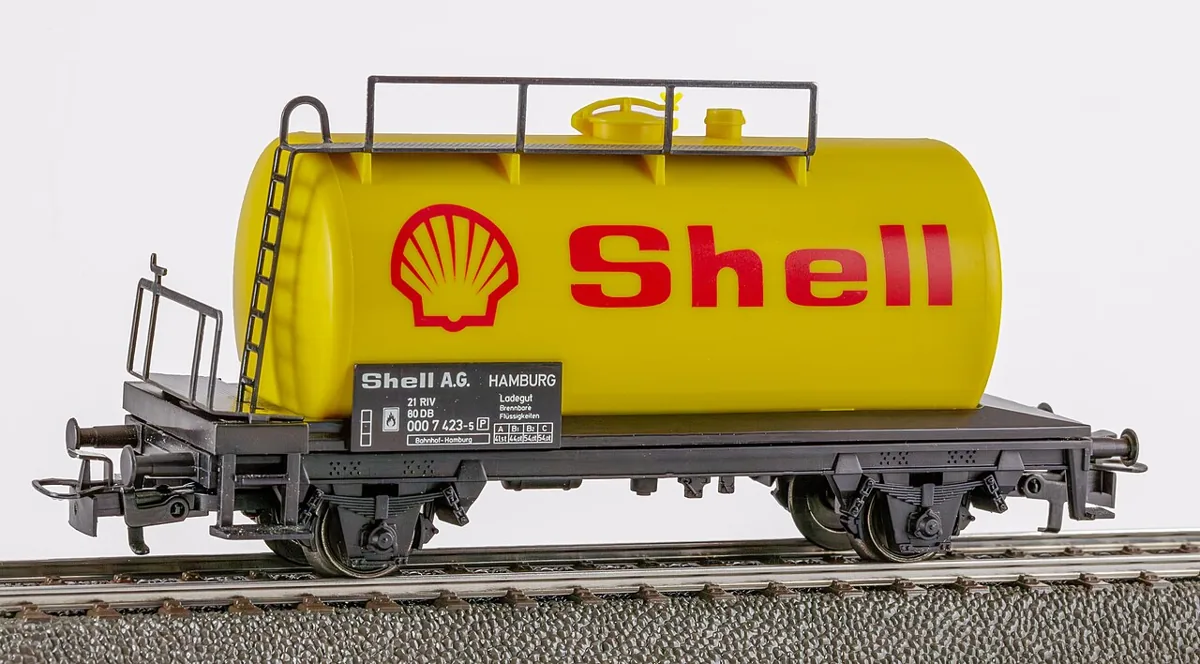
A model tank wagon offers a discrete object whose visible condition can be recorded.

Keep a condition record for each model

Rolling Stock

Separate known defects from later changes.

4 min read
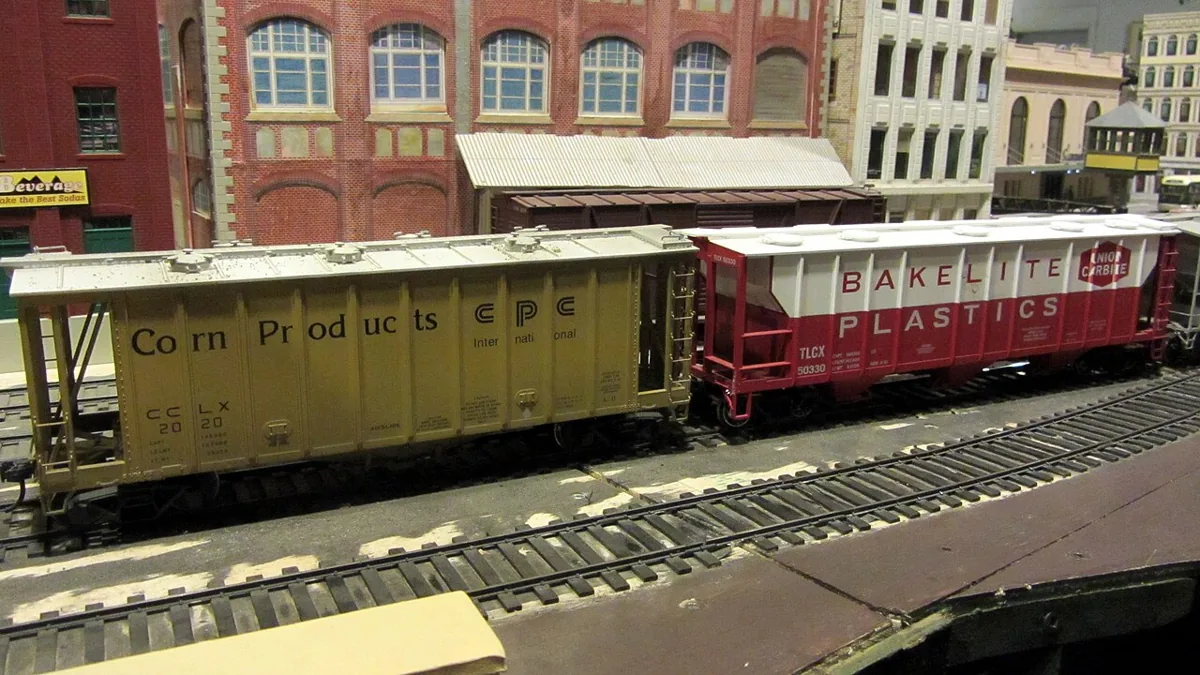
Coupled model freight cars illustrate a connection used within an operating train.

A coupling is part of the operating plan

Rolling Stock

Evaluate coupling choices for the required movements.

4 min read
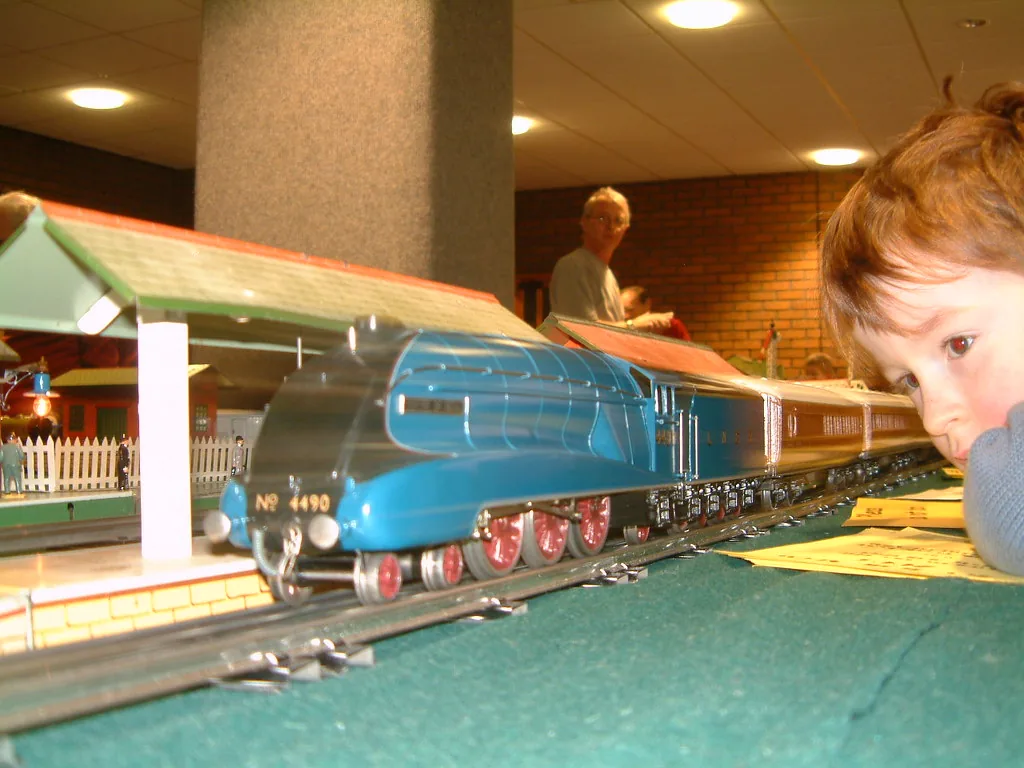
A modeller handling a locomotive illustrates careful familiarisation with model equipment.

Bring a new model into service methodically

Rolling Stock

Establish a baseline before modifications.

4 min read
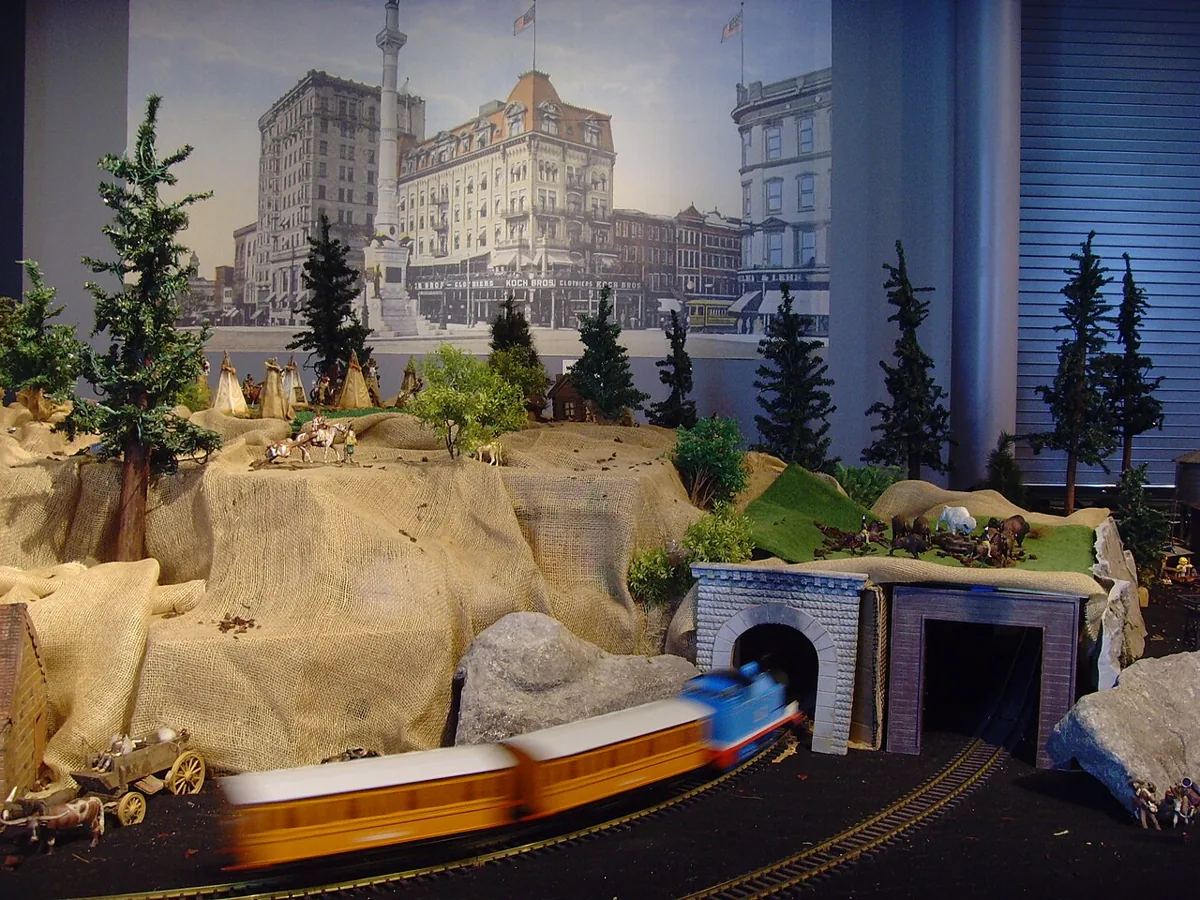
A railway passing through modelled terrain illustrates a coherent landform and route.

Let the land explain the railway

Scenery Workshop

Plan landforms before scattering scenic details.

4 min read
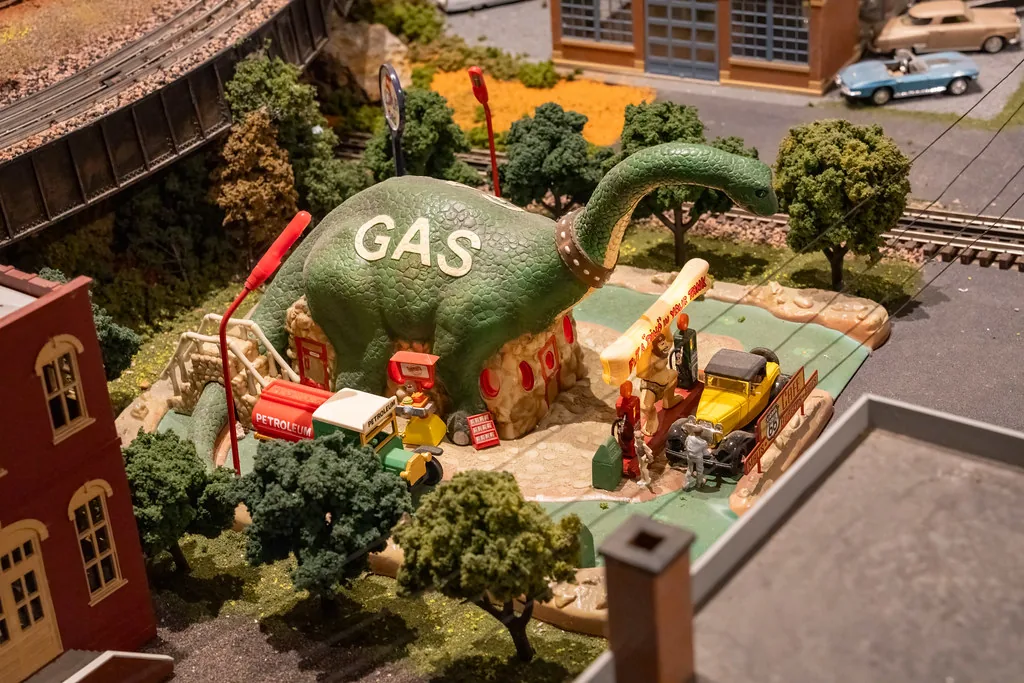
A compact model roadside scene illustrates one clearly framed activity.

Give a small scene one clear subject

Scenery Workshop

Compose a compact diorama without clutter.

4 min read
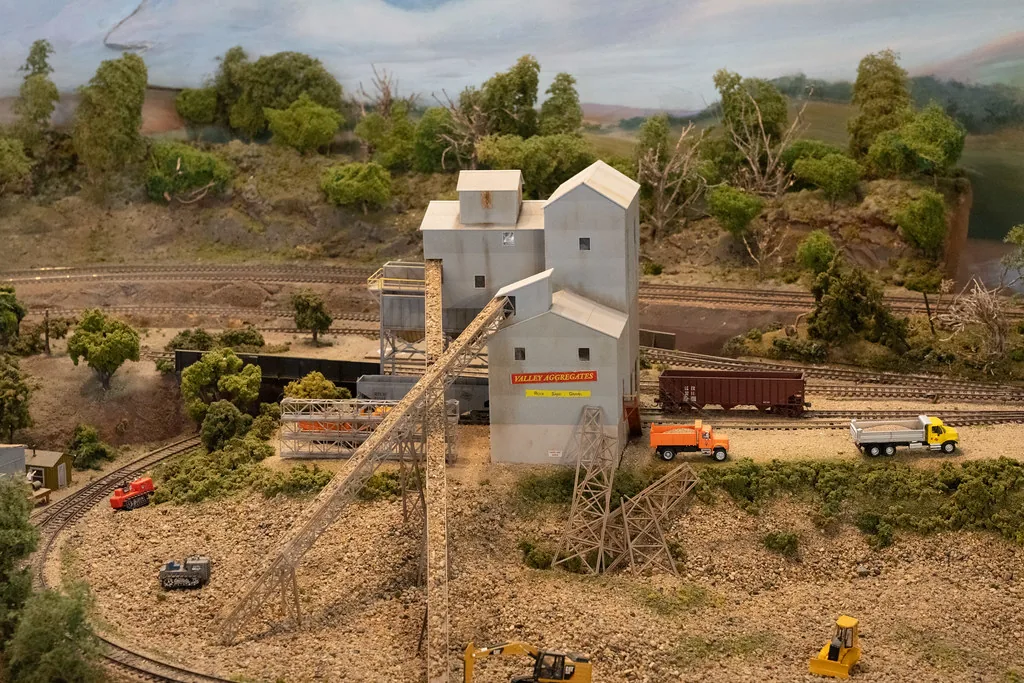
A model industrial building and ground illustrate different surface zones.

Build the ground in readable layers

Scenery Workshop

Make ground cover vary with land use.

4 min read
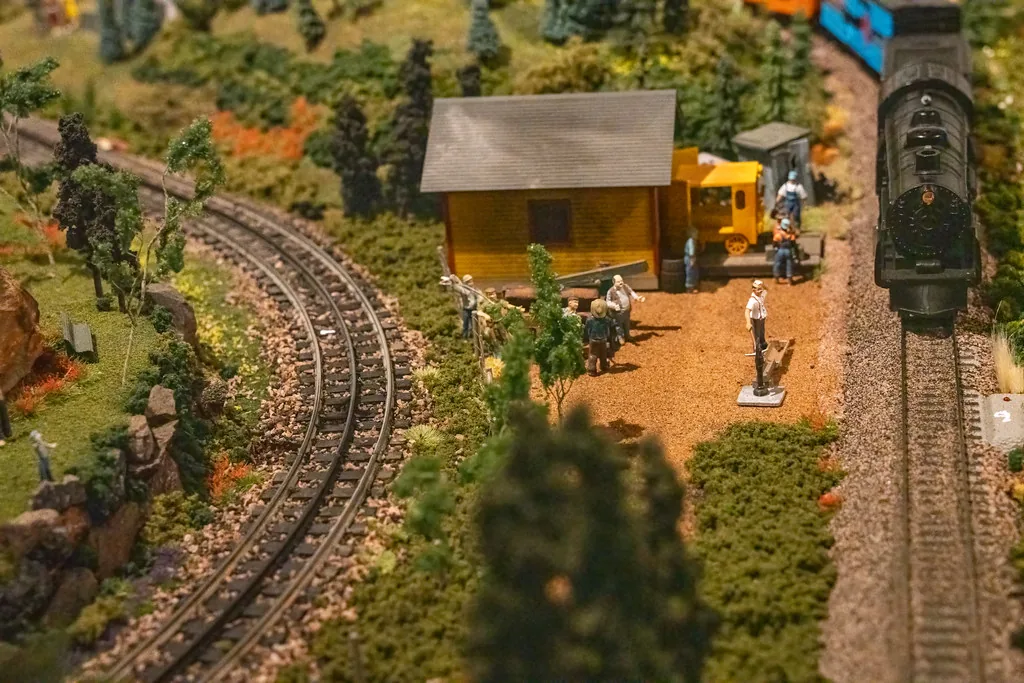
Model trees around a country railway illustrate canopy groups and sightlines.

Place trees as a landscape, not a collection

Scenery Workshop

Plan tree groups around scale, sightlines and access.

4 min read
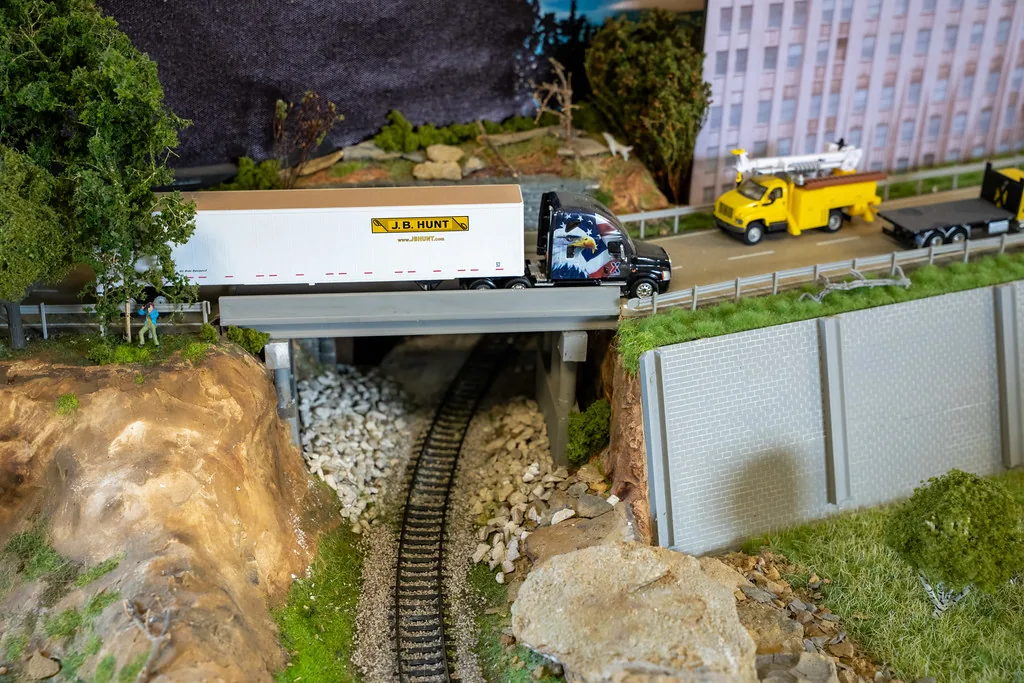
A miniature road and vehicles illustrate circulation through a scenic area.

Make roads arrive somewhere believable

Scenery Workshop

Connect roads and yards to buildings.

4 min read
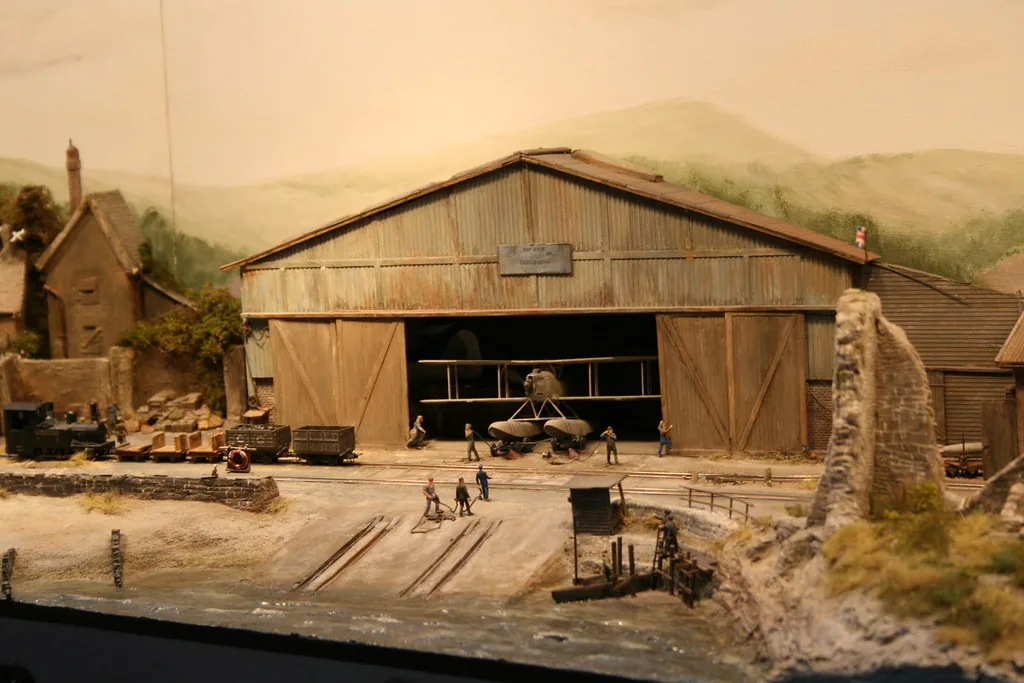
A model shed and working yard illustrate a building integrated with its surrounding ground.

Give a building the ground it needs

Scenery Workshop

Integrate a structure instead of placing it on top.

4 min read
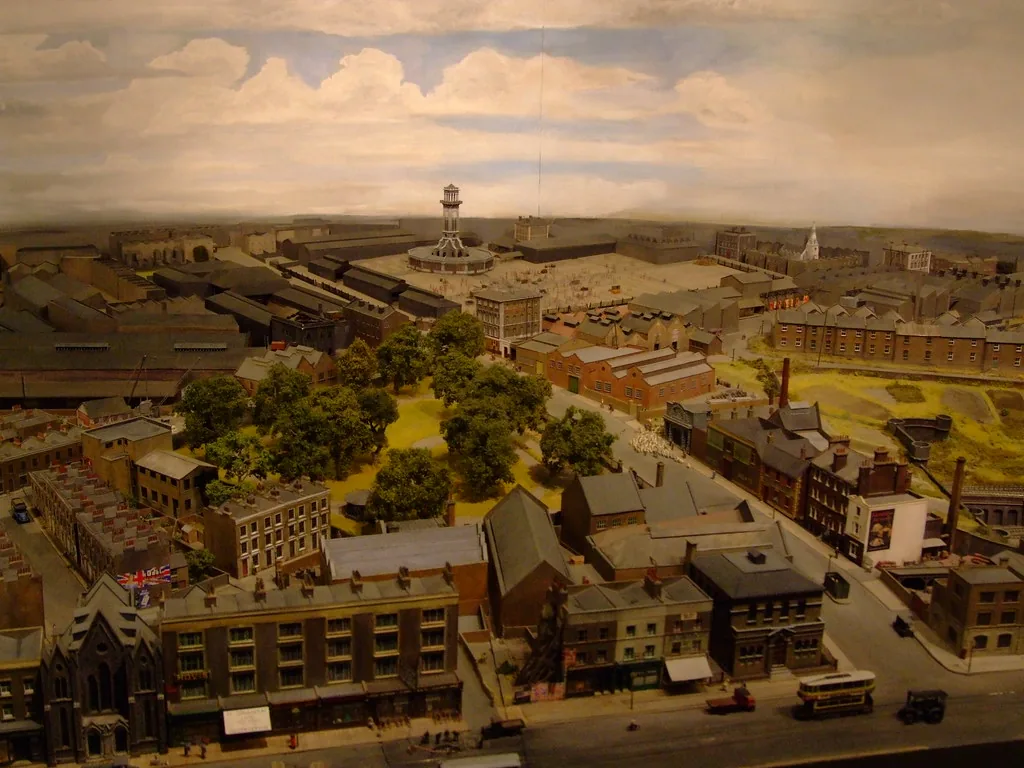
A model city and distant backdrop illustrate the transition from physical scene to implied distance.

Where the model ends and the distance begins

Scenery Workshop

Manage transitions between three dimensions and backdrop.

4 min read
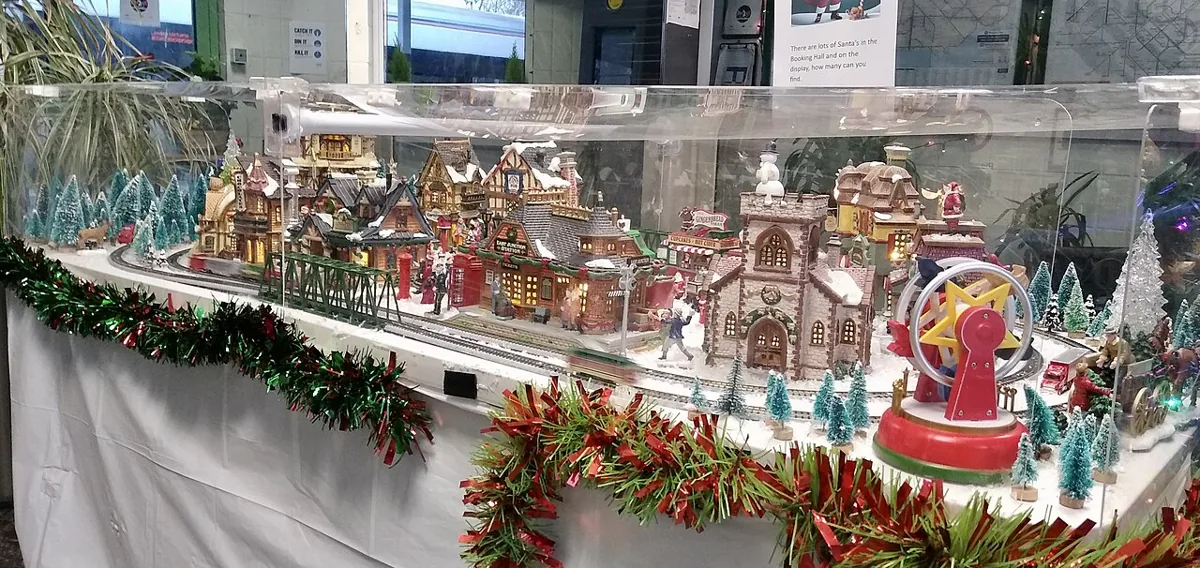
A seasonal model railway display illustrates colour cues that need a coherent interpretation.

Choose a season across the whole scene

Scenery Workshop

Keep foliage and ground colours consistent.

4 min read
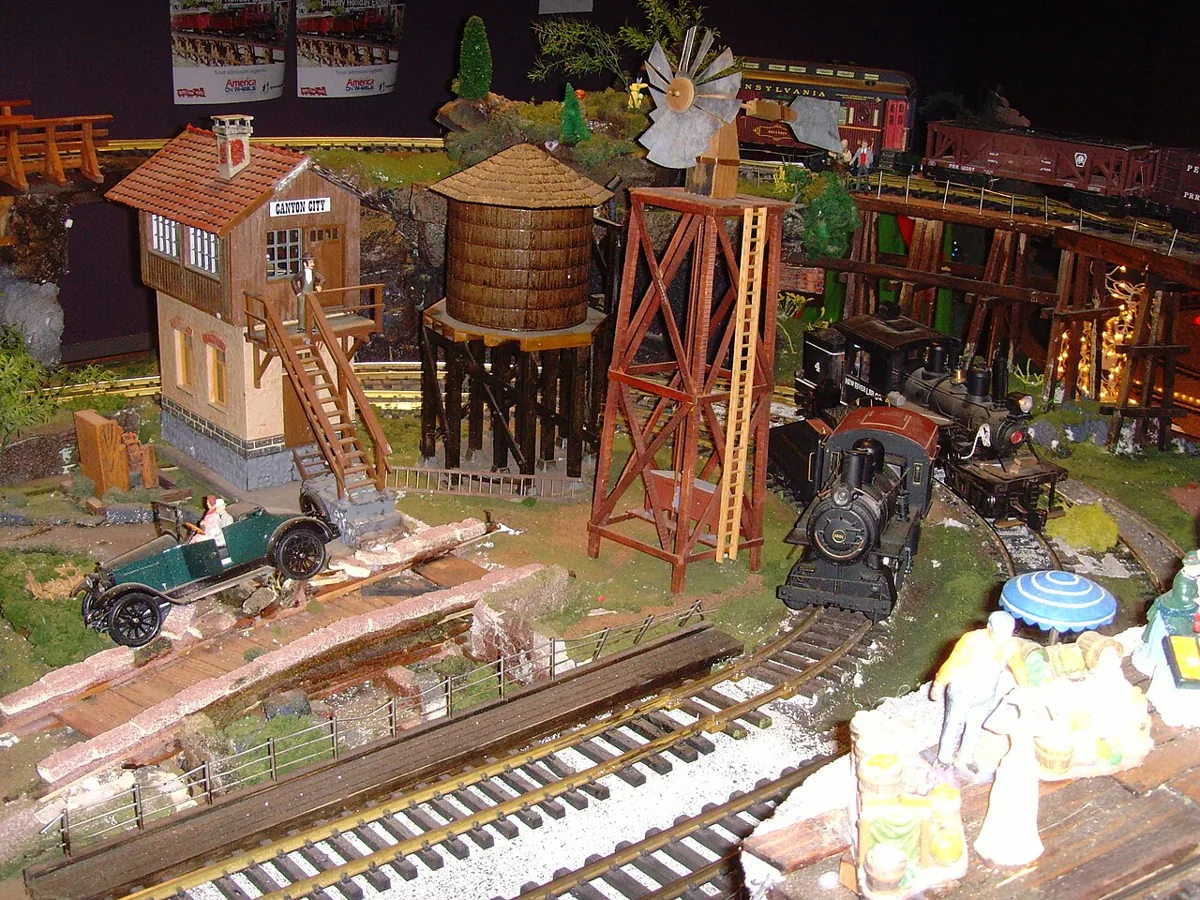
A completed miniature worksite illustrates the scenic layers a separate sample can help plan; no test board is depicted.

Make a scenery test board worth keeping

Scenery Workshop

Compare materials before treating the layout.

4 min read
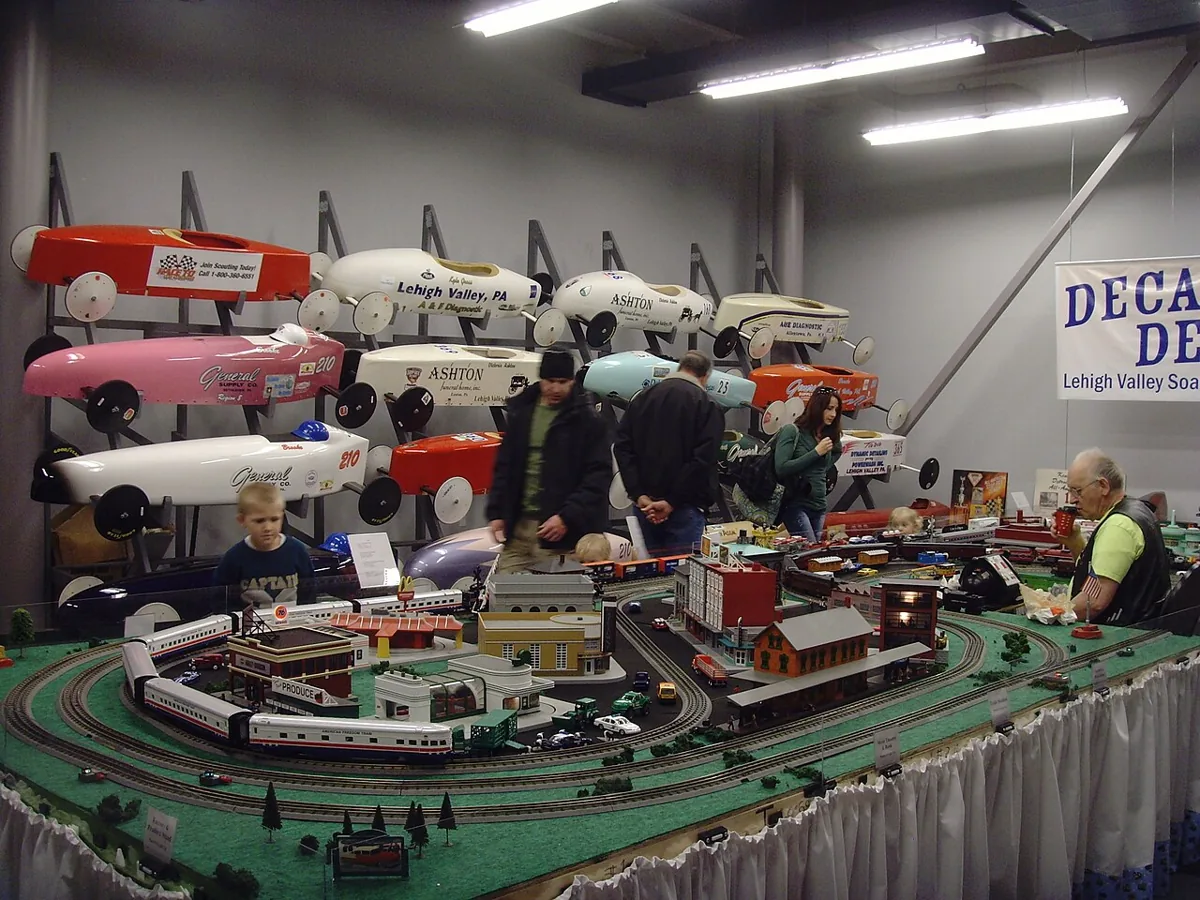
A public model display illustrates the setting for an observation-focused exhibition visit.

Visit a model railway exhibition with better questions

Club & Collection

Learn from an exhibition without interrupting operators.

4 min read
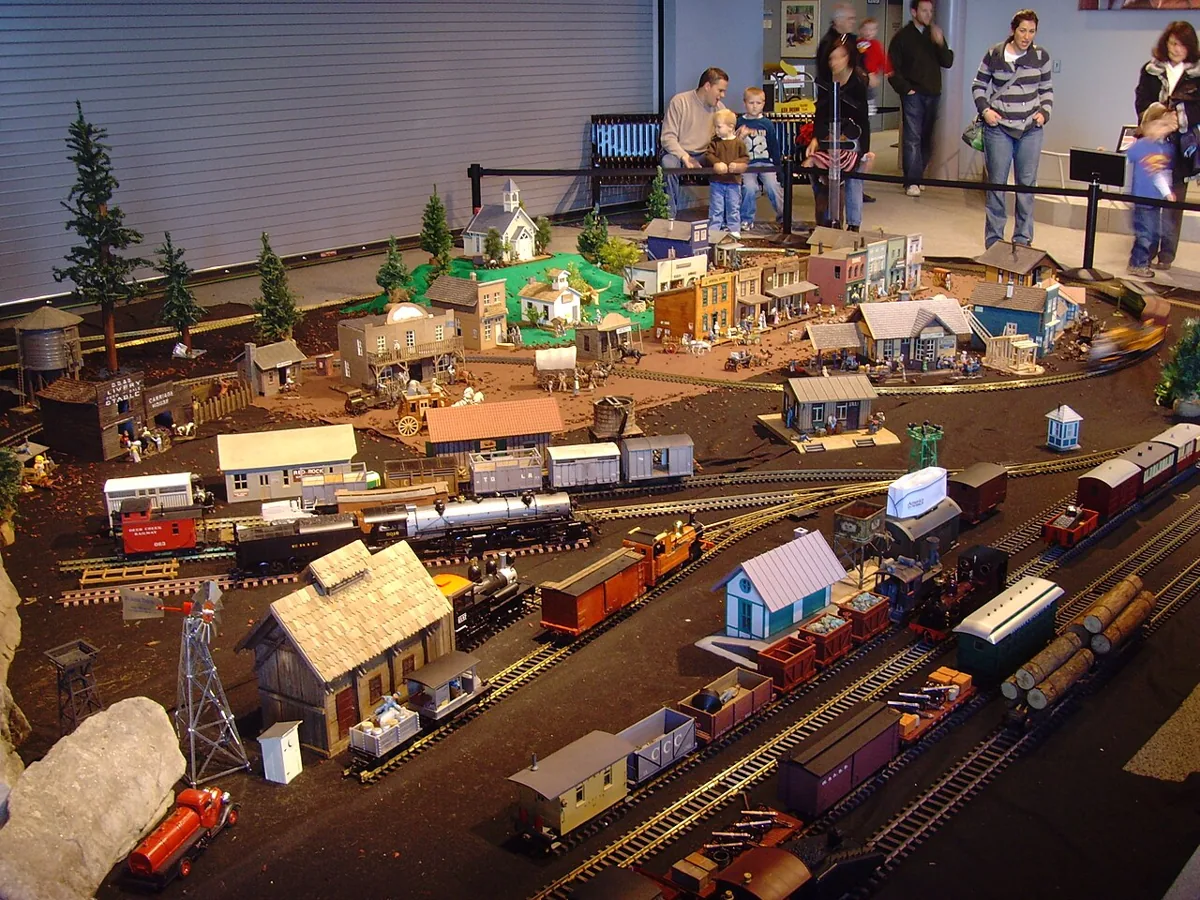
A public miniature railway display illustrates the shared presentation that may prompt club questions.

What to ask on your first model railway club visit

Club & Collection

Find out how a club works before joining.

4 min read
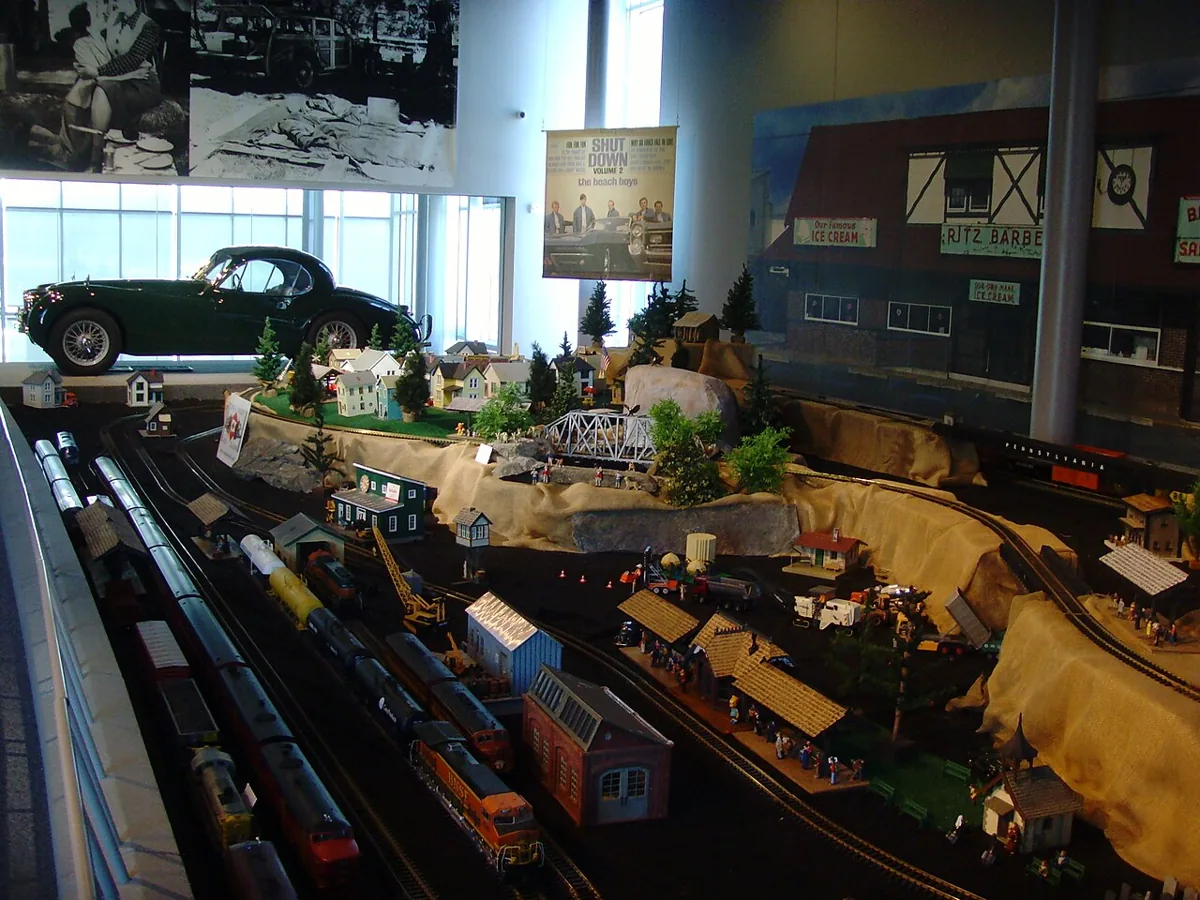
An exhibition layout provides context for coordinating scenic and operating tasks; its actual team structure is not established here.

Make a shared module project easier to finish

Club & Collection

Coordinate contributors without incompatible work.

4 min read
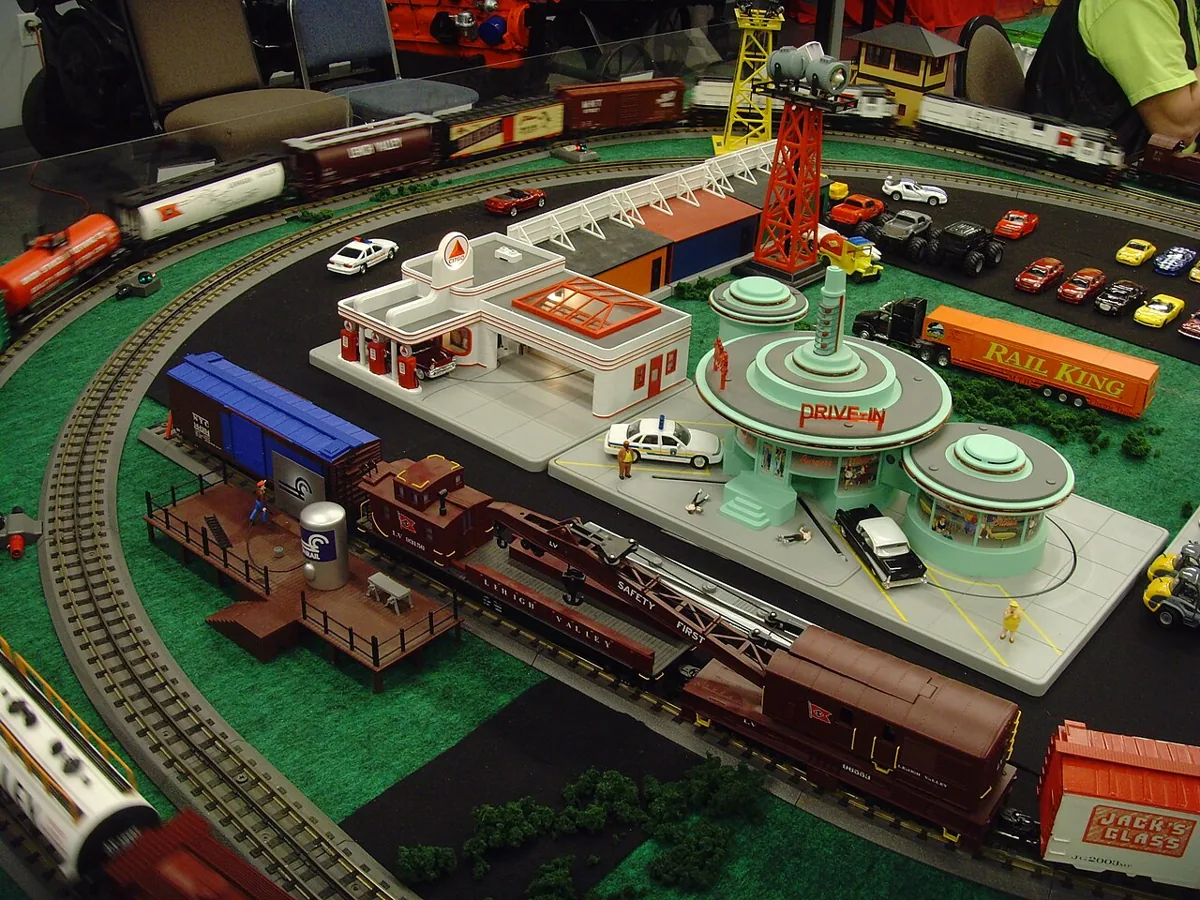
A displayed collection of toy trains illustrates objects that benefit from stable catalogue identifiers.

Build a catalogue you will actually maintain

Club & Collection

Find a model and its documentation later.

4 min read
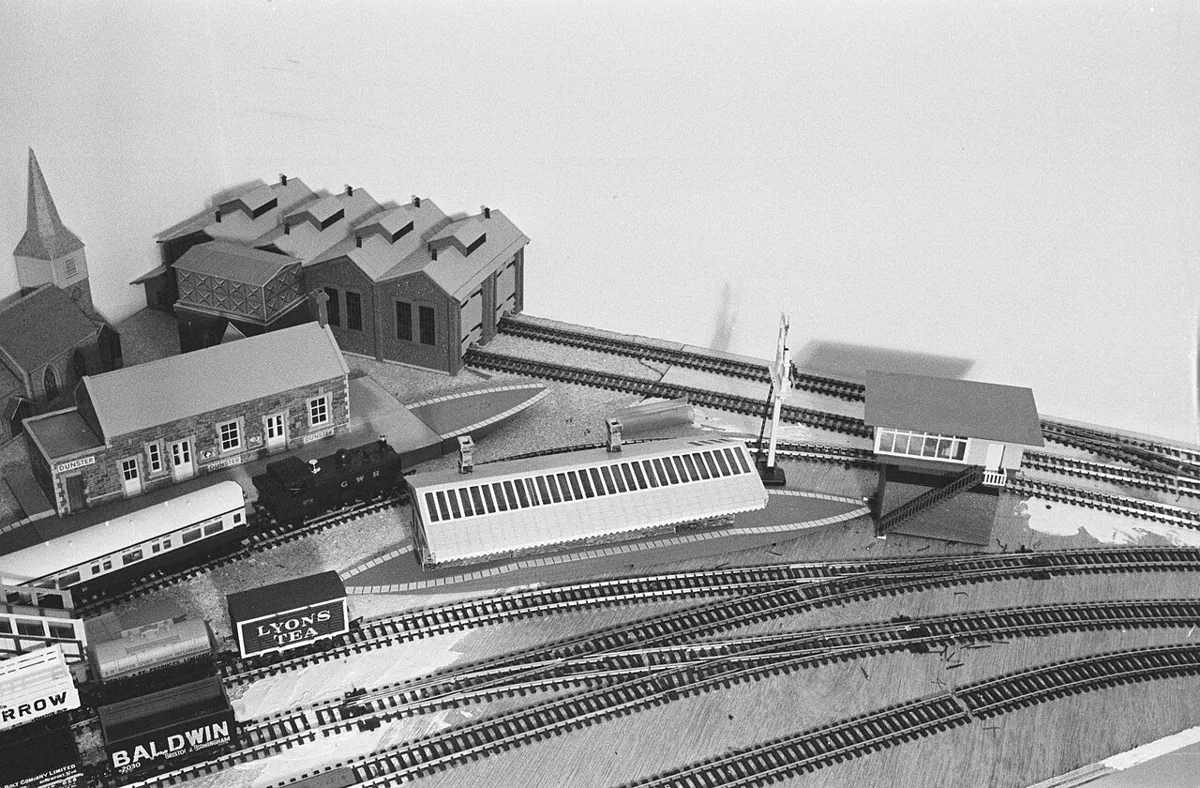
An archival railway photograph illustrates reference material that must remain linked to its record; no instruction sheet is depicted.

Keep the instructions with the story of the model

Club & Collection

Organise paper documentation without damaging it.

4 min read
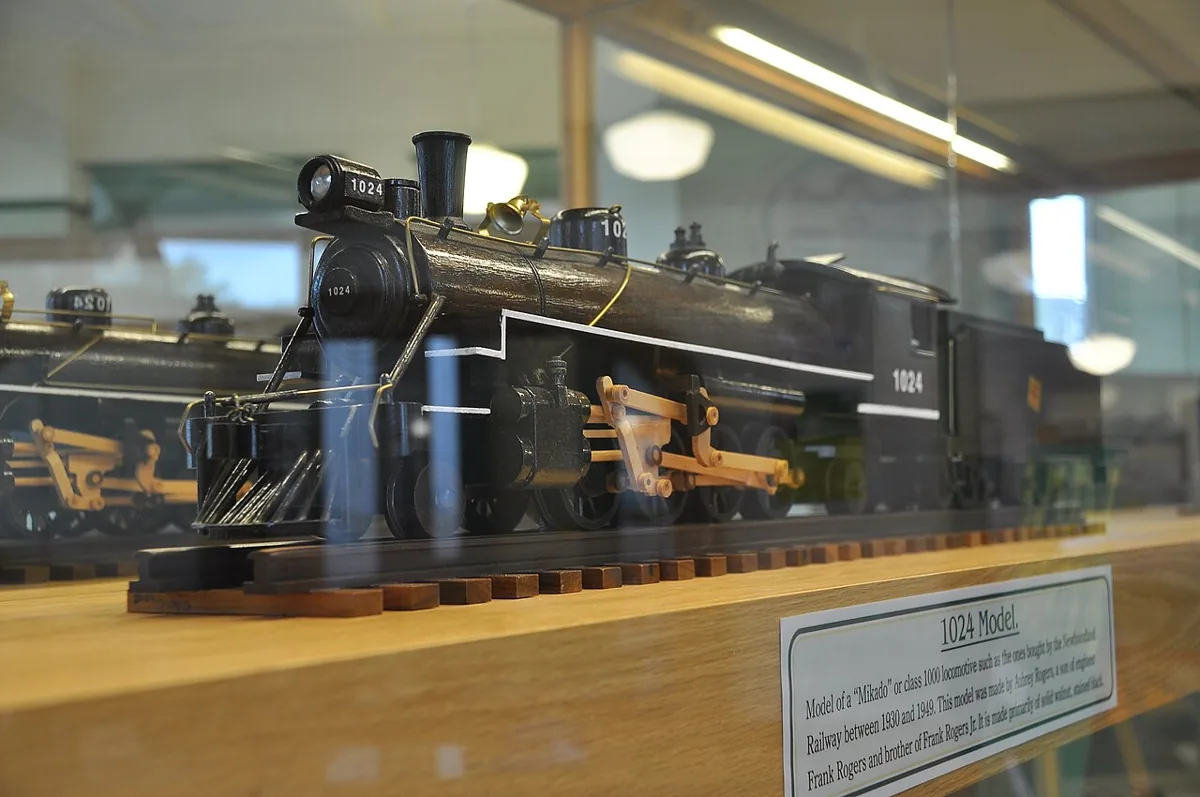
A museum locomotive model illustrates a complete-object documentation view.

Photograph a model so the record stays useful

Club & Collection

Create a consistent documentation image set.

4 min read
A model handled alongside printed material illustrates the connection between physical work and reference records.

Build a reference notebook without losing the source

Club & Collection

Track reference material and permissions.

4 min read
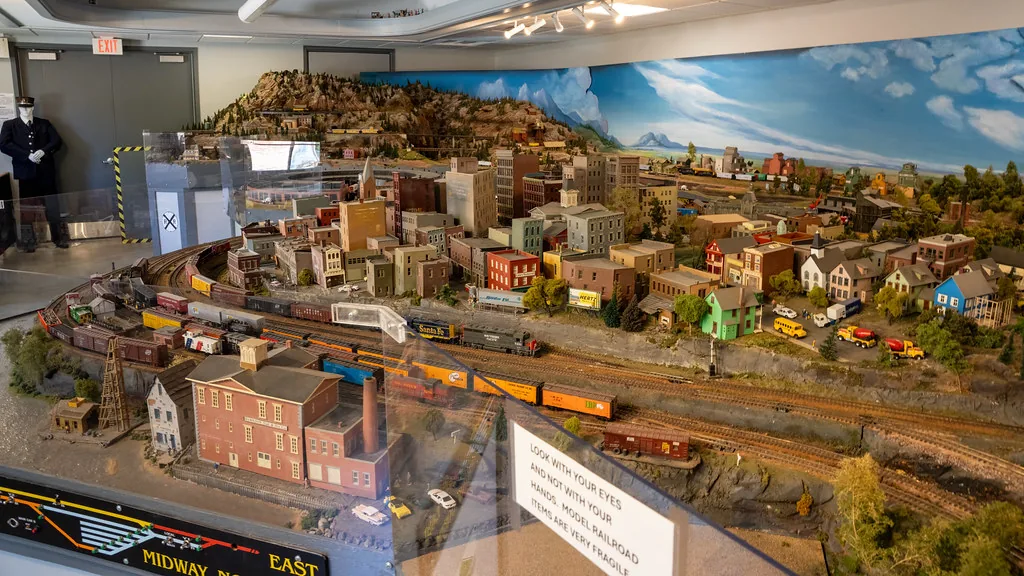
A broad model layout view illustrates the locations and relationships a handover map must explain.

Leave a layout someone else can understand

Club & Collection

Document a layout for another caretaker.

4 min read
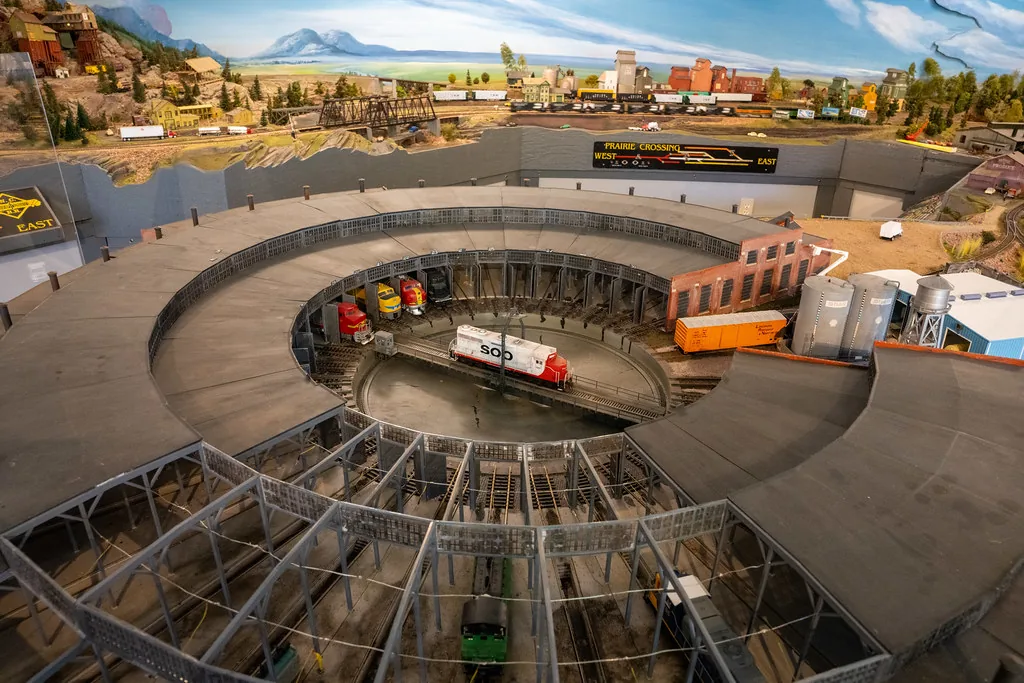
A model locomotive facility illustrates a place that can anchor a defined operating task.

Run a small operating session with a clear purpose

Club & Collection

Make an approachable first session.

4 min read