Leave a layout someone else can understand
Document a layout for another caretaker. A handover pack indexed by location, system and known issue.
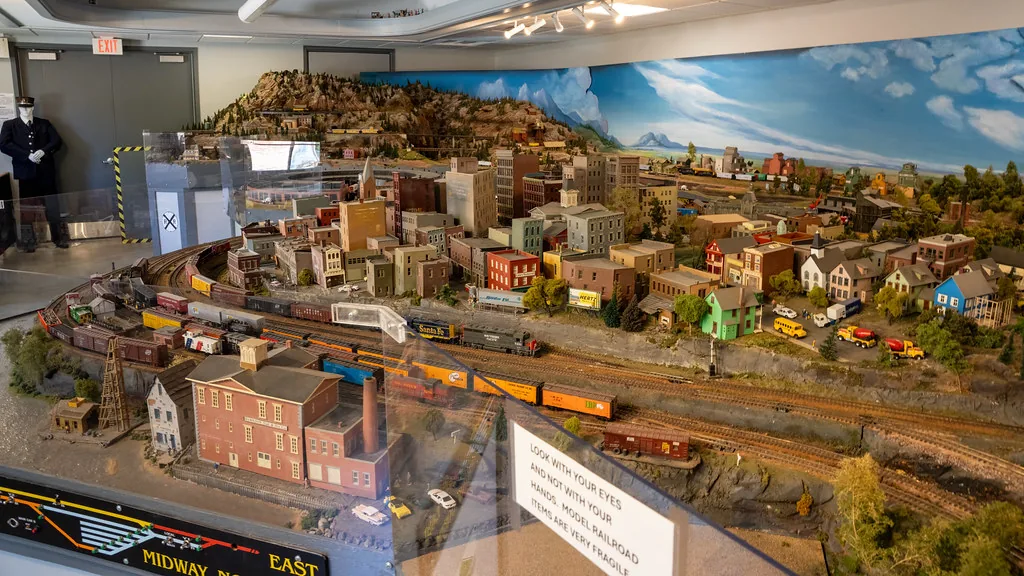
A layout can become difficult to maintain when its builder is the only person who understands it. A hidden access panel, a temporary connection or an unusual setup sequence may be obvious after years of use and completely invisible to someone taking over. A handover pack makes those private assumptions explicit while the person who knows them can still explain their meaning.
The NMRA benchwork, track and module guides illustrate the relationships among construction, connections and access. The pack proposed here organises those relationships for another caretaker. It is not an electrical certification, a structural assessment or a promise that written instructions can substitute for appropriate technical competence.
Define the handover's scope
State whether the pack covers ordinary operation, maintenance, transport or a transfer of the whole layout. Name the version or arrangement being documented and the date. A permanent home setup and an exhibition configuration may share scenery while using different assembly procedures.
Identify what is included: boards, support components, controls, vehicles, loose scenery and documents. Keep items belonging to other people or held on loan clearly distinguished. Do not let the word complete imply ownership or availability that has not been established. The first task is an accurate inventory of what the next caretaker will actually receive.
Draw a location map
Use understandable place names and identifiers for boards, track areas and important structures. Link those labels with photographs showing the actual layout. A schematic can explain relationships more clearly than a crowded photograph, but it should correspond with the installed arrangement.
Mark access points and removable sections. Show them both in position and removed where useful, and identify how they are handled according to the actual construction. A caretaker should not have to guess whether an apparently loose hill is designed to lift or has suffered damage. Keep the map accessible outside any container that requires the instructions to open.
Separate operating and technical records
Provide a concise ordinary-session guide using the controls and equipment actually present. Keep technical documentation, product manuals and diagrams in a separate indexed section. An operating label should not require a newcomer to interpret an unfamiliar wiring drawing before beginning a permitted task.
Conversely, do not use a friendly operating guide to conceal missing technical information. Identify work that requires suitable expertise and refer to the relevant current documentation. If a connection or component is uncertain, mark it as unresolved. The pack should prevent unsafe assumptions rather than giving confidence through a polished appearance alone.
Describe setup and pack-down
Write the sequence in the order it is actually performed. Identify dependencies, help required and temporary resting places for removed parts. Include photographs at the stages where an orientation or connection is easy to misunderstand. Avoid phrases such as connect normally when the normal method exists only in the builder's memory.
Keep the procedure specific to the current layout and its verified arrangement. A general modular standard does not establish every detail of your own section. Record approved variations and the source of the interface requirements. Retain a packing inventory so the last box can be checked without relying on whether the room looks empty.
Keep known issues visible
List current defects, provisional arrangements and observations awaiting investigation. Explain their effect on use and the next justified action. Separate an observed symptom from a suspected cause, and do not erase a problem simply because a workaround allows a session to continue.
Link repairs and modifications with dated records. Describe what was changed and the scope of any follow-up check. A statement that everything works is less useful than a bounded account of the routes, equipment and functions actually observed. Preserve old diagrams where they explain an alteration, clearly marking which version is current.
Index the materials and references
Identify relevant track products, components and scenic samples where known. Retain exact references rather than colour descriptions alone. Connect manuals, photographs, spare parts and source evidence with the same location or object identifiers used in the map.
Keep private information and third-party rights in mind when distributing the pack. Permission to consult a manual does not necessarily grant permission to publish it widely. Link to official documents or provide material within its actual terms. The handover should make evidence findable without inventing ownership of everything that informed the project.
Let another person try the pack
Where practical, ask an appropriate participant to follow a modest permitted procedure using the written guide. Observe where clarification is needed and revise the instructions. This is a useful usability check, not proof that every future caretaker can perform every task without training.
Finish with a clear index, current-version date and the location of backups. Update the pack when the layout changes instead of treating documentation as a one-time ceremony. A good handover preserves more than the railway's visible appearance. It preserves the relationships, limits and working knowledge that allow someone else to care for the small world responsibly.
Take it to the workbench
A field sheet for this article. Use your browser’s print command or copy the headings into your project notebook. Keep facts, observations and open questions distinct.
| Scope and current version | Your notes |
|---|---|
| Location and access map | Your notes |
| Operating and technical records | Your notes |
| Setup and packing sequence | Your notes |
| Known issues and document owner | Your notes |
A permitted handover task
Hypothetical worked example. The next caretaker locates removable hill H2 using the map, but the pack gives no resting place for it. Add that location before rehearsing removal. This usability finding says nothing about electrical certification or whether the caretaker is qualified for technical repairs.
This is an editorial exercise, not a report of a physical test.
Sources & further reading
- National Model Railroad Association — Building Benchwork
- National Model Railroad Association — Laying Track
- National Model Railroad Association — Introduction to Layout Modules
Sources support the factual background. Worksheets and hypothetical exercises are editorial proposals, not reports of tests performed by this publication. Consult the relevant current product documentation before applying product-specific advice.