Photograph a model so the record stays useful
Create a consistent documentation image set. A repeatable shot list and filenames for condition comparison.
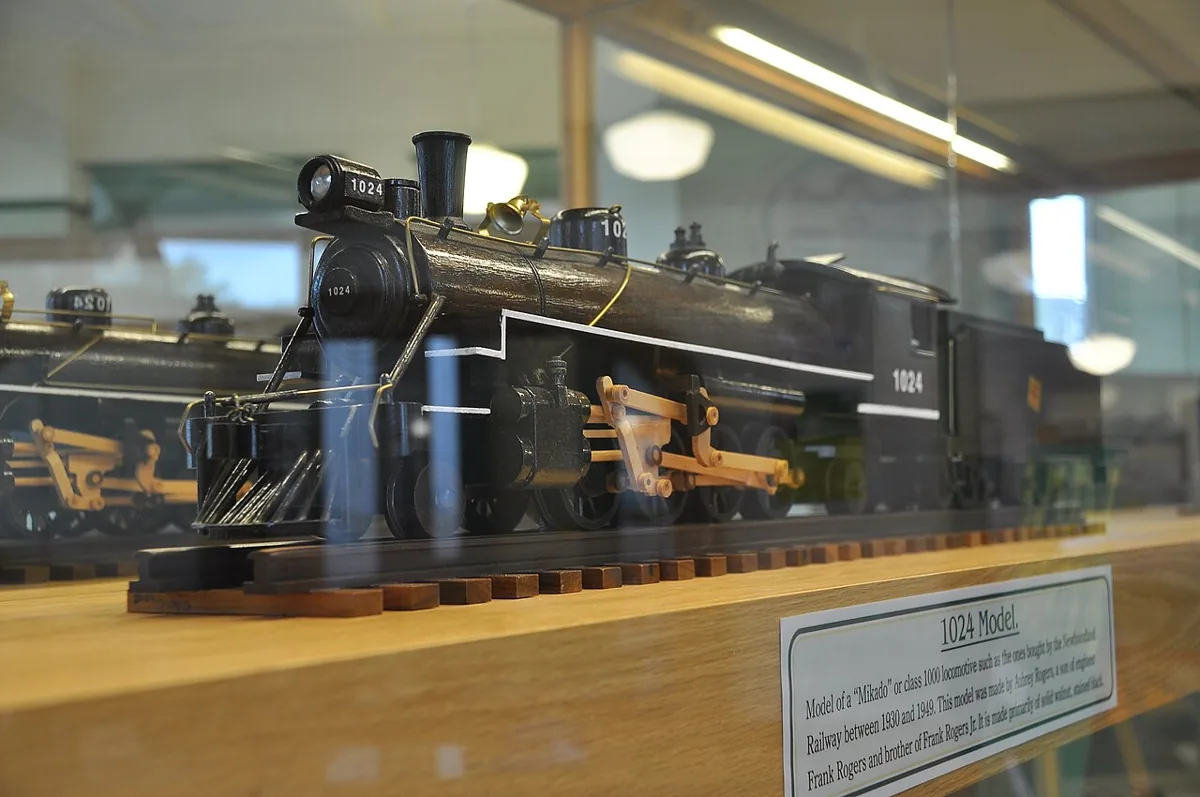
A photograph made to show off a model and a photograph made to document it can serve different purposes. Dramatic lighting may flatter a scene while hiding the detail needed for a later condition comparison. A useful record aims first for an identifiable object, repeatable views and files that remain connected with their meaning after the camera is put away.
Library of Congress guidance covers personal digital archiving and the care of photographic materials. The NMRA rolling-stock guide supplies context for the model features a caretaker may need to recognise. The shot-list method below is a practical documentation proposal, not a professional imaging specification or a claim about tests performed by this journal.
State the record's purpose
Decide whether you are documenting identity, visible condition, an alteration or a layout arrangement. One image may support several purposes, but the required detail differs. A general portrait is unlikely to explain a small coupling change without another view.
Write the collection or project identifier before taking photographs. Include the date and a brief description of the configuration. If an object has removable parts or alternative fittings, record which are present. This prevents a later viewer from mistaking a photograph of one configuration for evidence about the model in every possible arrangement.
Prepare a consistent view set
Begin with a whole-object view that makes the subject identifiable. Add sides and ends appropriate to the model, plus an upper view where it can be obtained without unsafe handling. For a specific finding, include both a contextual image and a closer view.
Use a simple orientation convention and explain it in the record. A filename saying left side is ambiguous if nobody knows which end defines the front. A labelled diagram or a consistent reference feature can solve the problem. Keep the convention stable so photographs taken months apart can be compared without guessing how the model was turned.
Control the obvious viewing differences
Use a suitable background, lighting and camera position that show the relevant features clearly. Record conditions that matter to comparison. You do not need to claim calibrated colour accuracy to make useful pictures, but avoid implying it when the equipment and method do not establish it.
Inspect reflections and shadows before relying on an image. A shiny surface can hide a mark in one view and exaggerate it in another. If a finding is important, take an additional informative angle rather than increasing contrast until the mark looks decisive. The photograph should preserve evidence, not manufacture a more persuasive version of it.
Handle the model appropriately
Follow the actual model's handling instructions and support needs. Do not lift delicate parts or turn an unfamiliar mechanism upside down merely to complete a predetermined shot list. Record an inaccessible view as not obtained where necessary.
A documentation session should not create a new condition problem. Clear the working area and keep loose components identified. If another person assists, agree on the action before moving the object. Advice for handling photographic prints does not automatically describe how to handle the model itself; the two materials have different requirements and should remain separate in the workflow.
Name files for later retrieval
Use a consistent filename containing the object identifier, date and view or issue code. Keep names readable and explain any abbreviations in a small index. Avoid names that depend on a temporary location such as new train on desk if that meaning will disappear next week.
Connect the image set with the catalogue or condition record. Include source information for any reference photograph made by someone else. Your own image of a model and a borrowed image of the prototype are different records, with different evidential and rights questions. They should not become indistinguishable files in a folder named references.
Preserve originals and explain changes
Retain original camera files and distinguish working copies that are cropped, resized or annotated. Record material edits when they affect interpretation. Do not remove a defect from a condition image or silently combine several views into what appears to be one documentary photograph.
Use the Library of Congress personal-archiving resources to plan organisation and accessible copies. Keep a backup arrangement you understand and verify that saved files can be opened. A collection of image files is not useful evidence if its identifiers, descriptions or software dependencies make it inaccessible to the next caretaker.
Compare without overclaiming
When a later image is added, match the earlier view as closely as practical and note remaining differences. Separate visible change from uncertainty caused by lighting, angle or focus. Where the image cannot settle the issue, inspect the object appropriately rather than forcing a conclusion from pixels alone.
The final record should tell a future reader what was photographed, when, in which configuration and for what purpose. It need not be a beautiful product photograph to be valuable. Its strength lies in a repeatable relationship between the object, the view and the information that keeps the image understandable over time.
Take it to the workbench
A field sheet for this article. Use your browser’s print command or copy the headings into your project notebook. Keep facts, observations and open questions distinct.
| Object, date and purpose | Your notes |
|---|---|
| Configuration and orientation | Your notes |
| Whole-object view set | Your notes |
| Detail and context views | Your notes |
| Original files and index | Your notes |
A filename with meaning
Hypothetical worked example. MY014_2026-10-27_endA_original identifies the object, date and defined view. An annotated copy keeps a separate name and links to that original. The label makes retrieval possible but does not itself prove the camera colour was calibrated.
This is an editorial exercise, not a report of a physical test.
Sources & further reading
- Library of Congress — Care, Handling, and Storage of Photographs
- Library of Congress — Personal Archiving
- National Model Railroad Association — Motive Power & Rolling Stock
Sources support the factual background. Worksheets and hypothetical exercises are editorial proposals, not reports of tests performed by this publication. Consult the relevant current product documentation before applying product-specific advice.