Keep a condition record for each model
Separate known defects from later changes. A repeatable condition record with photographs and dated observations.
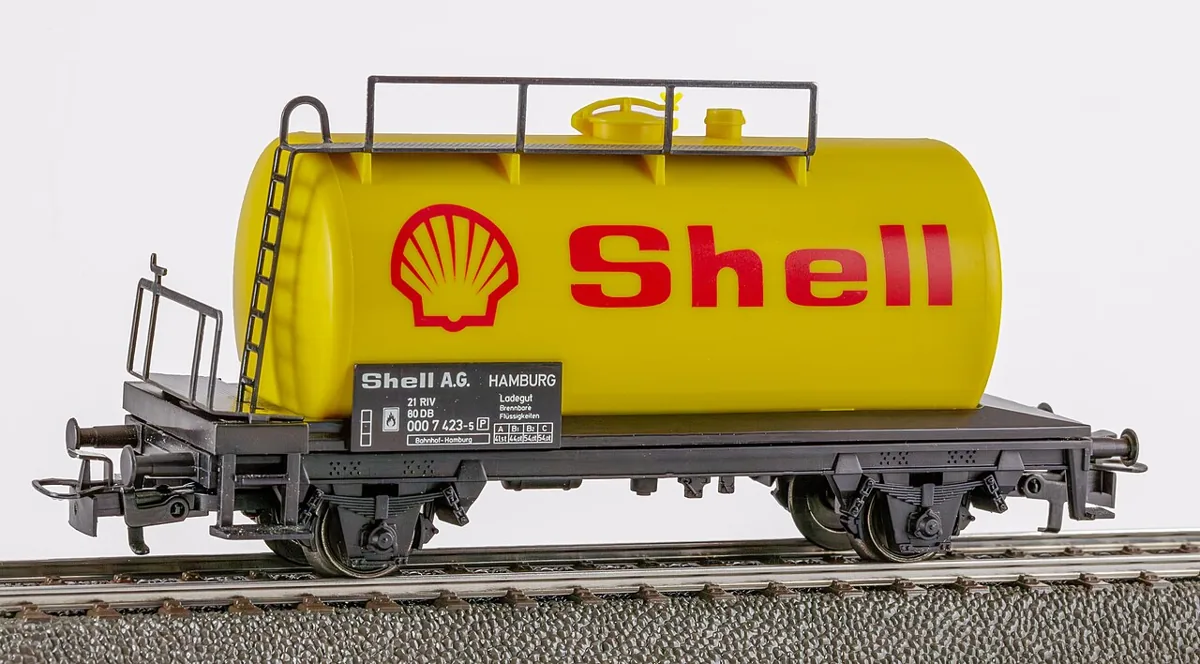
A missing step or bent detail can become a mystery if nobody knows whether it was present before the last journey. A condition record gives a model a baseline and preserves later observations without turning every mark into an accusation or a diagnosis. It is useful for personal collections, shared club equipment and models passed to another caretaker.
The NMRA rolling-stock guide identifies running gear and couplings among the areas relevant to maintenance. Library of Congress guidance distinguishes the care needs of paper and photographic records. The record proposed here uses those references as background while keeping visual condition, documented specification and operating observations separate.
Start with a stable identifier
Give the object an identifier that does not depend solely on its road number or paint scheme. Several models can share those features, and a model may be repainted. Record the manufacturer and product reference where known, along with the collection location and related packaging.
Do not write an identifier directly on a delicate finish merely to make the paperwork tidy. Choose a suitable way to associate the record with the object or its storage. Keep any uncertain identification explicitly provisional. A confident but mistaken product name can mislead maintenance just as easily as a missing note.
Describe the scope of the examination
Record the date, the model's configuration and the surfaces you could inspect without inappropriate handling. Say whether the observation was external only, whether packaging remained unopened or whether a particular area was obscured. A record of visible condition should not imply an internal inspection that never happened.
Use neutral language for findings. Describe a loose component or an area of missing finish rather than immediately identifying a cause. Keep pre-existing notes from a seller or donor separate from your own examination. Their account may be useful, but it should retain its source instead of becoming an observation you appear to have made.
Make a repeatable photograph set
Photograph a whole view first so details can be located. Add the sides, ends and relevant upper view where they can be obtained without risking the model. Include close views of a specific issue and connect each image with the collection identifier and date.
Use comparable framing and lighting for later examinations where practical. A darker photograph can make an unchanged mark appear different, so preserve the viewing conditions as part of the record. Do not use automatic enhancement to present a more dramatic before-and-after comparison. Keep original image files and distinguish them from annotated working copies.
Locate findings precisely
Create a simple location reference such as left side viewed from a named end, or a labelled diagram of the model. Describe the position of each finding consistently. A note saying “small scratch on side” is less useful than a description tied to an identifiable panel or opening.
Avoid invented measurement precision. If a mark is only approximately observed, state that. When a measured dimension matters, identify the method and appropriate reference. The purpose is to make a later comparison possible, not to imitate a conservation report with numbers that were never reliably established.
Keep operation in a separate section
A model can look intact while having an operating issue, or show a cosmetic defect while completing its intended movement. Record any actual operating check with the track, control arrangement and task involved. Mark unperformed checks as not checked.
The NMRA guide provides maintenance context, but it does not establish that every model should be dismantled or adjusted during documentation. Follow the relevant instructions and seek suitable assistance for delicate work. A condition record is often valuable precisely because it preserves evidence before any intervention changes what can be observed.
Append changes rather than erasing them
When a repair, modification or new finding occurs, add a dated entry. Describe the action, the parts or instructions involved and any follow-up observation. Keep the earlier baseline. Replacing it with a clean current description removes the history that explains how the model reached its present state.
Connect removed components and spare parts with the same identifier where appropriate. If a model changes storage location, update that separately from condition. A later caretaker should be able to tell whether a missing item is a recorded removal, a packing omission or a newly discovered issue.
Preserve the record itself
Follow suitable format-specific guidance for paper and photographs rather than treating all archival materials alike. The Library of Congress stresses careful handling and appropriate enclosures. Keep working annotations separate from original reference items and retain accessible digital copies where useful.
Finish each entry with the actual finding, any restriction on use and the next justified action. No action may be needed for a stable cosmetic mark. The record succeeds when it supports a proportionate decision and makes the object's known history available, rather than giving an unsupported promise about its age, value or future reliability.
Take it to the workbench
A field sheet for this article. Use your browser’s print command or copy the headings into your project notebook. Keep facts, observations and open questions distinct.
| Collection identifier | Your notes |
|---|---|
| Examination scope | Your notes |
| Located visible finding | Your notes |
| Photograph references | Your notes |
| Dated intervention or next action | Your notes |
A baseline entry
Hypothetical worked example. Object MY-014 has a detached step in the unopened accessory tray. Record its location and whether instructions identify it as a part to fit. Do not call it transport damage before checking; photograph the arrangement and leave operation as not checked.
This is an editorial exercise, not a report of a physical test.
Sources & further reading
- National Model Railroad Association — Motive Power & Rolling Stock
- Library of Congress — Care, Handling, and Storage of Photographs
- Library of Congress — Care, Handling, and Storage of Works on Paper
Sources support the factual background. Worksheets and hypothetical exercises are editorial proposals, not reports of tests performed by this publication. Consult the relevant current product documentation before applying product-specific advice.