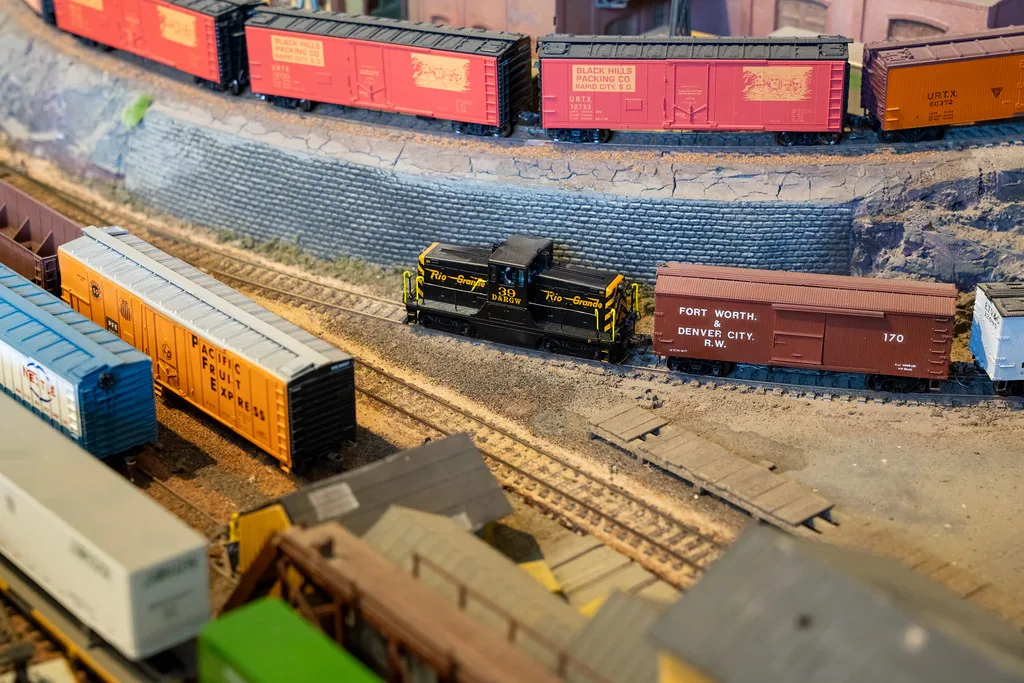
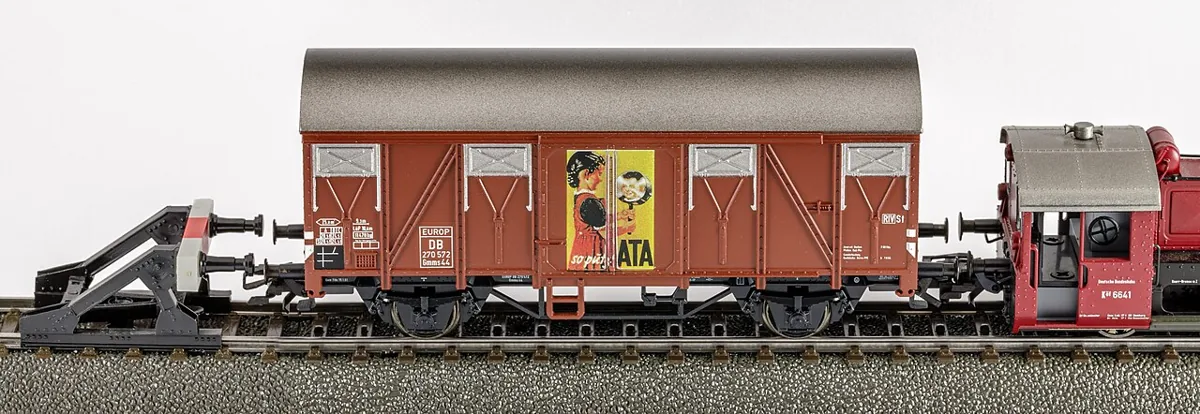
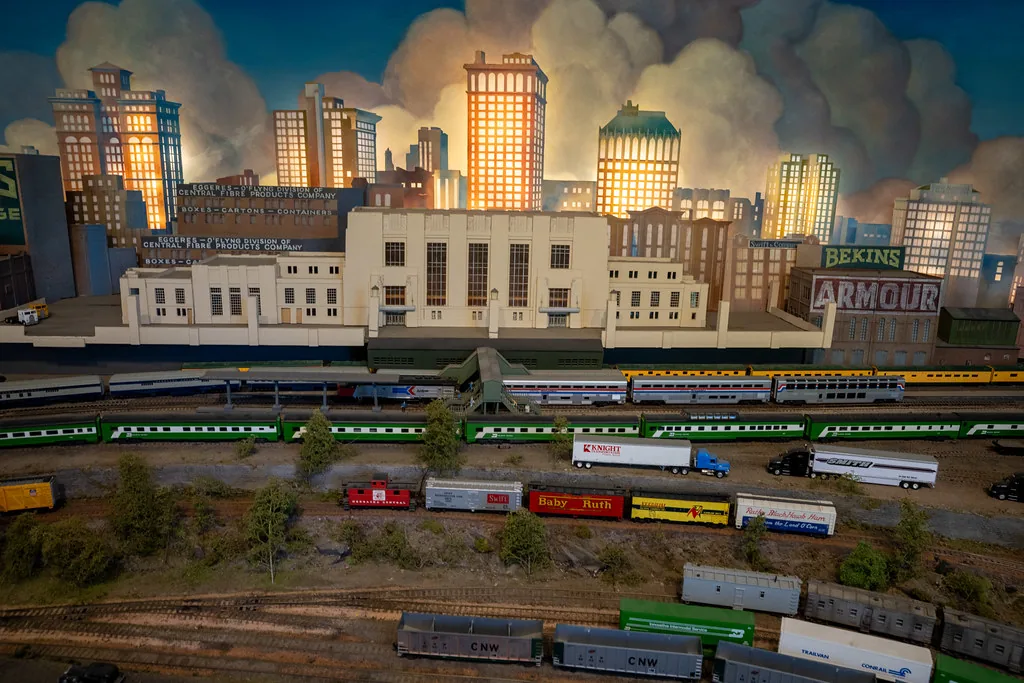
Learn to read a railway vehicle as a model
Observe function before adding detail. An annotated observation sheet separating visible evidence from inference.
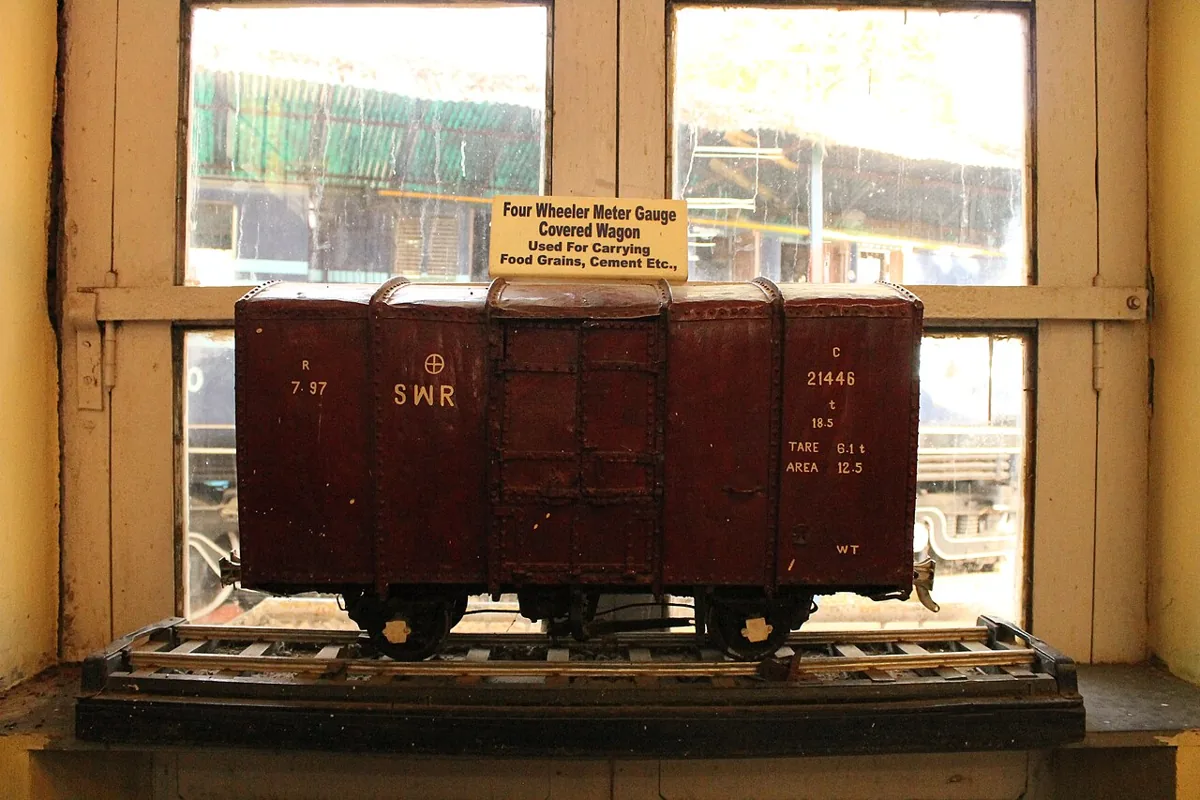
A railway vehicle offers more information than a name and a paint scheme. Its openings, body shape, running gear and signs of use can suggest what work it was designed to perform. Learning to observe those features makes modelling decisions more deliberate, especially when a photograph is the starting point for a collection or scene.
The NMRA rolling-stock guide relates vehicle choice to railway purpose, era and location. Its structures guide connects railway buildings with the activities around them, while the glossary helps identify unfamiliar terms. An observation sheet can turn that vocabulary into a record of evidence without pretending every visible detail reveals a certain historical fact.
Record the image before interpreting it
Write down the source, title or identifier, credited creator, stated date and location where available. Keep a link to the original record rather than only the downloaded image. If the source does not provide a date or location, leave those fields unresolved.
Separate the date of the photograph from the date of a scanned copy or upload. A modern digital file can depict a much older scene. Likewise, a caption may describe a general subject without establishing the identity of every vehicle visible. Your first task is to preserve what the source actually says, not to complete a satisfying story from missing information.
Describe what is plainly visible
Use a second section for observations that another reader could locate in the image. Record the arrangement of windows and doors, broad body form, visible loading openings, running-gear layout and any legible markings. Describe the view and note what is hidden.
Avoid interpreting an obscured feature as absent. One side of a vehicle may reveal information not visible from the other, and a shadow can hide a small opening. If a marking is only partly readable, transcribe the visible portion rather than filling in the rest from expectation. This disciplined description gives later research a reliable starting point.
Ask what the features might do
Now write possible functions beside the observations. A large side opening might relate to loading, but identifying the exact use requires further evidence. Link each interpretation to the feature that prompted it and give it a confidence label such as documented, plausible or unresolved.
The NMRA guide's range of freight and passenger equipment is useful background, not a license to classify every unfamiliar vehicle by silhouette alone. Seek a reliable record, drawing or specialist source for the exact type when that identification matters. A proposed interpretation remains useful if it is clearly distinguished from an established description.
Connect the vehicle with its surroundings
Look beyond the body. A loading platform, goods shed, crane or passenger facility can clarify the activity being depicted. The structures guide explains how railway-related buildings provide places for work and customers. These relationships are often more useful for a model scene than adding isolated decorative detail.
Write a short activity statement: what seems to be arriving, waiting, loading or departing? State whether the source supports that action or whether it is your proposed fictional use of a similar arrangement. A single still photograph does not necessarily show a whole operating sequence. Keep the scene interpretation proportionate to the evidence.
Compare the model with the evidence
If you own a corresponding model, compare observable features rather than assuming its commercial title guarantees exact correspondence. Note its stated scale, product reference and any documented variations. Identify simplifications or differences only where the view and information allow a fair comparison.
Do not infer poor quality from every discrepancy. A model may represent a different version, a different date or a deliberate compromise. Investigate the explanation before modifying it. The observation sheet should help you decide what needs research, what matters to your scene and what can be left as an acknowledged approximation.
Choose detail by purpose
Decide which visible relationships are essential to the model's role. For a distant freight scene, body form and its relationship to the loading point may communicate more than a tiny fitting. For a display model, a documented distinctive feature may deserve closer attention.
Create a short priority list tied to the intended viewing distance and available evidence. Keep conjectural additions off the permanent-work list until their basis is understood. This prevents a detailed but unsupported reconstruction from being mistaken for a careful interpretation. More parts do not automatically produce a more truthful model.
Keep the observation separate from the conclusion
Retain the source record, visible-feature notes, interpretations and modelling decisions as four distinct sections. Add new evidence without rewriting the original observation to make the final conclusion look inevitable. If an identification changes, preserve why it changed.
The completed sheet should leave you with a clearer question or a justified modelling choice. It need not resolve every feature in the photograph. Reading a vehicle well means noticing the boundary between what you can see, what a trustworthy record establishes and what you are choosing to imagine in your own miniature railway.
Take it to the workbench
A field sheet for this article. Use your browser’s print command or copy the headings into your project notebook. Keep facts, observations and open questions distinct.
| Source identity and dates | Your notes |
|---|---|
| Visible feature | Your notes |
| Possible function | Your notes |
| Evidence confidence | Your notes |
| Modelling choice | Your notes |
Visible versus inferred
Hypothetical worked example. The photograph shows a broad side door and an unreadable marking. Record the door as visible and its exact cargo role as unresolved. A fictional loading scene may use the relationship, but must not identify a historical vehicle type from that silhouette alone.
This is an editorial exercise, not a report of a physical test.
Sources & further reading
- National Model Railroad Association — Motive Power & Rolling Stock
- National Model Railroad Association — Structures
- National Model Railroad Association — Beginner's Glossary
Sources support the factual background. Worksheets and hypothetical exercises are editorial proposals, not reports of tests performed by this publication. Consult the relevant current product documentation before applying product-specific advice.